cGMP for Supplements: A Plain-English Guide to 21 CFR Part 111
21 CFR Part 111 is the federal rulebook for how supplements are made, tested, packaged, and held. Here is what it requires, section by section, and what buyers should ask suppliers.
When a supplier says its products are made under cGMP, a buyer should know exactly what that phrase covers. For cGMP supplements in the United States, the governing rule is 21 CFR Part 111, FDA's Current Good Manufacturing Practice regulation for dietary supplements. It sets out how products must be manufactured, packaged, labeled, and held so that each batch has the identity, purity, strength, and composition it claims.
This guide walks through what the rule requires in plain English, who it applies to, and how to tell whether a supplier is actually GMP compliant or just using the term.
The Background of 21 CFR 111 Dietary Supplement cGMP
DSHEA gave FDA the authority to write supplement-specific manufacturing rules in 1994, but the final rule was not published until June 2007. Compliance was phased in by company size, with the largest firms first and the smallest firms, those with fewer than 20 employees, required to comply by June 2010. Before Part 111, supplements were generally made under the conventional food GMPs, which did not address issues like identity testing of botanical ingredients or batch-level potency.
The rule is built around one idea: quality has to be designed into the process and documented at every step, not tested in at the end.
Who Has to Follow cGMP for Dietary Supplements
Part 111 applies to anyone who manufactures, packages, labels, or holds dietary supplements, including firms that do only one of those activities. A company that only warehouses and distributes finished supplements is still subject to the holding and distribution requirements. FDA has also made clear, through warning letters and guidance, that a brand owner who contracts out manufacturing remains responsible for ensuring its products are made in compliance, even if it never touches the product.
For private-label and distribution relationships, this means everyone in the chain has a role, and a buyer should know who is responsible for what.
E-commerce sellers are not exempt from this logic. If your company name appears on the label as the distributor, FDA may look to you when something goes wrong, whether the issue started at the ingredient supplier, the manufacturer, or the warehouse. That is a good reason to keep copies of your supplier's certifications, specifications, and lot documentation on file rather than assuming they exist somewhere upstream. It also helps to agree in writing on who handles complaints, adverse event reports, and recall decisions before the first order ships.
What the Rule Requires for cGMP Supplements
Part 111 is organized into subparts. The table below summarizes the most important ones in practical terms.
| Subpart | Topic | What it means in practice |
|---|---|---|
| B | Personnel | Qualified, trained staff; hygiene and illness controls; defined quality control personnel |
| C and D | Plant, grounds, equipment | Sanitary facilities, pest control, calibrated and cleaned equipment |
| E | Production and process control | Written specifications for components, in-process steps, and finished product |
| F | Quality control | A quality unit that reviews and approves specs, records, and release decisions |
| G | Components, packaging, labels | Receiving, identity testing of dietary ingredients, quarantine until released |
| H and I | Master and batch records | A master manufacturing record for each formula and a batch record for each batch |
| J | Laboratory operations | Scientifically valid test methods and documented lab controls |
| K and L | Manufacturing, packaging, labeling | Controls to prevent mix-ups and contamination; label reconciliation |
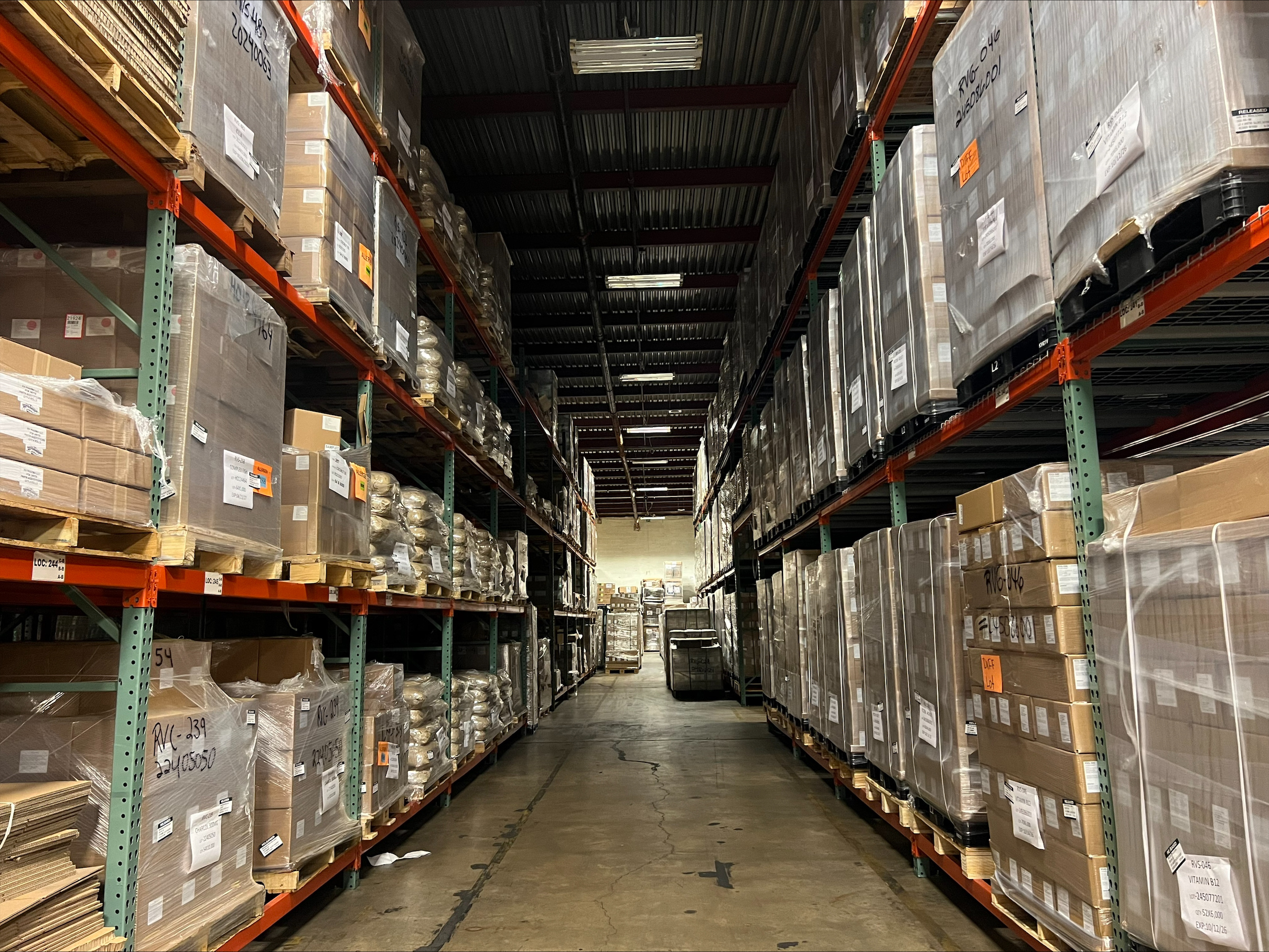
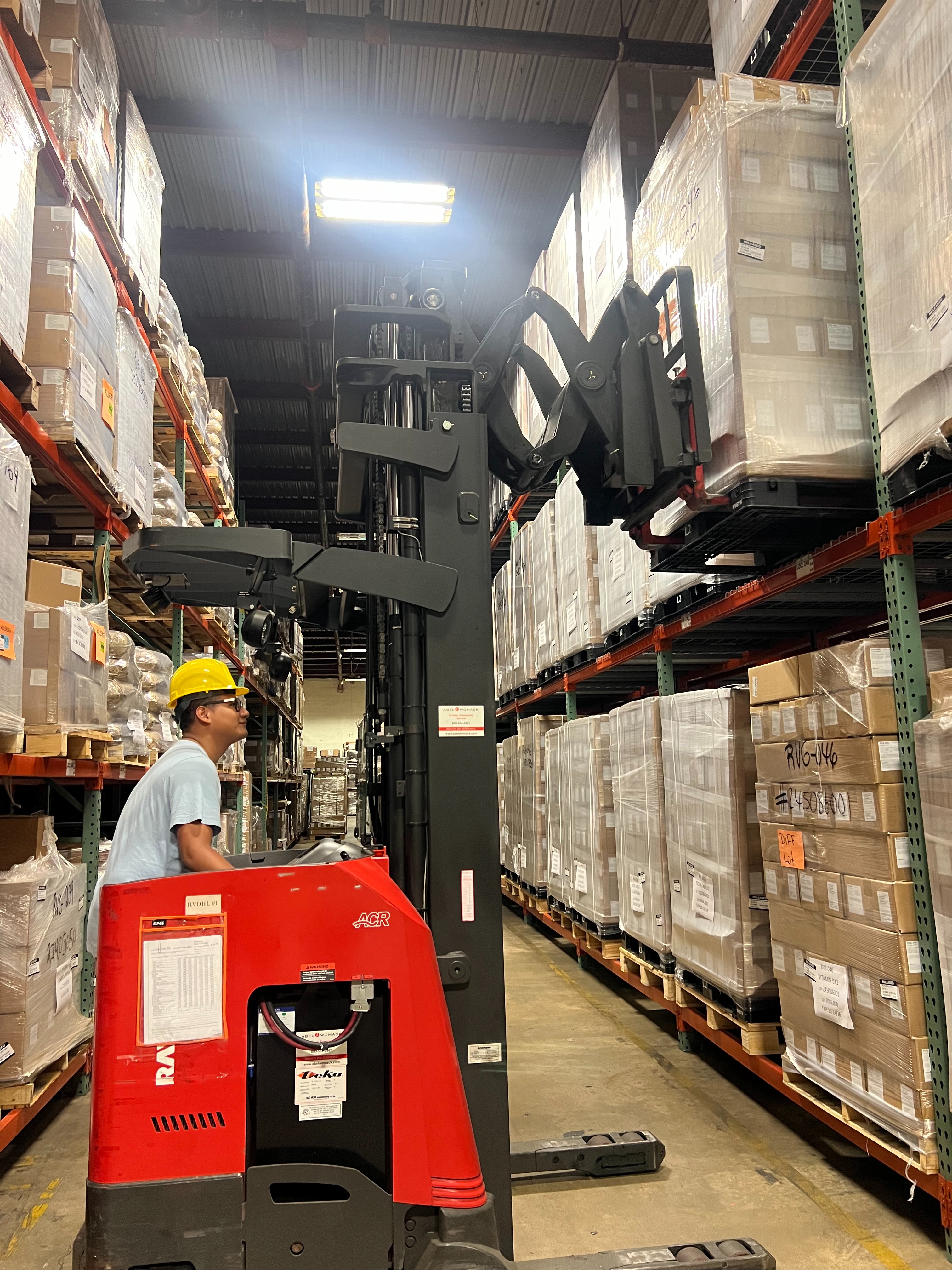
| M | Holding and distributing | Storage conditions that protect identity, purity, strength, and composition |
| N and O | Returns and complaints | Investigation of returned product and product complaints |
| P | Records | Retention and availability of required records |
Specifications and testing
The heart of the rule is the requirement to set specifications and verify them. Manufacturers must establish specifications for each component, for in-process controls, and for the finished batch, covering identity, purity, strength, composition, and limits on contaminants. For every dietary ingredient, the manufacturer must conduct at least one appropriate test or examination to verify identity before use, unless FDA has granted an exemption. For other components, a supplier's certificate of analysis can be relied on only if the supplier has been qualified, including by confirming the results through the manufacturer's own testing.
For finished batches, the manufacturer must verify that specifications are met. The rule allows a scientifically valid sampling approach, so not every specification must be tested on every batch, but the plan has to be justified and documented.
Records
Each formula needs a master manufacturing record, and each batch needs a batch production record documenting what was actually done, by whom, and with which lots of components. Records generally must be kept for one year past the product's shelf-life date, or two years beyond distribution of the last batch if no shelf-life date is used. These records are what make lot-level traceability possible when a question or recall arises.
Expiration dating
Part 111 does not require an expiration date. But if a company puts one on the label, FDA expects it to be supported by data, typically from stability testing. Buyers should treat an unsupported date as a quality concern.
cGMP is less about the equipment in the room and more about whether every decision is written down, justified, and checked by someone else.
How to Verify GMP Compliant Supplements
FDA does not certify manufacturers as GMP compliant, and there is no government seal. Verification comes from a combination of documents and independent audits. Useful steps include:
- Ask whether the manufacturing facility holds a third-party GMP certification, such as an audit to NSF/ANSI 455-2, and request the current certificate. Our NSF/ANSI 455-2 explainer covers what that audit examines.
- Ask about the most recent FDA inspection and whether it resulted in a Form 483 or warning letter.
- Request a lot-specific certificate of analysis and compare it to the label. Our guide on how to read a certificate of analysis explains what to look for.
- Confirm lot and expiration coding on units and cases, which shows batch records can be traced to the product in hand.
- Ask how complaints and adverse event reports are handled and who owns that process.
Common Gaps Buyers Should Watch For
In FDA warning letters to supplement firms, a few issues come up again and again. Firms fail to establish finished product specifications, skip identity testing on dietary ingredients, rely on supplier COAs without qualifying the supplier, or lack complete batch records. Brand owners that outsource production sometimes have no documentation showing they verified their contract manufacturer. Any of these should prompt follow-up questions before you commit to a supplier.
RV Pharma's supplements are cGMP compliant, NSF/ANSI 455-2, third-party tested, and FDA registered, and every lot ships with lot and expiration coding on bottle and case. Lot-specific COAs are available on request, and a redacted sample is on our Buyer Resources page.
Frequently asked questions
What is 21 CFR Part 111?
21 CFR Part 111 is FDA's Current Good Manufacturing Practice regulation for dietary supplements. Published in 2007, it sets requirements for personnel, facilities, equipment, specifications, identity testing, quality control, batch records, packaging, labeling, holding, distribution, complaints, and recordkeeping, so that supplements consistently meet their identity, purity, strength, and composition.
Does FDA certify supplement manufacturers as GMP compliant?
No. FDA inspects facilities and enforces 21 CFR Part 111, but it does not issue GMP certificates. When a manufacturer says it is GMP certified, that typically refers to an audit by an independent certification body against a standard such as NSF/ANSI 455-2. Buyers should ask for the certificate and audit date.
Do supplement distributors have to follow cGMP?
Yes, for the activities they perform. Companies that hold and distribute dietary supplements are subject to the holding and distribution requirements of 21 CFR Part 111, including storage conditions and records. Brand owners that contract out manufacturing remain responsible for ensuring their products are made in compliance with cGMP.
Does cGMP require identity testing of supplement ingredients?
Yes. Under 21 CFR Part 111, manufacturers must conduct at least one appropriate test or examination to verify the identity of every dietary ingredient before using it, unless FDA has granted an exemption. Other components may be released based on a qualified supplier's certificate of analysis.
Sourcing a program in this category? A distribution specialist can walk through formats, MOQs, and lead times with you.
Request Wholesale Pricing