Immune Support Supplements Wholesale: Elderberry, Vitamin C, and Zinc
Immune support is the biggest seasonal swing in supplements. Here is how buyers can spec elderberry, vitamin C, zinc, and vitamin D products, choose formats, time orders, and keep claims compliant.
Immune support supplements wholesale demand follows the weather more closely than any other category. Orders build in late summer, shelves empty in the coldest months, and demand slides by spring. Within that cycle sit four core ingredients (elderberry, vitamin C, zinc, and vitamin D) plus a growing list of blends, in formats ranging from gummies and lozenges to effervescent powders and stick packs.
This guide covers how to specify and compare the core ingredients, which formats fit which shoppers, how to time orders, and the claim rules that matter more in immune than almost anywhere else.
The core immune ingredients
| Ingredient | Common formats | What to compare |
|---|---|---|
| Elderberry (Sambucus nigra) | Gummies, syrups and liquids, lozenges, capsules | Extract type and amount, standardization, sugar content |
| Vitamin C | Tablets, capsules, gummies, powders and stick packs, chewables | Milligrams per serving, form (ascorbic acid, buffered), serving count |
| Zinc | Lozenges, capsules, tablets, gummies | Elemental zinc per serving, form (gluconate, citrate, acetate, picolinate) |
| Vitamin D | Softgels, gummies, tablets, liquids | IU or mcg per serving, D3 vs. D2 |
| Blends | Gummies, powders, stick packs | Actual amounts of each ingredient vs. trace inclusion |
Blends that combine vitamin C, zinc, vitamin D, and elderberry are popular because they simplify the shopper's decision. The catch is that some blends include meaningful amounts of one ingredient and token amounts of the rest. Compare the Supplement Facts panel, not the front label.
Elderberry gummies wholesale
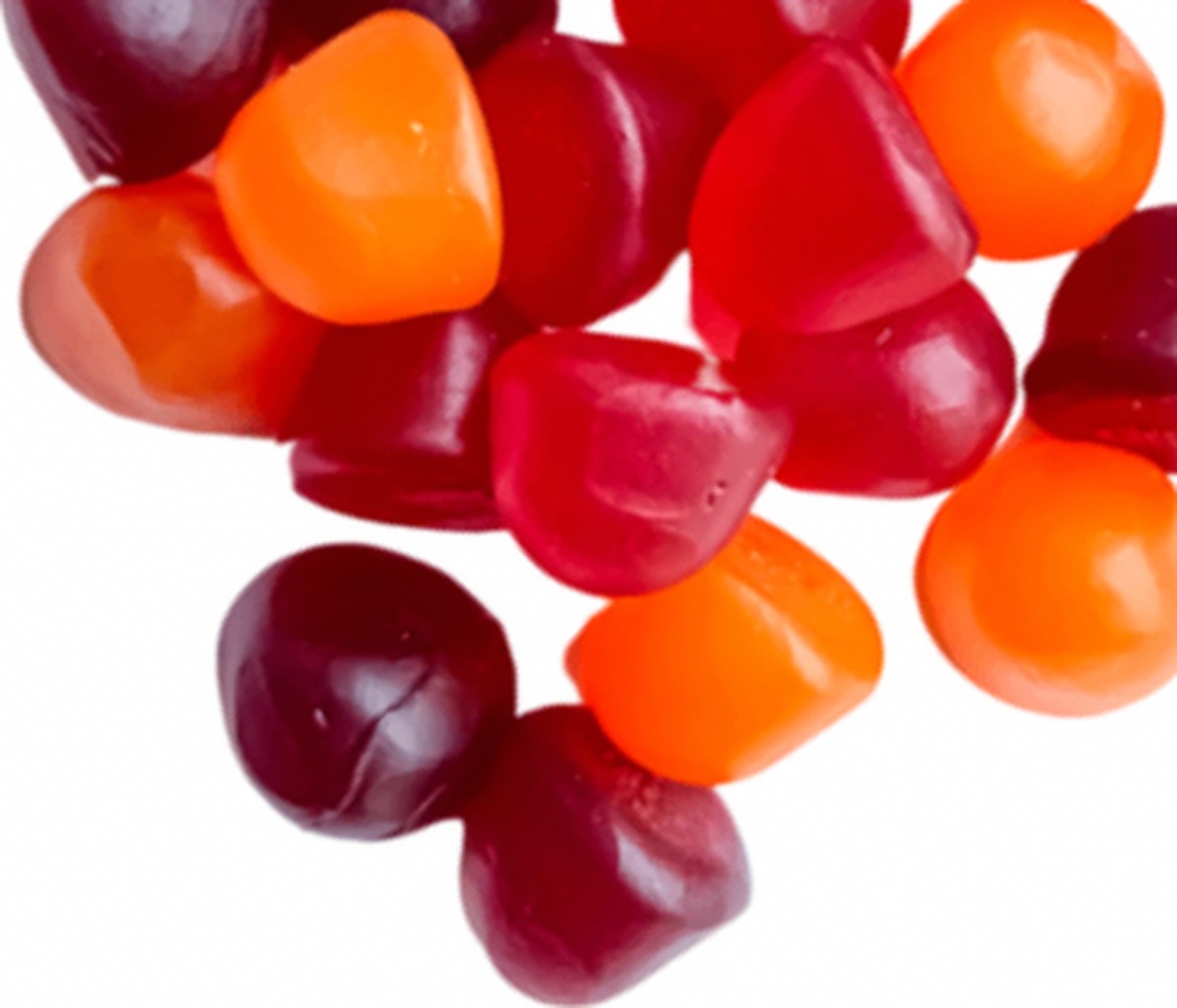
Elderberry is the flagship botanical in the category, and gummies are its fastest-growing format. When buying elderberry gummies wholesale, check:
- Extract specification. Products vary between elderberry fruit extract at a stated ratio, extracts standardized to anthocyanins, and simple fruit powder. The label should make the extract type and amount per serving clear.
- Processing. Raw or unripe elderberries and other parts of the plant contain compounds that can cause illness, so elderberry ingredients should come from properly processed fruit extracts with supplier documentation.
- Sugar. Elderberry gummies and syrups can carry significant sugar. A sugar-free option broadens reach.
- Children's products. Kids' elderberry gummies are a large segment. They need age-appropriate serving directions and should be kept out of reach of children like any gummy supplement.
Elderberry liquids and syrups also remain popular, particularly for families, though they bring heavier shipping weight and more sensitive storage. Browse stock gummy formats for current elderberry and immune options.
Vitamin C wholesale and zinc: specs that matter
Vitamin C is the highest-volume immune ingredient. When buying vitamin C wholesale, compare milligrams per serving, form, and format. Common serving amounts range widely, from roughly the Daily Value up to 1,000 mg or more. The tolerable upper intake level for adults is 2,000 mg per day from all sources, and high intakes can cause digestive upset, so very high-dose products should carry sensible directions. Buffered forms are sometimes preferred by shoppers who find ascorbic acid harsh.
Zinc labeling should state elemental zinc, since zinc gluconate, citrate, and other forms contain different proportions of zinc by weight. The tolerable upper intake level for adults is 40 mg per day from all sources, and long-term high intake can interfere with copper status. Zinc lozenges are a classic seasonal format; they need careful flavor work because zinc can taste metallic and astringent.
Vitamin D rounds out the set and has a year-round baseline, with a winter lift. Most retail products use D3. Watch the amounts: the adult upper limit is 4,000 IU (100 mcg) per day from all sources, and higher-potency products should carry clear directions.
Formats and the immune shopper
Immune shoppers range from parents buying kids' gummies to adults grabbing lozenges at a pharmacy counter. Format choice shapes who you reach:
- Gummies: broadest appeal, strong for kids and adults, but limited room for high doses and sensitive to heat.
- Lozenges: strong at the point of sale and for on-the-go use; a natural fit for zinc and elderberry.
- Stick packs and effervescent powders: high-dose vitamin C and blends, easy to carry and good for travel.
- Capsules and tablets: best value for high-dose vitamin C and zinc; appeal to routine supplement users.
- Softgels: the natural fit for vitamin D.
For more on lozenges and chews, see our overview of niche formats.
Immune support supplements wholesale: claims and compliance
Immune products draw more regulatory attention than most categories. During recent respiratory illness seasons, FDA and the FTC sent many warning letters to companies whose supplements claimed to prevent or treat viral infections. The rules are straightforward: dietary supplements may say they support normal immune function, paired with the FDA disclaimer. They may not claim to prevent, treat, shorten, or cure colds, flu, or any other infection or disease.
- Acceptable: 'supports immune function,' 'supports the body's natural defenses,' 'antioxidant support.'
- Not acceptable: 'prevents colds,' 'fights the flu,' 'shortens illness,' 'antiviral.'
- Retailer listings, social posts, and influencer content are held to the same standard.
- Structure/function claims still need substantiation under FTC standards.
In immune support, the product that says the least on the front panel is often the one that stays on the shelf the longest.
Timing and inventory
Immune demand typically builds in September, peaks between November and February, and fades by spring, with a severe cold and flu season able to push demand well past the prior year. Stock product should be in place before the ramp starts, with a buffer for a stronger season. Custom and private-label immune products need planning much earlier to allow for formulation, label review, and production. Our guide to planning immunity season inventory walks through the timeline and the exit plan for leftover stock.
Building the immune set
A balanced immune set for most retailers includes a vitamin C tablet or capsule for value shoppers, a vitamin C powder or stick pack for travel and high-dose users, a zinc lozenge, an adult elderberry gummy, a children's elderberry or multi-ingredient gummy, and a vitamin D softgel. Blends can replace one or two of those SKUs if space is tight. Keep the set compact enough that you can hold safety stock on every item through the peak, since an empty facing in January is lost revenue that rarely comes back later in the season. After the season, review sell-through by SKU and plan next year's set from the numbers.
RV Pharma supplies stock gummies, lozenges, capsules, softgels, powders, and stick packs for the immune category to retailers, pharmacies, distributors, and e-commerce sellers across North America. Stock orders ship in an estimated 3–10 days, which helps buyers top up during peak weeks, and every lot ships with lot and expiration coding on bottle and case.
Frequently asked questions
Can immune supplements claim to prevent colds or flu?
No. Claims to prevent, treat, shorten, or cure colds, flu, or any infection are disease claims, which dietary supplements cannot make. Supplements can use structure/function language such as 'supports immune function' or 'supports the body's natural defenses,' paired with the required FDA disclaimer. The same rules apply to listings, social posts, and influencer content.
How much vitamin C and zinc is too much?
For adults, the tolerable upper intake level is 2,000 mg per day for vitamin C and 40 mg per day for elemental zinc, from all sources combined. Many products fall well below these levels, but high-dose products should carry clear directions. Buyers should compare elemental zinc and total vitamin C per serving, not just the product name or form.
When should retailers stock up on immune supplements?
Most retailers want immune inventory in place by September, before demand starts building, with a buffer for a stronger-than-usual cold and flu season. Demand usually peaks between November and February. Stock products can be topped up during the season, but custom and private-label immune products need to be planned months earlier.
Sourcing a program in this category? A distribution specialist can walk through formats, MOQs, and lead times with you.
Request Wholesale Pricing