Private Label Collagen Powder: Sourcing, Types, and Label Considerations
Collagen powder is a steady seller, but sourcing, collagen type, and protein labeling trip up a lot of new brands. Here is what a buyer should check before launching one.
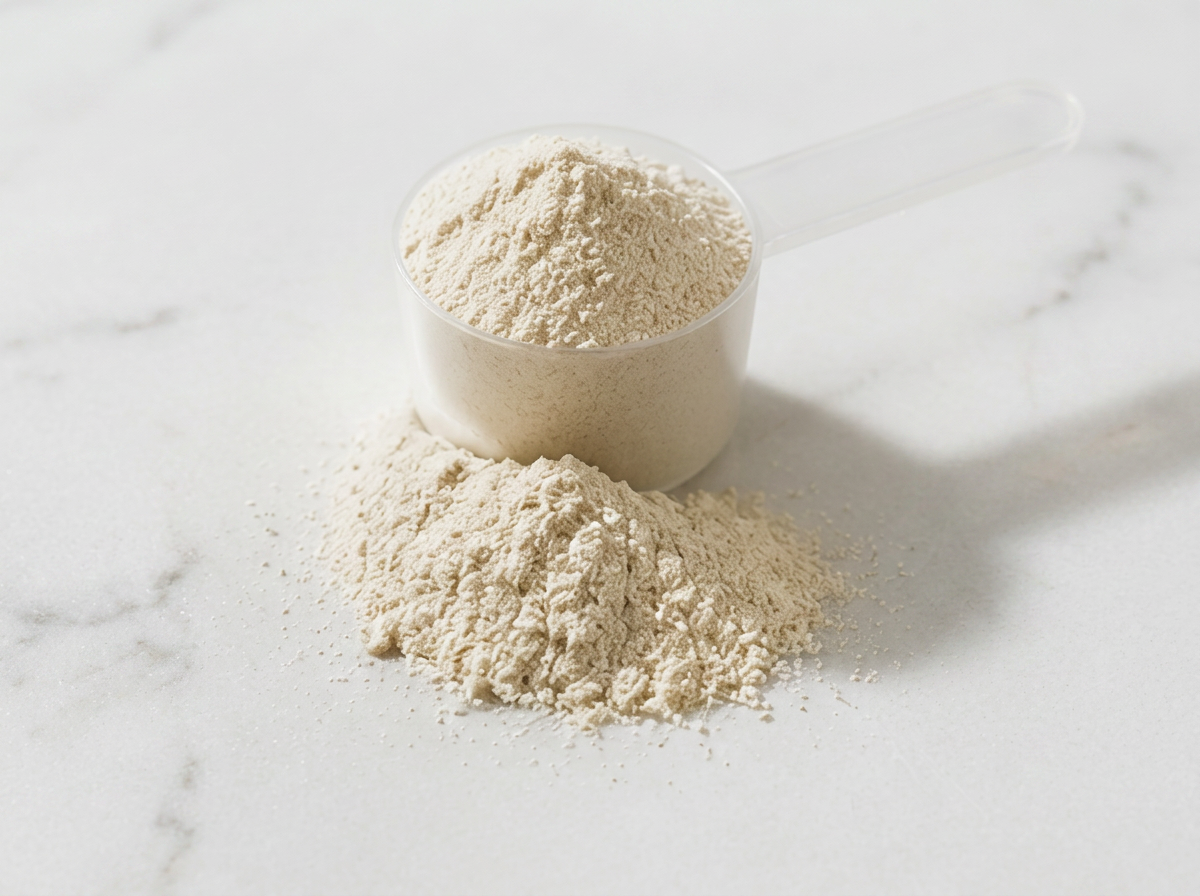
Collagen has moved from a niche beauty ingredient to a mainstream daily product, and private label collagen powder is one of the more reliable ways to enter that category. Shoppers stir it into coffee, smoothies, and water, and many buy it on subscription. For a retailer or brand, that means repeat orders. It also means the product gets used every day, so taste, mixability, and label accuracy show up quickly in reviews.
This guide covers the decisions that matter most when you are scoping a collagen powder: where the collagen comes from, which types to feature, how to label protein correctly, and what to confirm on the certificate of analysis before you sign off.
What private label collagen powder actually is
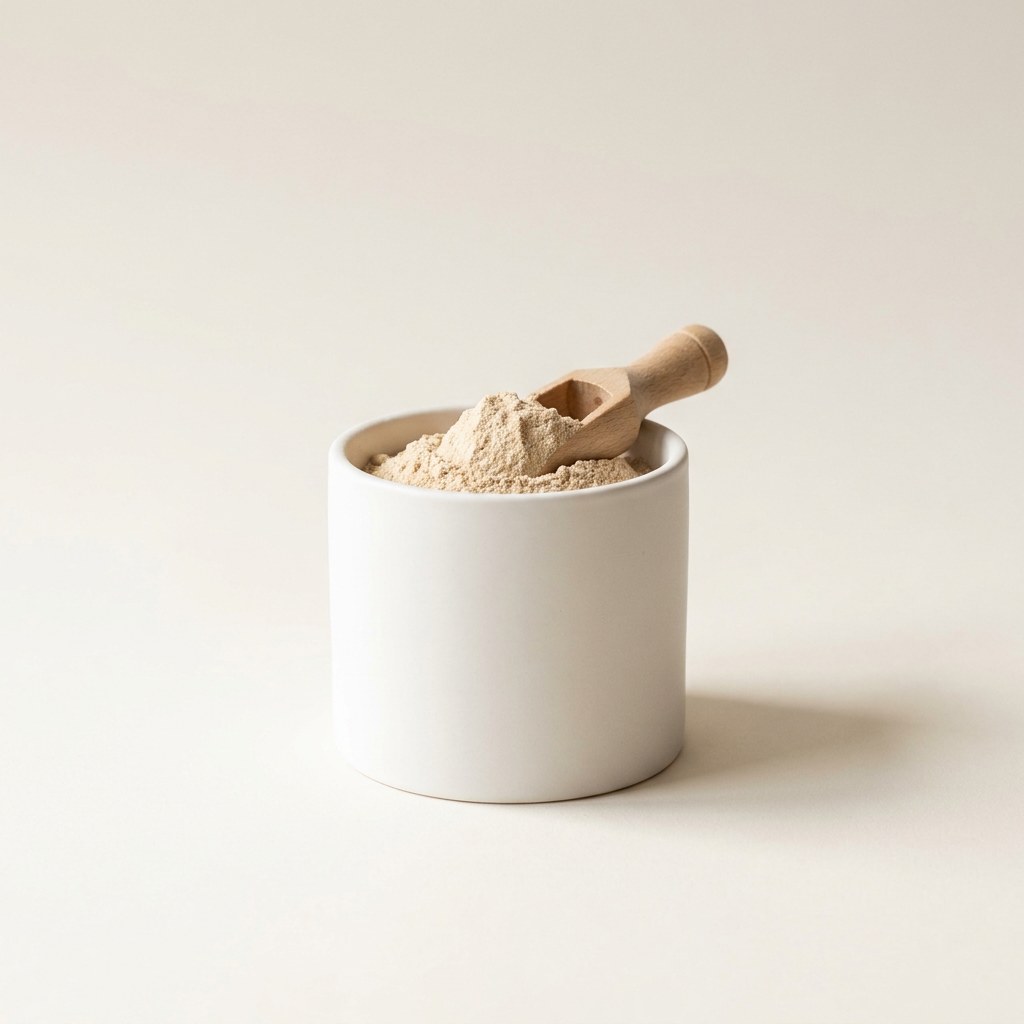
Most collagen supplements are hydrolyzed collagen, also called collagen peptides. Raw collagen from animal hides, bones, or fish skin is broken down with enzymes into smaller peptides that dissolve easily in liquid, including cold drinks. That solubility is a big part of why powders work so well. Undenatured type II collagen is a different ingredient, used at much smaller doses, and is usually sold in capsules rather than scoops.
Typical serving sizes for hydrolyzed collagen powders fall in the range of roughly 10 to 20 grams, which is why powder is the natural format. Getting that amount into capsules or gummies would take many pieces per day.
Sourcing: bovine, marine, porcine, and chicken
The source drives cost, positioning, allergen labeling, and which shoppers the product can serve. Here is how the common options compare.
| Source | Main collagen types | Positioning | Label and sourcing notes |
|---|---|---|---|
| Bovine (cattle hide) | Types I and III | Most common, cost-effective, broad appeal | Ask for country of origin, grass-fed documentation if claimed, and BSE/TSE statements |
| Marine (fish skin or scales) | Mainly type I | Premium, pescatarian friendly | Fish is a major allergen and must be declared; check species and heavy-metal testing |
| Porcine | Types I and III | Lower cost, less common in retail | Not suitable for some religious diets |
| Chicken (sternal cartilage) | Mainly type II | Often joint-focused | Usually smaller doses, often in capsules |
Bovine is the workhorse for most private label collagen lines. Marine collagen sells at a higher price and appeals to shoppers who avoid beef, but it costs more to source and needs the fish allergen declared. If you plan claims like grass-fed, pasture-raised, kosher, or halal, make sure your supplier can back each one with documentation, not just a spec sheet line.
Multi-collagen blends and add-ins
Some brands sell "multi-collagen" products that combine several sources to list types I, II, III, V, and X on the label. These can be good marketing, but they add cost and complexity, and the benefit of listing more types is not something you should overstate in advertising. A simpler single-source product with clear dosing often performs just as well at retail.
Common add-ins include vitamin C, hyaluronic acid, biotin, and flavor systems. Each addition changes taste, cost, and stability, and each needs to be declared correctly on the Supplement Facts panel. Unflavored collagen should be close to neutral in taste and smell. Flavored versions need proper sweetener and flavor development, and they are harder to get right than most brands expect.
Collagen protein powder private label: getting the protein numbers right
This is where many collagen labels go wrong. Collagen is a protein, and a 10 gram serving provides roughly 9 grams of protein by weight. But collagen is an incomplete protein. It lacks tryptophan and is low in several other essential amino acids, so it scores very low on protein quality measures.
Under FDA labeling rules, if a label makes a protein claim, such as calling the product a protein powder or advertising grams of protein on the front panel, the percent Daily Value for protein has to reflect that quality correction. For collagen, that corrected %DV is very low. So a collagen protein powder private label project should be careful with front-of-pack protein claims and comparisons to whey or complete plant proteins. Listing collagen peptides by weight and making accurate structure/function claims is usually the safer approach. Have your label reviewed by someone who knows the protein labeling rules.
Collagen is a protein, but it is not a complete protein, and the label has to reflect that.
Testing and the COA
Because collagen comes from animal tissue, testing is worth paying close attention to. A good collagen powder private label supplier should provide a lot-specific certificate of analysis that covers:
- Identity and protein content, often with an amino acid profile or hydroxyproline measurement
- Heavy metals, including lead, arsenic, cadmium, and mercury
- Microbiological testing for total plate count, yeast and mold, and pathogens such as Salmonella and E. coli
- Moisture, which affects clumping and shelf life
- Particle size or solubility data if mixability is a selling point
If you are new to reading these documents, how to read a certificate of analysis walks through each section and the results that should raise questions. For products shipped into California, trace heavy-metal results also bear on whether a Proposition 65 warning is needed.
Packaging and claims
Collagen powder is packed in tubs, stand-up pouches, or single-serve stick packs. Tubs with a scoop are standard for grocery and pharmacy shelves. Pouches cost less to ship and suit online sales. Stick packs work for travel, trial sizes, and variety packs, and they avoid scoop-size complaints. Whatever you choose, include moisture protection, since hydrolyzed collagen absorbs water and can clump. Our overview of supplement packaging options covers the trade-offs in more detail.
On claims, collagen falls under the same DSHEA framework as other supplements. Structure/function statements about supporting skin, hair, nails, or joints are common, but they must be truthful, supported by evidence at the dose you are selling, carry the FDA disclaimer, and be notified to FDA within 30 days of marketing. Before-and-after imagery and wrinkle-reduction percentages draw FTC attention, so keep advertising in line with what your evidence supports.
Launching a private label collagen line
A practical first launch is one unflavored bovine collagen powder in a tub, plus one flavored version or a stick-pack format. That gives you a staple and a trial option without overloading inventory. Once sell-through is steady, a marine version or a capsule format with a complementary ingredient can extend the line.
RV Pharma supplies powders and stick packs along with gummies, capsules, and other formats from cGMP-compliant, third-party tested manufacturing, with lot-specific COAs available on request. If you are planning a private label collagen product, send your target source, serving size, and volumes and we will prepare an account-specific quote.
Frequently asked questions
Which is better for private label collagen powder, bovine or marine?
Neither is automatically better. Bovine collagen is the most common choice because it is cost-effective and provides types I and III. Marine collagen is mainly type I, sells at a premium, and appeals to shoppers who avoid beef, but it costs more and requires a fish allergen declaration. Choose based on your customer, price point, and positioning.
Can I call collagen powder a protein powder?
You can, but it brings labeling obligations. If you make a protein claim, FDA rules require the percent Daily Value for protein to be adjusted for protein quality. Collagen lacks tryptophan and scores low, so the corrected %DV is small. Many brands avoid heavy front-of-pack protein claims and focus on accurate collagen content instead.
What is the typical serving size for collagen powder?
Most hydrolyzed collagen powders use servings in the range of about 10 to 20 grams, often one or two scoops. That amount is why powder is the most practical format. Undenatured type II collagen is different and is used at much smaller doses, usually in capsules. Match your serving size to the evidence behind any claims you make.
What should be on a collagen powder COA?
A collagen COA should confirm identity and protein content, and ideally include an amino acid profile or hydroxyproline test. It should report heavy metals, microbiological results including pathogens, and moisture. Ask for a lot-specific COA for every batch rather than a general specification sheet, and compare the results to your label claims.
Sourcing a program in this category? A distribution specialist can walk through formats, MOQs, and lead times with you.
Request Wholesale Pricing