
Retail Routing Guides and Compliance Chargebacks: A Supplement Supplier's Primer
A retailer's routing guide decides how your supplements move, get labeled, and get received. Here is how to read one, where chargebacks come from, and how to avoid them.
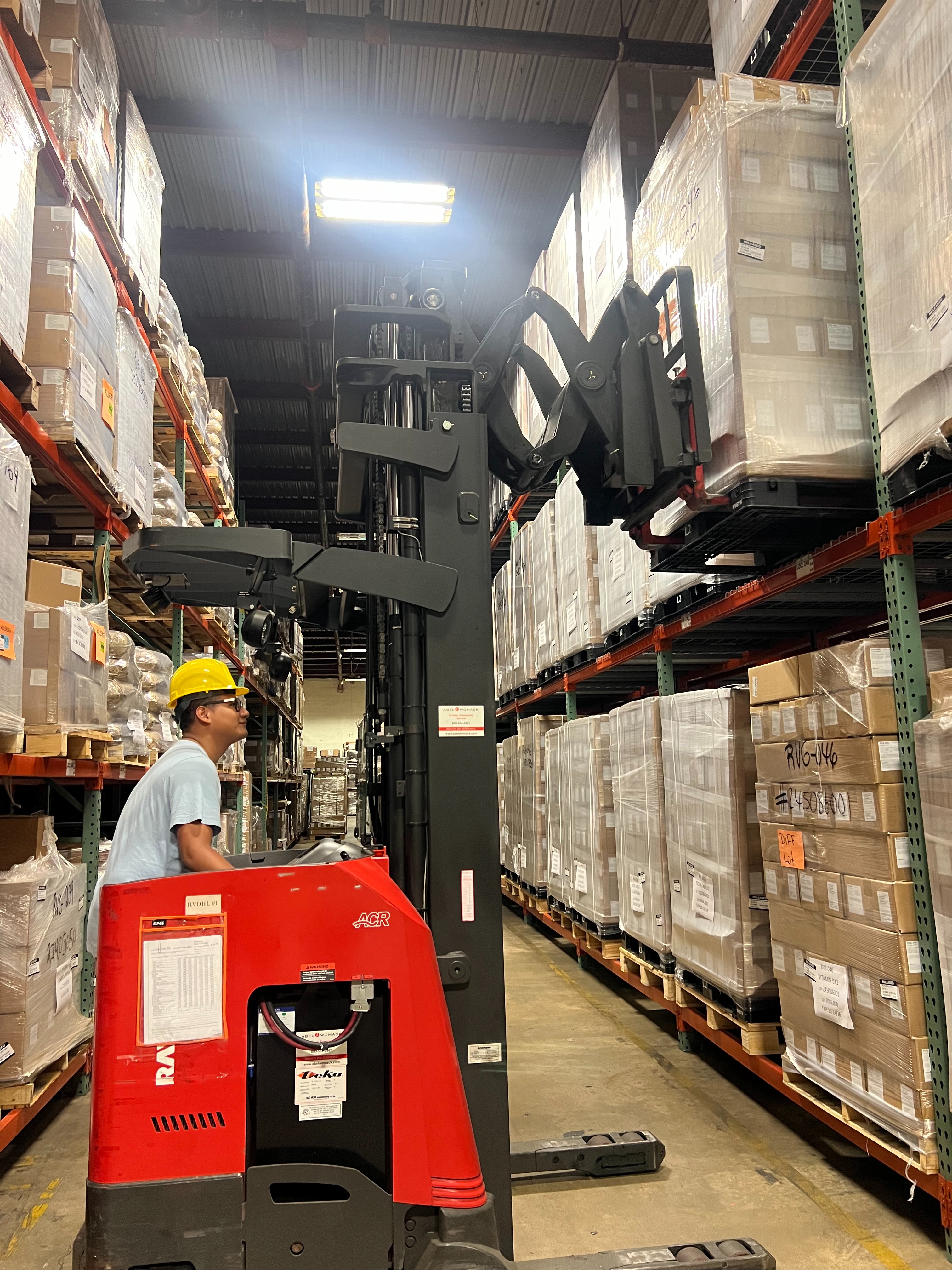
Winning a new retail account is the easy part to celebrate. The harder part starts when the buyer's team sends over a vendor manual and a retail routing guide, often a long PDF with its own glossary, and expects every shipment to follow it from the first purchase order. Miss a detail and the retailer deducts money from your invoice. Miss enough of them and the account quietly starts ordering less.
This primer walks through what a routing guide actually covers, where supplement suppliers most often get charged back, and how to build a shipping process that holds up across multiple retail partners.
What a Retail Routing Guide Is
A retail routing guide is the retailer's rulebook for how inbound freight reaches its distribution centers or stores. It usually sits inside a larger vendor compliance manual that also covers EDI, labeling, packaging, and invoicing. The routing portion answers practical questions: who books the carrier, how far in advance, which delivery windows are allowed, and what paperwork must travel with the load.
Most large retailers buy on one of two freight terms. Under collect terms (often called FOB origin), the retailer controls the freight and you request a pickup through its routing portal or transportation team. Under prepaid terms (FOB destination), you pay for and arrange delivery, but you still have to book a delivery appointment and meet the dock's rules. The guide tells you which applies, and getting that wrong is one of the fastest ways to earn a chargeback.
The Documents and Data Retailers Expect
Retail compliance for supplements is as much about data as it is about boxes. Before a single case ships, the retailer typically expects these pieces to line up:
- Purchase order (EDI 850): the retailer's order, with item numbers, quantities, cost, and ship window.
- PO acknowledgment (EDI 855): your confirmation of what you can ship, sent within the time the guide specifies.
- Advance ship notice (EDI 856): a detailed electronic packing list sent before the truck arrives, tying each carton's label to its contents.
- Invoice (EDI 810): billed exactly against what shipped, not what was ordered.
- GS1-128 carton labels: shipping labels with a unique Serial Shipping Container Code (SSCC) that matches the ASN.
- Bill of lading and packing list: with PO numbers, carton counts, and weights that match the ASN.
The ASN is where most trouble starts. If the ASN says 40 cartons and 38 arrive, or a carton label scans to an SSCC that was never transmitted, the receiving system flags the load. Many retailers charge per carton or per occurrence for ASN mismatches, and some will refuse the load outright.
Common Vendor Compliance Chargebacks
Vendor compliance chargebacks are deductions a retailer takes from your payment when a shipment violates its rules. Some are flat fees per incident, some are a percentage of the PO value, and some are per carton or per pallet. The amounts vary widely by retailer, so read the fee schedule in your specific manual rather than assuming. The categories, though, are consistent across most programs.
| Chargeback trigger | What usually causes it | Prevention |
|---|---|---|
| Late or early delivery | Shipping outside the PO window or missing an appointment | Confirm ship windows on every PO; book appointments as soon as the guide allows |
| Short or over shipment | Pick errors, backorders not communicated | Acknowledge shortages on the 855 and ship what you confirmed |
| ASN errors | ASN sent late, missing, or not matching physical cartons | Generate the ASN from the same scan data used to build the pallet |
| Label noncompliance | Wrong label size or placement, unreadable barcode | Print and verify GS1-128 labels; test scan before shipping |
| Pallet noncompliance | Wrong pallet type, overhang, excess height, mixed SKUs not labeled | Follow the guide's pallet build and height rules exactly |
| Unauthorized carrier | Booking your own freight on collect terms | Route every collect PO through the retailer's routing process |
| Short-dated product | Remaining shelf life below the retailer's minimum | Track expiration at the lot level and rotate stock |
Supplement-Specific Compliance Points
Supplements add a few requirements that general merchandise suppliers do not face. Retailers and their pharmacy or grocery divisions care a great deal about lot traceability and freshness, because a recall or a short-dated product on shelf lands on them too.
Lot and expiration coding
Many vendor manuals require the lot number and expiration or best-by date on both the unit and the shipping case, in a readable format. Some specify the date format. If the case code is missing, receiving may not be able to record the lot, which complicates any future recall and can trigger a deduction.
Minimum remaining shelf life
Retailers commonly set a minimum remaining shelf life at the time of receipt, often expressed as a number of months or a percentage of total shelf life. Product that arrives below that threshold can be refused or charged back. Knowing how your formats age matters here; our guide to supplement shelf life covers how dating is typically set for gummies, capsules, and softgels.
Case packs, inner packs, and item setup
The case pack you set up in the retailer's item file has to match what ships. If the item setup says 12 bottles per case and you ship cases of 24, every receiving scan will be off. Item setup also usually includes case dimensions, weights, and GTINs for the unit and case levels, and those numbers need to be accurate before the first order.
Building a Process That Avoids Deductions
Suppliers who rarely see chargebacks tend to do the same few things well. None of them are complicated, but they require discipline on every order, not just the first one.
- Build a one-page summary for each retailer: freight terms, routing lead time, ship window rules, label specs, pallet height limit, shelf-life minimum, and the chargeback contact.
- Check every PO against inventory the day it arrives and send the 855 with any shortages clearly stated.
- Book routing requests or delivery appointments on the earliest day the guide permits.
- Scan-pack cartons so the ASN is created from what was actually packed, not from the order.
- Verify carton labels with a scanner and photograph finished pallets before pickup.
- Keep bills of lading signed with carton counts, and store proof of delivery for every load.
- Review the deduction report every week and dispute errors inside the retailer's dispute window.
Most chargebacks are not caused by bad product. They are caused by data that does not match the freight.
Disputing Chargebacks the Right Way
Not every deduction is valid. Retailers apply chargebacks automatically based on receiving scans, and receiving docks make mistakes. When a deduction arrives, match it to the PO, the ASN, the bill of lading, and your pallet photos. If the carrier signed for the full carton count on time, you have a strong dispute.
Dispute windows are often short, sometimes 30 to 90 days depending on the retailer, and late disputes are usually denied regardless of merit. Assign someone to own the deduction portal, log every dispute with its outcome, and look for patterns. If the same trigger keeps appearing, fix the process upstream instead of fighting the same deduction every month.
Working With a Distributor or 3PL
For smaller brands and new retail vendors, the overhead of EDI, label printing, and routing requests can be heavy. This is one reason many suppliers work through a distributor or a third-party logistics partner that already ships to retail docks. If you go that route, ask directly how they handle ASNs, how they track lot and expiration at the case level, and who absorbs a chargeback caused by their error. Our supplement fulfillment guide covers the questions to ask.
RV Pharma supplies stock supplements in gummies, capsules, softgels, and other formats to retailers, distributors, pharmacies, and e-commerce businesses across North America, with lot and expiration coding on every bottle and case. If you are planning retail inventory and want itemized pricing against volume tiers, you can request a quote or call 631-730-7724.
Frequently asked questions
What is a retail routing guide?
A retail routing guide is a retailer's written instructions for how suppliers must ship freight to its distribution centers or stores. It covers freight terms, carrier booking, delivery appointments, ship windows, carton labels, pallet builds, and required paperwork such as the advance ship notice. Violating the guide typically results in chargebacks deducted from the supplier's invoice.
What are vendor compliance chargebacks?
Vendor compliance chargebacks are deductions a retailer takes from a supplier's payment when a shipment breaks its rules. Common causes include late delivery, ASN errors, incorrect carton labels, short shipments, noncompliant pallets, and short-dated product. Fees may be flat per incident, per carton, or a percentage of the order, depending on the retailer's program.
How can supplement suppliers reduce chargebacks?
Create a summary of each retailer's requirements, acknowledge purchase orders promptly with any shortages noted, book freight on time, build ASNs from actual scan-pack data, verify GS1-128 labels before shipping, and track lot and expiration at the case level. Review deductions weekly and dispute errors within the retailer's dispute window.
Do retailers require lot numbers on supplement cases?
Many do. Vendor manuals for supplements and other consumables commonly require the lot number and expiration or best-by date on the shipping case as well as the unit, so receiving can record lots for traceability and recalls. Requirements vary by retailer, so check the labeling section of each vendor manual.
Sourcing a program in this category? A distribution specialist can walk through formats, MOQs, and lead times with you.
Request Wholesale Pricing