Ashwagandha Private Label and Stress Supplements: A Category Guide
Ashwagandha and L-theanine lead a fast-growing stress and mood category. Here is what buyers and brand owners should know about extract specs, formats, claims, and the guardrails that matter.
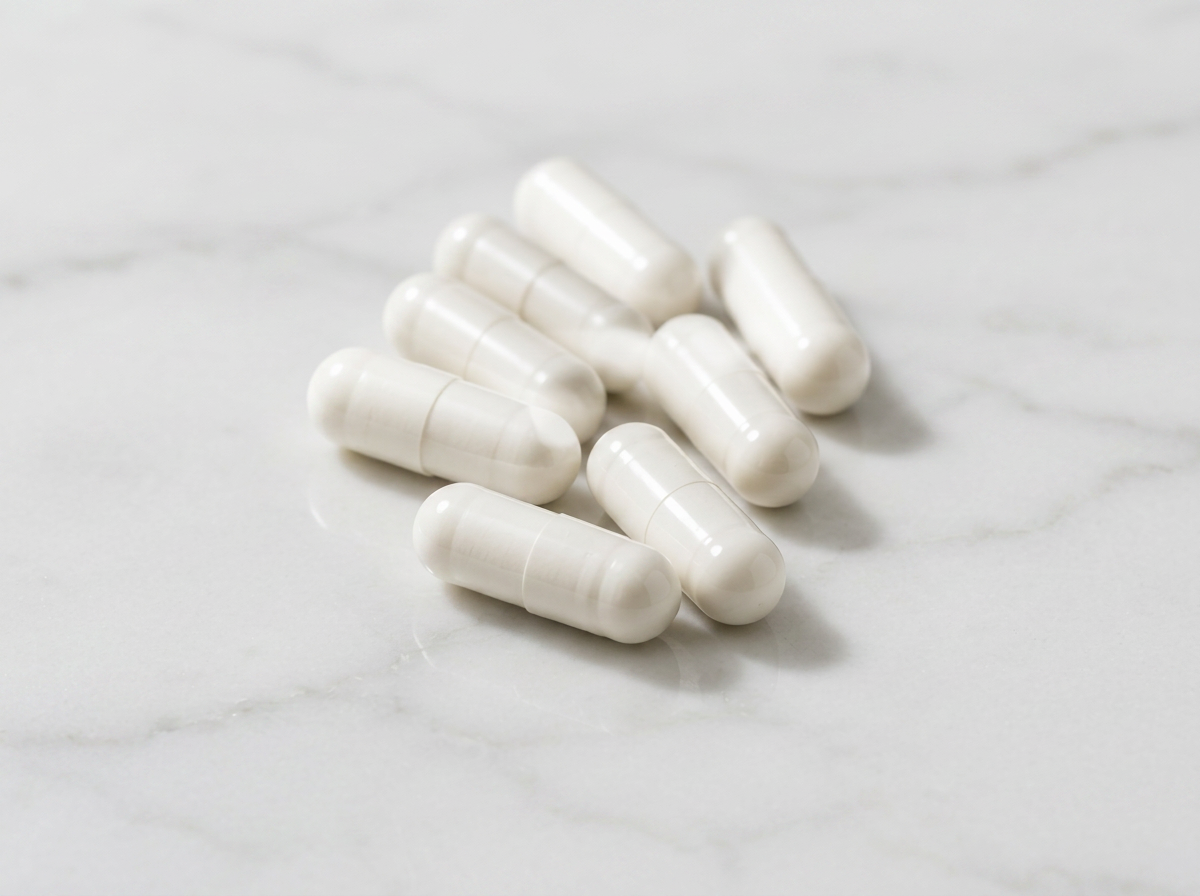
Ashwagandha private label programs are among the most common requests in the stress and mood category, and for good reason. Ashwagandha has broad name recognition, a long history of traditional use, and a growing body of research. Paired with L-theanine, magnesium, and a handful of botanicals, it anchors a category that sells steadily across pharmacy, grocery, and e-commerce.
It is also a category with real guardrails. Claims have to stay within structure/function limits, extract quality varies widely, and ashwagandha in particular has drawn safety reviews in some countries. This guide covers what buyers and brand owners should know before launching or stocking stress and mood products.
What sits in the stress and mood category
| Ingredient | Common positioning | What to check |
|---|---|---|
| Ashwagandha (Withania somnifera) | Supports a healthy response to occasional stress | Plant part, extract type, withanolide standardization, serving amount |
| L-theanine | Supports relaxation and calm focus | Purity; serving amount on the label |
| Magnesium | Supports relaxation and normal muscle function | Form (glycinate, citrate, oxide) and elemental amount |
| Rhodiola | Supports occasional stress and fatigue | Standardization to marker compounds |
| Lemon balm, chamomile | Traditional calming botanicals | Extract ratio or standardization |
| B vitamins | Support normal energy metabolism | Forms and amounts relative to Daily Value |
Most products fall into three groups: single-ingredient ashwagandha, single-ingredient L-theanine or magnesium, and multi-ingredient calm or stress blends. A retail set usually needs at least one from each.
Ashwagandha private label: getting the spec right
Not all ashwagandha is the same, and the specification drives both cost and credibility. Before you commit to an ashwagandha private label product, settle these points with your supplier:
- Plant part. Traditional use centers on the root. Some extracts include leaf. The label should say which part is used.
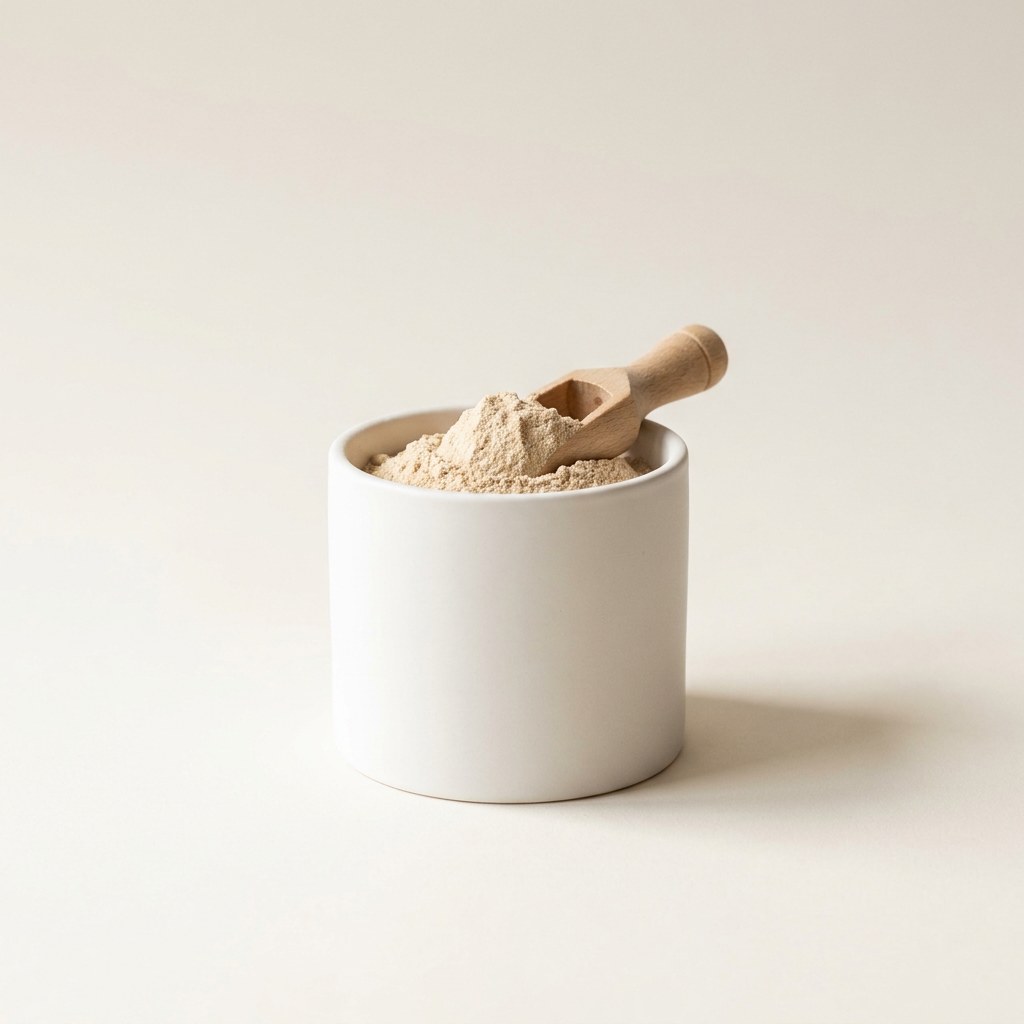
- Extract vs. powder. Raw root powder and standardized extracts are different ingredients. Extracts are typically standardized to a percentage of withanolides.
- Branded vs. generic extract. Branded extracts come with their own research and marketing support, and higher cost. Generic extracts can work well but need solid specifications and testing.
- Serving amount. Many clinical studies used extract amounts in the low hundreds of milligrams per day. Your label amount should be defensible for the positioning you choose.
- Testing. Ask for identity testing, withanolide assay, and screening for heavy metals and microbial contamination on each lot.
Our private-label manufacturing guide walks through the broader process of specifying and launching a formula.
Ashwagandha gummies wholesale vs. capsules
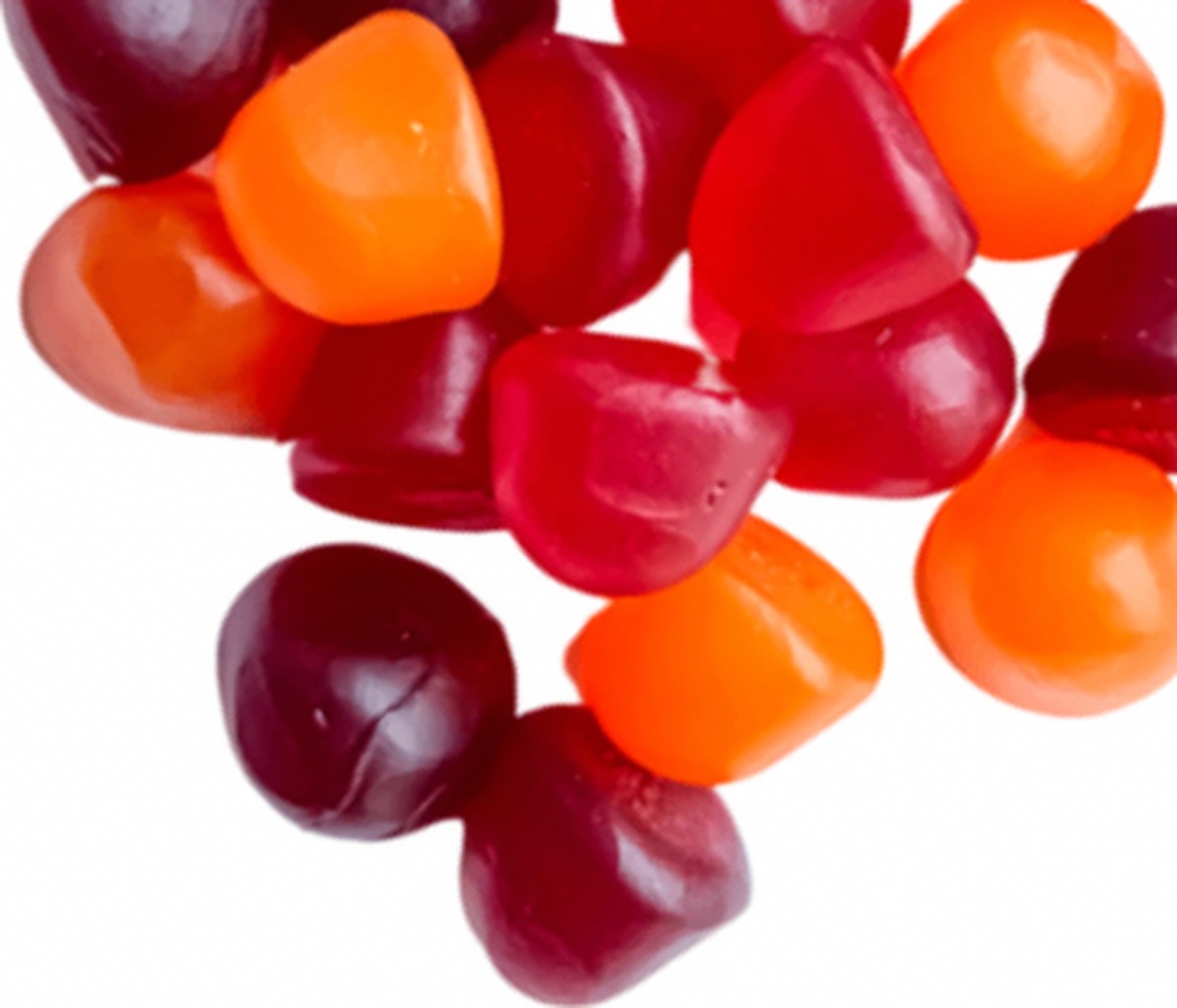
Capsules are the traditional ashwagandha format. They carry higher extract amounts easily, mask bitterness, and keep costs predictable. Ashwagandha gummies wholesale demand is growing fast, though, because shoppers like the format for daily routines.
Gummies bring tradeoffs:
- Serving size limits. A gummy has limited room for active ingredients, so higher-dose extracts may require two or more gummies per serving.
- Taste. Ashwagandha is bitter and earthy; flavor systems need to cover it without excess sugar.
- Stability. Heat and humidity affect gummies more than capsules.
- Label transparency. Buyers should compare milligrams of extract per serving, not just the word 'ashwagandha' on the front.
Many brands offer both formats: a capsule for shoppers who want a higher amount and a gummy for those who prioritize ease. See our stock capsule formats for current options.
L-theanine and magnesium: the steady sellers
Ashwagandha gets the attention, but L-theanine and magnesium often do the quiet volume in this category. L-theanine is an amino acid found naturally in tea leaves. It is commonly sold in capsules, chewables, and gummies, and it appears in many calm and focus blends because shoppers associate it with relaxation without drowsiness. Label amounts in single-ingredient products commonly fall in the range of one to two hundred milligrams per serving.
Magnesium is one of the broadest ingredients in supplements, and it crosses over between stress, sleep, and general wellness sets. The form matters to informed shoppers. Magnesium glycinate is often chosen for relaxation positioning and is generally gentler on digestion, citrate is common and affordable, and oxide delivers more elemental magnesium per milligram but is less favored for this use. Always check that the label lists elemental magnesium, not just the weight of the compound.
Both ingredients have a long safety record at typical label amounts and fewer regulatory questions than botanicals, which makes them a low-risk way to round out a set.
Stress supplements wholesale: claims and guardrails
Stress supplements wholesale buyers need to be especially careful about language. Dietary supplements may carry structure/function claims such as 'supports a healthy response to occasional stress' or 'promotes relaxation,' with the FDA disclaimer. They may not claim to treat, cure, mitigate, or prevent anxiety, depression, or any other disease. Words like 'anxiety relief' or 'antidepressant' turn a supplement claim into a drug claim.
The same standard applies to product listings, retailer copy, social media, and influencer posts. The FTC expects health claims in advertising to be supported by competent and reliable scientific evidence, so even acceptable structure/function language needs substantiation behind it.
In stress and mood, the fastest way into trouble is a single word on the front panel that belongs on a prescription.
Safety notes buyers should know
Ashwagandha is widely used, but it is not without cautions, and buyers should understand them:
- Rare case reports have linked ashwagandha products to liver injury, and at least one European country has moved to restrict it. U.S. rules have not changed, but the topic comes up with retail buyers and compliance teams.
- Labels commonly advise against use during pregnancy or nursing, and recommend consulting a healthcare provider for people with thyroid conditions, autoimmune conditions, or those taking sedatives or other medications.
- Magnesium labels should state the elemental amount; high supplemental intakes can cause digestive upset.
- Multi-ingredient calm blends should be reviewed for combined sedative effects and carry appropriate cautions about driving or operating machinery if relevant.
These cautions should appear on the label where appropriate. Many retailers now ask about them during line reviews, and clear label language speeds approvals.
Building the set
A practical stress and mood set for most retailers includes an ashwagandha capsule, an ashwagandha or calm-blend gummy, an L-theanine product, and a magnesium product, with sleep items nearby. Keep the lineup tight, confirm specifications and testing on every lot, and review all marketing language before launch.
RV Pharma supplies stock capsules, gummies, softgels, and other formats to retailers, distributors, and e-commerce sellers across North America, and offers private-label programs for brands building their own stress and mood line. Custom formulas are quoted per formula, and lot-specific COAs are available on request.
Frequently asked questions
Can supplements claim to relieve anxiety?
No. Anxiety is a disease-related condition, so a claim to relieve, treat, or prevent it is a drug claim. Supplements can use structure/function language such as 'supports a healthy response to occasional stress' or 'promotes relaxation,' paired with the required FDA disclaimer. The claim must also be substantiated, and the same rules apply to online listings and social posts.
How much ashwagandha is in a typical supplement?
Amounts vary widely by product and extract type. Many clinical studies used standardized root extract in the low hundreds of milligrams per day, while raw root powder products may list larger amounts. Buyers should compare the extract type, standardization, and milligrams per serving rather than relying on the ingredient name alone.
Are ashwagandha gummies as effective as capsules?
It depends on the amount and quality of extract per serving. Gummies have limited space and often contain less extract per piece, so some require multiple gummies to match a capsule serving. Compare the label amount and extract specification. Well-formulated gummies can be a good option for shoppers who prefer the format.
Sourcing a program in this category? A distribution specialist can walk through formats, MOQs, and lead times with you.
Request Wholesale Pricing