Supplement Bottle Types: HDPE, PET, Glass, and Pouches Compared
HDPE, PET, glass, or a pouch? A buyer's comparison of supplement bottles and flexible packs by moisture barrier, clarity, freight weight, shelf presence, and format fit.
Supplement bottles do more than hold product. The container sets the moisture barrier, drives freight cost, decides how the item looks on shelf, and determines whether a gummy arrives soft or fused into a single block. When buyers compare two quotes that look identical on formula and count, the difference is often in the packaging: resin type, wall thickness, closure, liner, and whether a desiccant is included.
This guide compares the four containers you will see most often in wholesale programs (HDPE, PET, glass, and stand-up pouches) and explains which formats each one suits. The goal is to help you read a spec sheet and ask the right questions before you commit to a SKU.
Why the container matters for supplement bottles and pouches
Most dietary supplements are sensitive to some combination of moisture, oxygen, light, and heat. Gummies pick up or lose water and can stick together. Probiotics lose viable counts when exposed to humidity. Fish oil softgels oxidize. Powders clump. The container is the first line of defense against all of these, and it has to hold that protection for the full shelf life printed on the label.
Packaging also affects the business side. Heavier containers raise inbound and outbound freight. Odd shapes waste space in a case and on a pallet. Clear containers show off colorful gummies but may need extra light protection for sensitive ingredients. None of these trade-offs is universal, which is why the right answer depends on the format and the channel.
HDPE bottles: the default for most formats
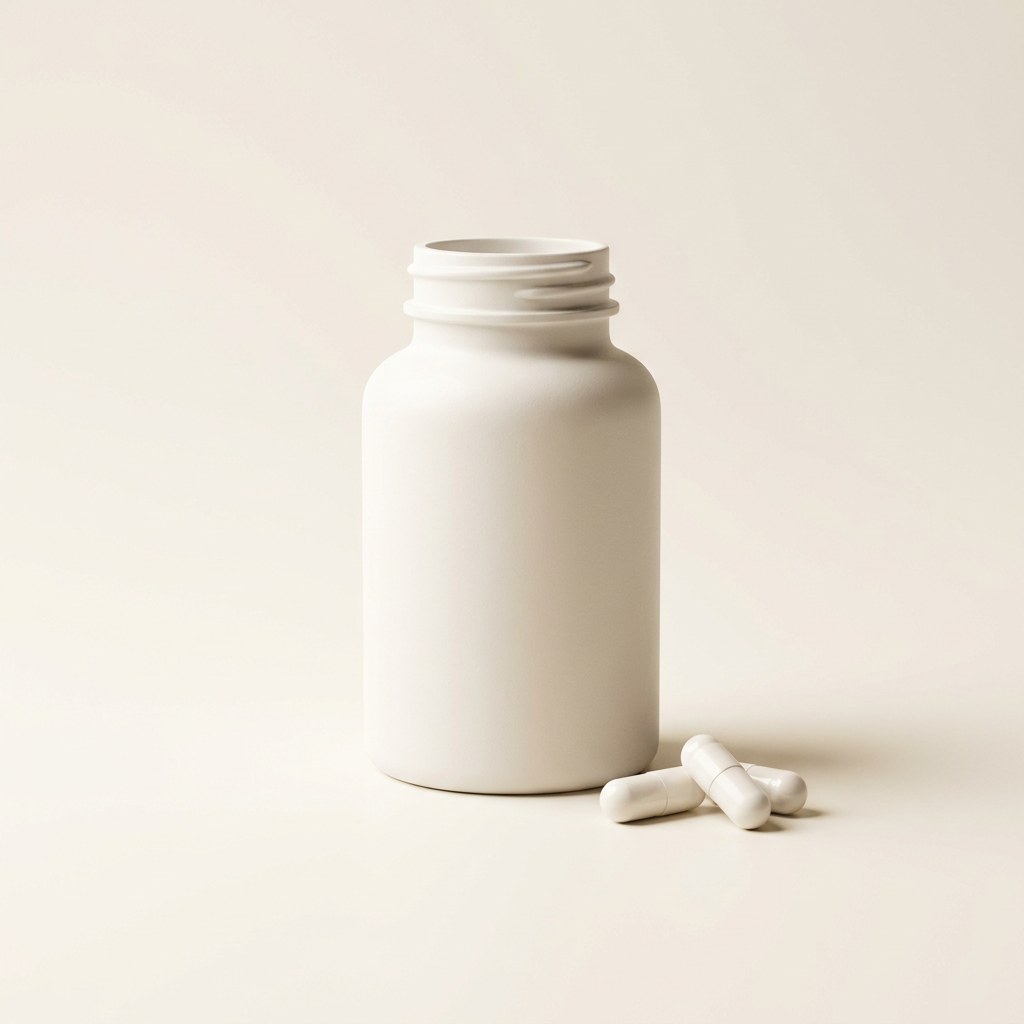
High-density polyethylene is the workhorse of packaging for vitamins. It is the white or colored opaque bottle you see on most capsule, tablet, and gummy lines. HDPE offers a strong moisture barrier for its cost, blocks light when pigmented, resists impact, and is light enough to keep freight reasonable.
- Strengths: good water vapor barrier, opaque (light protection), durable in transit, widely recyclable where #2 plastic is accepted, broad availability of stock sizes and closures.
- Limitations: weaker oxygen barrier than PET or glass, not transparent, and the matte look reads as "standard" rather than premium unless the label does the work.
- Best fit: capsules, tablets, softgels, and most gummies, especially when paired with an induction seal and, where appropriate, a desiccant.
HDPE bottles are typically sold by volume in cc (for example 150cc, 250cc, 400cc) with a neck finish such as 38-400 or 45-400. The neck size matters because it determines which closures, induction liners, and capping equipment fit. If you are switching suppliers or moving from stock to private label, confirm the neck finish before ordering labels or caps.
PET bottles: clarity and shelf appeal
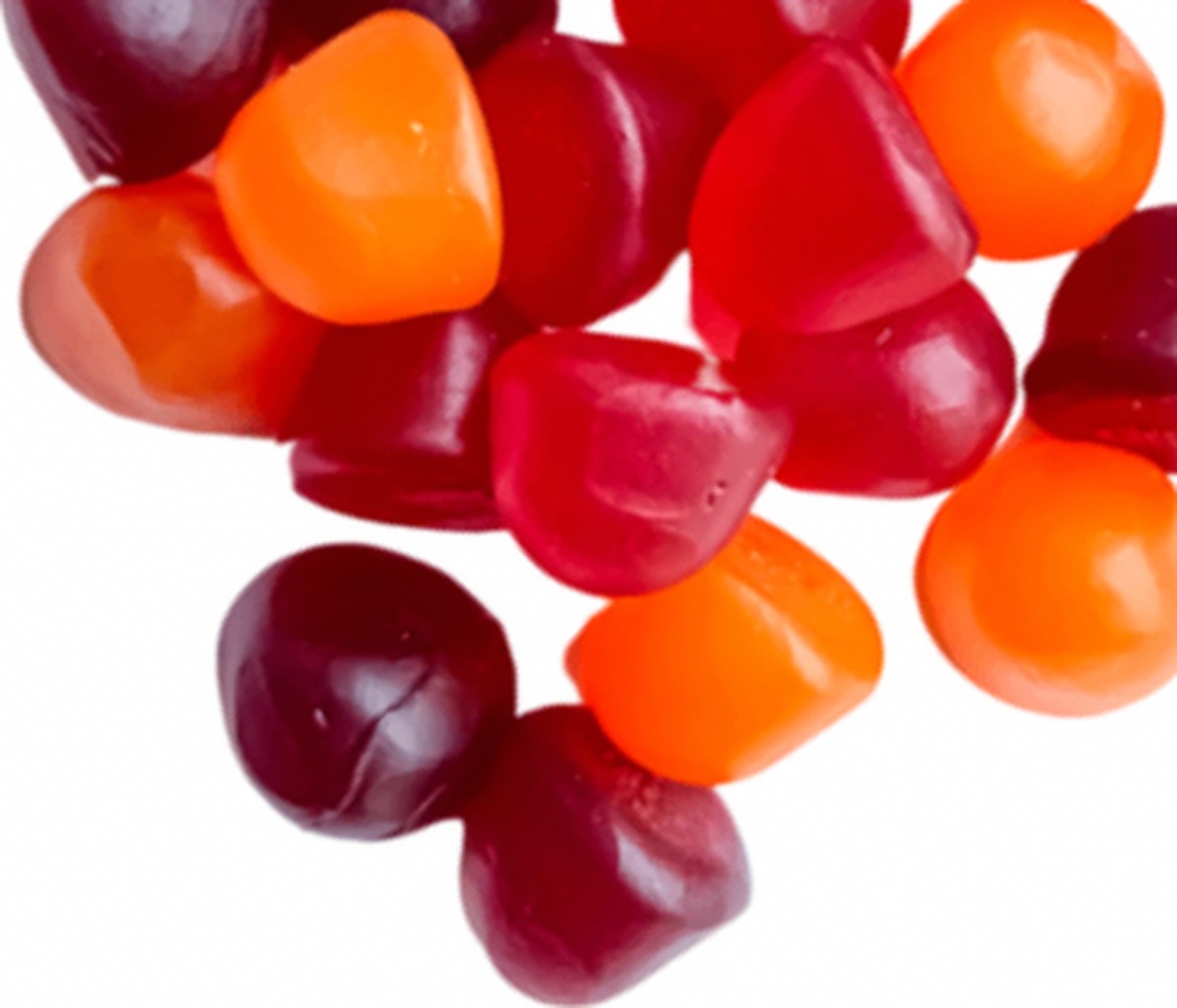
Polyethylene terephthalate is the clear, glass-like plastic used for many gummy and premium capsule lines. Its main advantage is visibility. A shopper can see the gummies, the softgel color, or the capsule fill, which helps in retail and on product photos.
- Strengths: high clarity, better oxygen barrier than HDPE, lighter and less fragile than glass, available in amber for light protection.
- Limitations: moisture barrier is generally lower than HDPE at similar wall thickness, clear PET exposes contents to light, and it can scuff or crack if dropped cold.
- Best fit: gummies and softgels where visual appeal matters, and products that benefit from reduced oxygen exposure.
Amber PET is a useful middle ground. It keeps some visibility while filtering the wavelengths most likely to degrade light-sensitive ingredients. If a formula includes ingredients known to be light-sensitive, ask whether stability data was generated in clear or amber packaging.
Glass bottles: premium barrier, premium freight
Amber or cobalt glass offers the best overall barrier to moisture and oxygen of any common container. It is also inert, so it is a frequent choice for liquid tinctures, oils, and brands positioned around a clean or premium image.
The trade-offs are weight and breakage. Glass can be several times heavier than a comparable plastic bottle, which shows up in freight on every leg. It also needs more protective case packing, and some e-commerce and marketplace channels have stricter prep rules for breakable items. For most solid dose supplements sold in volume, glass is a brand decision rather than a technical necessity.
Stand-up pouches: lower freight, different shelf behavior
Flexible stand-up pouches with a zipper have become common for gummies, powders, and refill programs. A foil or metallized laminate pouch can deliver an excellent moisture and oxygen barrier while weighing a fraction of a rigid bottle, and flat or empty pouches take up far less inbound space.
- Strengths: light weight, strong barrier with foil laminates, lower storage footprint, large print area, well suited to subscription refills.
- Limitations: less crush protection for gummies in transit, harder to merchandise on some pegs or shelves, zippers can fail if contaminated with powder, and child-resistant options are more limited.
- Best fit: powders, gummies sold online or in refill formats, and large-count value packs.
Pouches behave differently in a case and in a shipping box. Gummies in a pouch can press together under load, especially in warm weather. If you are moving a gummy line from bottles to pouches, test a few shipments through your actual carrier network before switching the full program.
Side-by-side comparison
| Container | Moisture barrier | Oxygen barrier | Weight | Typical use |
|---|---|---|---|---|
| HDPE bottle | Good to very good | Moderate | Light | Capsules, tablets, gummies, softgels |
| PET bottle | Moderate | Good | Light | Gummies, softgels, premium lines |
| Glass bottle | Excellent | Excellent | Heavy | Liquids, oils, premium positioning |
| Foil stand-up pouch | Very good to excellent | Very good to excellent | Very light | Powders, gummies, refills |
| Stick packs / sachets | Very good (foil) | Very good (foil) | Very light | Single-serve powders and liquids |
These ratings are general. Actual barrier performance depends on wall thickness, liner, closure torque, and laminate structure, so treat the table as a starting point for questions rather than a spec.
Closures, liners, and the details that fail first
A good bottle with a poor seal still lets moisture in. When you review a quote or spec, check the closure and liner as carefully as the bottle itself.
- Induction seal: a foil liner heat-sealed to the bottle rim. It provides tamper evidence and a strong barrier until the consumer opens it. Most retail programs expect one.
- Closure type: standard continuous-thread caps, child-resistant (push-and-turn) caps, or flip-tops. Iron-containing products at certain levels require child-resistant packaging under federal rules.
- Shrink band: an optional outer tamper-evident band around the cap. Some retailers and marketplaces expect it.
- Desiccant: canisters, packets, or desiccant-lined caps for moisture-sensitive formats like probiotics and some powders.
- Headspace and count: too much empty space adds air and moisture; too little makes filling and capping difficult.
A strong bottle with a weak seal is still a weak package.
How to choose packaging for vitamins by channel
Start with the format's stability needs, then layer on channel requirements. A capsule sold into pharmacy almost always works well in HDPE with an induction seal. A gummy sold mostly on social commerce may justify PET for the visual. A powder with a large count may make more sense in a foil pouch or a tub with a liner. For shipping, bottle shape also affects how many units fit in a case, which feeds straight into your freight cost per unit.
If you are evaluating a vitamin packaging manufacturer or a distributor's stock program, ask what containers are available without custom tooling, whether stability data supports the stated shelf life in that container, and whether lot and expiration coding is printed on both the bottle and the case. You can compare stock formats on our products page and see more packaging trade-offs in our supplement packaging options guide.
RV Pharma supplies stock gummies, capsules, softgels, tablets, powders, liquids, stick packs, and more to retailers, distributors, pharmacies, and e-commerce businesses, with lot and expiration coding on every bottle and case. If you want to talk through container options for a stock or private-label program, our team can help at request a quote.
Frequently asked questions
What type of plastic is used for supplement bottles?
Most supplement bottles are made from HDPE (high-density polyethylene), usually white or colored for light protection. Clear PET is also common, especially for gummies and softgels where visibility helps sales. Both are lightweight and durable. The right choice depends on how sensitive the formula is to moisture, oxygen, and light, and on how the product will be sold.
Are glass supplement bottles better than plastic?
Glass offers the strongest barrier against moisture and oxygen and is inert, which makes it popular for liquids and oils. It is also much heavier and can break, which raises freight and packing costs. For most capsules, tablets, and gummies, a well-sealed HDPE or PET bottle provides adequate protection at lower cost.
Can gummies be packaged in pouches instead of bottles?
Yes. Many brands sell gummies in foil or metallized stand-up pouches, which offer a good barrier and lower freight weight. The trade-off is less crush protection, so gummies may press together under load or in warm weather. Test shipments through your real carrier network before switching a full line from bottles to pouches.
Sourcing a program in this category? A distribution specialist can walk through formats, MOQs, and lead times with you.
Request Wholesale Pricing