
Supplement Category Management for Retailers: Planograms, SKU Count, and Velocity
A supplement set with too many SKUs, weak blocking, and no velocity data leaves money on the shelf. Here is a practical framework for planograms, SKU count, and performance reviews.
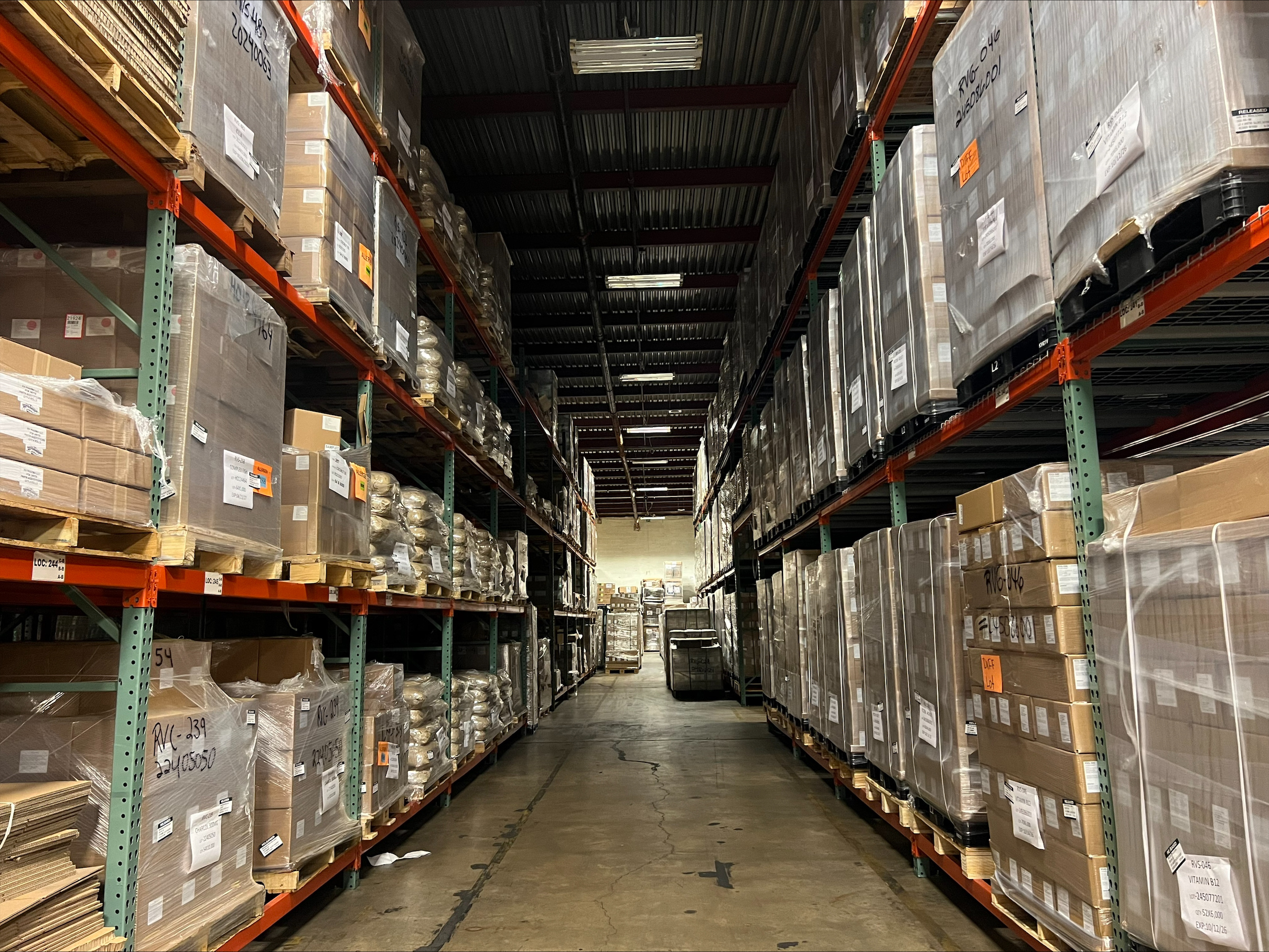
Supplements are one of the hardest categories in the store to manage well. There are hundreds of possible items, several formats for the same nutrient, strong seasonal swings, and shoppers who often arrive with a specific need but no specific brand. Good supplement category management brings order to that complexity so shoppers find what they need and the retailer earns more from every foot of shelf.
This framework is written for buyers at grocery chains, pharmacies, convenience and specialty stores, and any health supplement retailer planning a set or a reset. The same principles apply, in adapted form, to e-commerce category pages.
Start with the category's role
Before touching a planogram, decide what the supplement category is supposed to do for your store. A grocery chain may treat it as a convenience category that captures add-on purchases. A pharmacy may treat it as a destination that reinforces its health credentials. A specialty store may use it to differentiate with brands shoppers cannot find elsewhere.
The role shapes everything else: how much space the category gets, how deep the assortment goes, how aggressively you price, and how much you invest in private label. Many supplement retailers skip this step and end up with a set that tries to be everything and does nothing especially well.
Supplement category management starts with the planogram
A planogram is the map of what goes where on the shelf. For supplements, the most important decision is how to organize, or block, the set.
Blocking options
| Approach | How it works | Best for |
|---|---|---|
| By need state | Groups products by use, such as sleep, immune, energy, and digestion | Shoppers who know their need but not the product |
| By nutrient | Groups by ingredient, such as vitamin D, magnesium, and B vitamins | Shoppers who know exactly what they want |
| By brand | Keeps each brand together | Stores with strong brand-loyal shoppers |
| By format | Separates gummies, capsules, tablets, and so on | Sets where format preference drives choice |
| Hybrid | Nutrient or need state first, then brand or format within | Most mid-size and large sets |
Most sets work best with a hybrid. Letters and single nutrients are often organized alphabetically, while specialty and functional products are grouped by need state. Gummies may sit in their own block or be placed within each nutrient section, depending on how your shoppers buy.
Placement principles
- Put the highest-velocity items at eye level and give them enough facings to avoid out-of-stocks
- Place private label directly next to the national brand it compares to
- Keep related needs adjacent, such as sleep next to stress and relaxation
- Use top and bottom shelves for large sizes, value packs, and slower items
- Reserve endcaps and secondary displays for seasonal and promotional items
A shopper who cannot find vitamin D in ten seconds usually leaves without it, not with something else.
Finding the right SKU count
More SKUs do not automatically mean more sales. Past a point, extra items split demand across near-duplicates, increase out-of-stocks on the items that matter, tie up inventory, and make the shelf harder to shop. The right number depends on space, store format, and the category's role.
A useful exercise is to look for duplication. If you carry six vitamin D3 items at the same strength and similar price, ask what each one adds. Keep items that bring a unique format, size, price point, or shopper. Cut items whose sales would largely transfer to what remains.
A simple SKU rationalization process
- Rank every item by unit sales and gross margin dollars over the last 26 or 52 weeks.
- Flag items in the bottom portion of both lists.
- For each flagged item, ask whether it serves a shopper no other item serves.
- Check whether it is new and still building, or seasonal and out of season.
- Cut the true duplicates and slow movers, then reallocate space to proven sellers and new tests.
Measuring velocity and performance
Velocity is the rate at which an item sells, and it is the single most useful number in supplement category management. Measure it consistently so comparisons are fair.
| Metric | What it tells you |
|---|---|
| Units per store per week | True rate of sale, adjusted for distribution |
| Dollar sales per SKU | Revenue contribution of each item |
| Gross margin dollars | Profit contribution, not just revenue |
| Inventory turns | How efficiently stock is converted to sales |
| GMROI | Gross margin return on inventory investment |
| Out-of-stock rate | Lost sales and shopper frustration |
| Weeks of supply | Whether you are over- or under-stocked |
Velocity should drive facings. An item that sells twice as fast as its neighbor generally needs more facings to stay in stock between deliveries. Matching facings to sales is one of the quickest ways to cut out-of-stocks without adding inventory.
Timing resets and managing seasonality
Most retailers reset the supplement set once or twice a year, with smaller updates in between. Seasonal shifts are the main reason to plan timing carefully. Immune support demand typically builds in early fall, New Year brings interest in wellness and weight management, and summer can lift sports nutrition and hydration products.
Line up resets and seasonal displays with supplier timing. New items need to be ordered, shipped, and received before the planogram changes, and seasonal inventory should land before demand peaks. Our guides to planning immunity season inventory and supplement lead times cover the calendar in more detail.
Managing new items and private label
Every set needs room to test. Set aside a small share of space for new items and give each one a clear review date, typically after enough weeks to judge real repeat purchase rather than initial trial. Set a velocity target in advance so the decision is objective.
Private label deserves the same discipline. Place it next to the leading brand, price it for clear value, and track its share of the category. For more on how pharmacies approach this balance, see our article on stocking supplements in a pharmacy.
How RV Pharma supports category planning
RV Pharma is a wholesale nutraceutical distributor supplying supplement retailers, pharmacies, distributors, and e-commerce businesses across North America. With stock programs across gummies, capsules, softgels, tablets, powders, and specialty formats, estimated 3–10 day shipping on stock orders, and private-label options, we help buyers fill planogram gaps and support resets on schedule.
Frequently asked questions
What is supplement category management?
It is the process of planning and managing the supplement category as a business unit. That includes defining the category's role, choosing the assortment, building planograms, setting SKU counts, pricing, and measuring performance. The goal is to make the set easy to shop while maximizing sales and margin from the space.
How many supplement SKUs should a store carry?
There is no single right number. It depends on shelf space, store format, shopper base, and the category's role. The better question is whether each SKU earns its space through unique format, size, price point, or shopper appeal. Removing near-duplicates often improves sales and reduces out-of-stocks.
How should supplements be organized on the shelf?
Most retailers use a hybrid approach. Single nutrients are often grouped alphabetically, while functional products are organized by need state such as sleep, immune, or energy. High-velocity items go at eye level, and private label sits next to the comparable national brand.
How often should retailers reset the supplement aisle?
Many retailers do a full reset once or twice a year, with smaller updates for seasonal items and new products in between. Timing resets around seasonal demand, such as immune support in the fall, and confirming supplier ship times ahead of the change helps avoid empty shelf space.
Sourcing a program in this category? A distribution specialist can walk through formats, MOQs, and lead times with you.
Request Wholesale Pricing