Convenience Store Supplements: What Sells at the Counter
C-store shoppers buy supplements on impulse, in small units, and for right-now needs. Here is how buyers pick formats, categories, and pack sizes that actually turn at the counter.
Convenience store supplements live or die by one fact: nobody walks into a gas station planning to buy a vitamin. The purchase happens in the eight seconds between setting a coffee on the counter and tapping a card. That changes almost everything about how a c-store buyer should pick products, compared with a pharmacy or grocery vitamin aisle where shoppers browse, compare, and read panels.
This guide covers what tends to move in c-stores and gas stations, which formats fit the space, how single-serve economics work, and the label and compliance checks a buyer should run before anything goes on the counter.
How the c-store shopper is different
A grocery vitamin shopper is usually restocking something they already take. A c-store shopper is solving a problem for the next few hours: a long drive, a late shift, a workout after work, a night out, a flight. They want one serving, not ninety. They will pay a premium per serving for that convenience, but they will not pay a bottle price on impulse.
That leads to three practical rules for c-store supplements:
- Sell servings, not supplies. Single-serve and small-count packs outperform full bottles at the counter.
- Make the use obvious from across the counter. The front panel needs to say what the product is for in a few words, within what the law allows for a dietary supplement.
- Keep the price under a psychological threshold. Counter items that sit in the low single digits get picked up without a second thought; items that climb well past that need a reason.
Formats that work in c-stores
Format matters more here than in almost any other channel, because the product has to survive a hot car, a pocket, and a glance-length decision. The formats below are the ones c-store buyers most often test.
| Format | Why it fits the counter | Watch-outs |
|---|---|---|
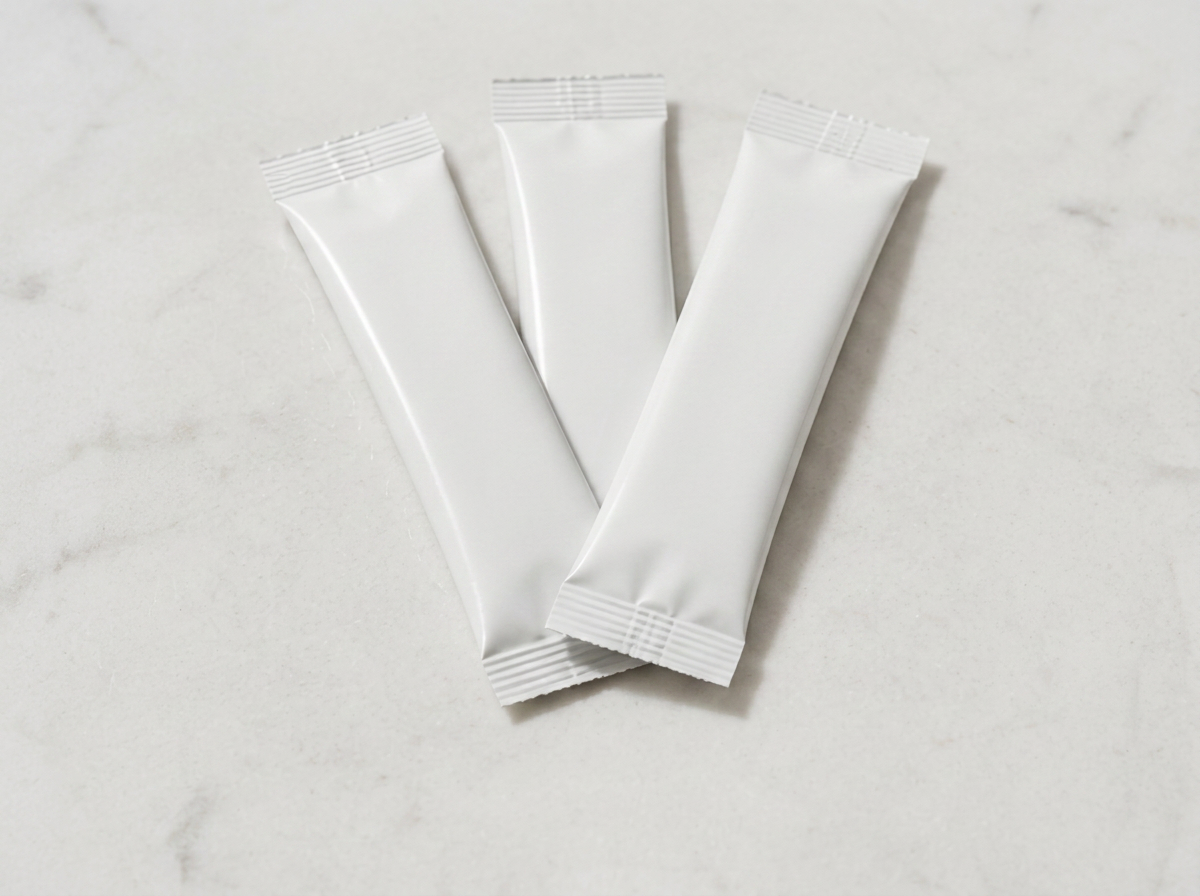
| Stick packs (powders) | Single serving, pocketable, mixes into water or a bottled drink the shopper is already buying | Needs clear mixing directions; flavor quality drives repeat purchase |
| Single-serve gummy pouches | Familiar, easy to eat on the go, strong visual appeal | Heat exposure in vehicles and near windows; pouch seal integrity |
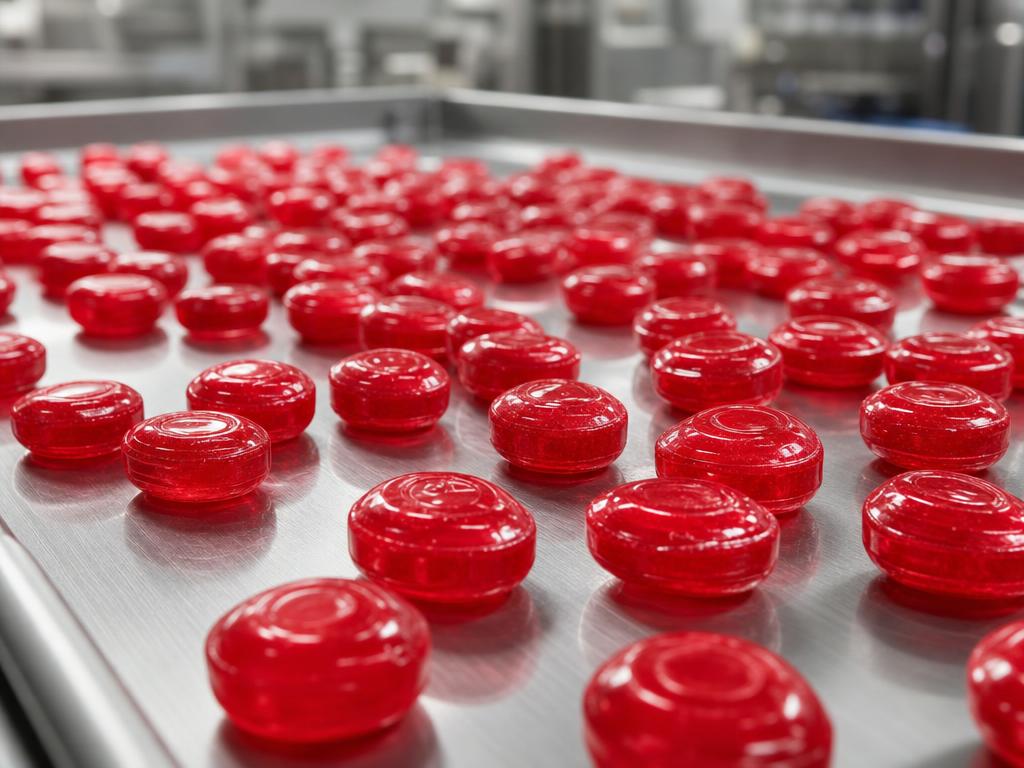
| Lozenges and soft chews | No water needed; good for throat, energy, or on-the-go use | Individual wrapping adds cost; check how the pack displays |
| Small-count capsule or softgel packs | Compact, stable, familiar to regular supplement users | Less impulse appeal than chewables; needs a clear use cue |
| Liquid shots | Fits next to energy drinks and cold vault | Shelf-life, packaging weight, and beverage vs. supplement classification |
Stick packs deserve special attention. They pair naturally with the bottled water and drinks already in the cooler, and a counter display of electrolyte or energy sticks gives the cashier something to suggest. For more on how these formats compare, see our overview of stick packs and other stock formats.
Convenience store supplements: categories that tend to move
Category performance varies by location. A truck stop, a commuter station near a train line, and a college-town store will each have a different top seller. That said, the categories that c-store buyers most commonly rotate through include:
- Energy and focus: caffeine-based products, B-vitamin blends, and products positioned for alertness. Caffeine content should be declared clearly so shoppers can manage total intake alongside coffee and energy drinks.
- Hydration and electrolytes: stick packs sell well in summer, near gyms, and in stores with heavy outdoor-worker traffic.
- Immune support: vitamin C, zinc, and elderberry items see strong demand in fall and winter.
- Sleep and relaxation: melatonin gummies and chews, especially at airport-adjacent and travel-heavy locations.
- Digestive comfort: single-serve digestive enzymes or ginger chews for travelers.
- Throat and voice: lozenges near the register are a long-standing c-store staple.
Avoid chasing categories that depend on heavy education or long-term use. Collagen, joint support, and complex multi-ingredient formulas can sell in some c-stores, but they usually turn slower because the shopper cannot feel a reason to buy them today.
Single serve supplements wholesale: the economics
Buying single serve supplements wholesale looks expensive on a per-serving basis compared with bottles, and it is. Individual packaging, extra cartoning, and display trays all add cost. The c-store model works anyway because the retail price per serving is also much higher, and velocity at a good counter location can outpace a full-size bottle sitting on a back shelf.
When you model a single-serve program, look at:
- Landed cost per unit, including freight and any display or shipper cost.
- Retail price point that fits the counter, and the margin that leaves after shrink.
- Units per display and how many displays a store can realistically hold.
- Reorder cadence. Small packs sell fast, so plan for frequent, smaller reorders rather than one large stock-up.
- Shelf life at the time of receipt, so slow stores do not end up with near-dated product.
Our guide to wholesale supplement pricing factors goes deeper on how volume tiers, packaging, and format move the per-unit number.
At the counter, the product has about eight seconds to explain itself. If the front panel cannot do that, the price does not matter.
Compliance and label checks for c-store supplements
A convenience store is still a retailer of dietary supplements, and the same federal rules apply as in any other channel. Before you list a c-store supplement, confirm:
- It carries a Supplement Facts panel, a statement of identity that calls it a dietary supplement, net quantity, the manufacturer or distributor name and place of business, and a domestic address or phone number for adverse event reports.
- Any structure/function claim such as 'supports energy' or 'supports immune function' is paired with the required FDA disclaimer, and there are no disease claims like 'cures hangovers' or 'prevents colds.'
- Caffeine or other stimulant amounts are stated, and serving directions are clear.
- Lot and expiration coding is present and readable on both the unit and the case.
- The supplier can provide a certificate of analysis for the lot you are receiving and confirm the product was made under cGMP (21 CFR Part 111).
Be especially careful with products marketed for sexual enhancement, extreme weight loss, or bodybuilding. The FDA has repeatedly found undeclared drug ingredients in products sold in those categories, and many were sold through gas stations and convenience stores. Buying from a known, documented supply chain is the simplest protection a c-store operator has.
Merchandising tips from the counter
- Put one display at the register and keep it tight: four to six SKUs beats twenty.
- Rotate by season. Swap electrolytes toward the front in summer and immune items in fall.
- Group by need state (energy, sleep, immune) rather than by brand.
- Check heat. Keep gummies and soft chews out of direct sunlight near windows.
- Track sell-through weekly for the first month, then cut the bottom performer and test something new.
A small, well-chosen set of c-store supplements can add meaningful basket value without taking much space. The work is in picking formats that fit the moment and suppliers that can back up every lot.
Sourcing for convenience retail
RV Pharma is a wholesale distributor that supplies retailers, distributors, and e-commerce businesses across North America with stock supplements in formats that suit the counter, including stick packs, gummies, soft chews, lozenges, and lollipops. Every lot ships with lot and expiration coding on bottle and case, and lot-specific COAs are available on request. If you are building a counter program, you can request a quote with your target formats and volumes.
Frequently asked questions
What supplements sell best in convenience stores?
Products tied to an immediate need tend to sell best: energy and focus items, electrolyte stick packs, immune support in fall and winter, sleep gummies at travel-heavy locations, and throat lozenges. Single-serve or small-count packs usually outperform full-size bottles because c-store shoppers buy on impulse and want one serving rather than a month's supply.
Can a gas station legally sell dietary supplements?
Yes. Any retailer can sell dietary supplements as long as the products are lawfully marketed, properly labeled with a Supplement Facts panel, and free of disease claims. The retailer should buy from suppliers that can document cGMP manufacturing and provide certificates of analysis, and avoid products in categories where undeclared drug ingredients are a known problem.
Why are single-serve supplements more expensive per serving?
Each serving is individually packaged, which adds material, filling, and cartoning cost, and small packs often ship with display trays. Retail pricing per serving is also higher, so margins can still work well. The key is modeling landed cost, counter price point, velocity, and shelf life before committing to a program.
Sourcing a program in this category? A distribution specialist can walk through formats, MOQs, and lead times with you.
Request Wholesale Pricing