Selling Supplements in Gyms and Fitness Studios: A Wholesale Playbook
Gyms and studios already have the audience. This playbook covers what to stock, how to buy it at wholesale, how to price it, and how to stay on the right side of supplement rules.

Selling supplements in gyms makes sense on paper. Members show up several times a week, they already spend money on their training, and many of them buy protein, electrolytes, or pre-workout somewhere else. A well-run retail shelf or front-desk cooler captures some of that spend. The gyms that do it poorly end up with dusty tubs, expired product, and cash tied up in inventory nobody asked for.
This playbook is for gym owners, boutique studio operators, and the distributors who serve them. It covers product selection, first-order sizing, pricing, staff training, and the compliance points that matter most in sports nutrition.
Start with what members already buy
The best starting assortment reflects what your members are already bringing in their bags. Spend a week noticing. Walk the floor, look at shaker bottles, ask trainers what clients ask them about. In most gyms, a short list covers the majority of demand:
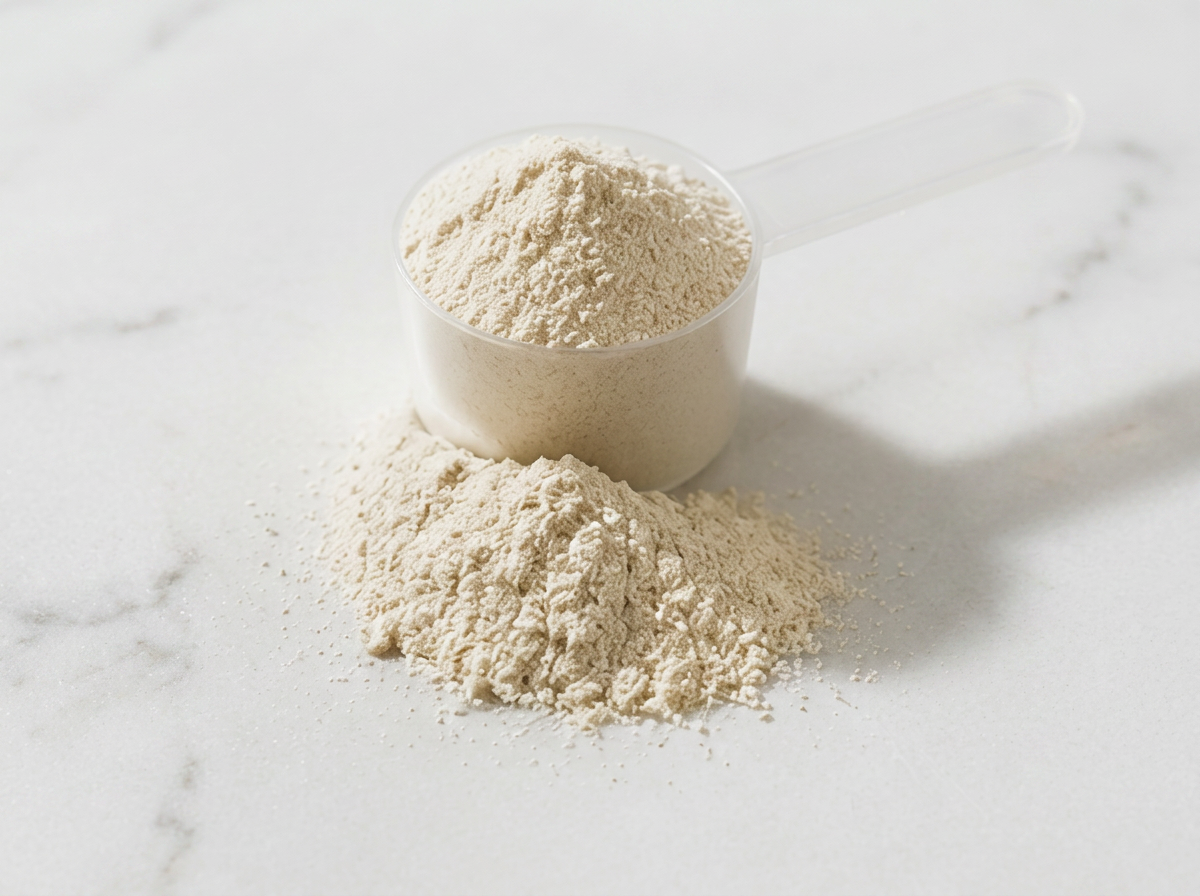
- Protein powder, in both whey and plant-based options if your membership skews that way
- Electrolyte or hydration powders, ideally in single-serve stick packs
- Pre-workout or energy products with clearly declared caffeine
- Creatine monohydrate, which has a large and loyal user base
- A basic daily multivitamin or vitamin D, for members who want an easy add-on
- Recovery-adjacent products such as magnesium or collagen
A yoga or Pilates studio will look different. Think hydration, collagen, magnesium, sleep and relaxation, and simple daily wellness gummies rather than tubs of pre-workout.
Gym supplements wholesale: sizing the first order
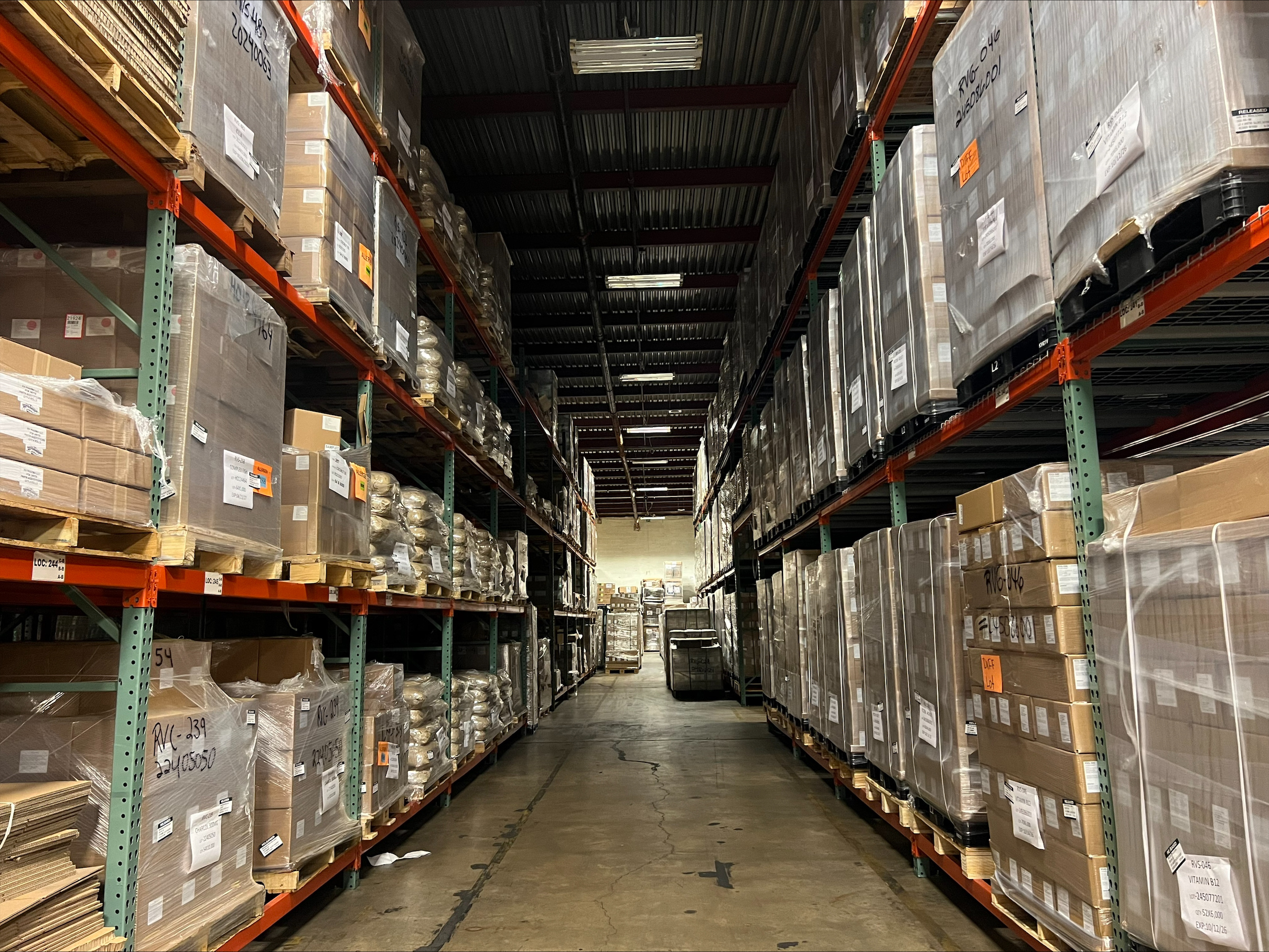
The biggest mistake new gym retailers make is buying too deep. A single location does not need pallets. Buying gym supplements wholesale works best when you start narrow and reorder often.
- Pick six to ten SKUs across your top three or four categories.
- Choose formats that sell in both single servings and full containers, so members can try before committing.
- Match the first order to realistic sell-through. A useful target is roughly 60 to 90 days of expected sales, not a year.
- Confirm minimum order quantities up front. Stock programs usually have lower minimums than custom formulas, which is why they suit single-location gyms.
- Check expiration dating at receipt so slow movers do not age out on the shelf.
If you are weighing stock product against launching your own gym-branded line, read our explainer on supplement MOQs. Private label can work well for multi-location gyms, but it asks more of your cash and your storage.
Formats that fit a gym environment
| Format | Best use in a gym | Notes |
|---|---|---|
| Powders (tubs) | Protein, creatine, pre-workout | Higher ticket; offer sample servings to drive trial |
| Stick packs | Electrolytes, pre-workout, single-serve protein or greens | Great for the front desk and for members who forgot their own |
| Capsules and softgels | Multivitamins, fish oil, magnesium | Low mess, long shelf life, easy to display |
| Gummies | Daily vitamins, creatine gummies, sleep | Popular with members who dislike pills; keep away from heat |
| Liquids and shots | Energy or hydration on the way out | Useful near a cooler; check storage needs |
Stick packs are the quiet workhorse here. They let a member buy one serving for today's workout at a price that feels easy, and they give staff a low-pressure way to introduce a product. See our powder and stick pack formats for stock options.
Sports nutrition wholesale: quality is the whole game
Sports nutrition has a contamination problem that other categories do not face to the same degree. Over the years, products marketed for muscle building, fat loss, and performance have been found to contain undeclared stimulants, steroids, or unapproved drug ingredients. For a gym, selling one of those products is a reputational risk, and for members who compete in tested sports it can be a career risk.
When you source sports nutrition wholesale, ask every supplier for:
- Confirmation of cGMP manufacturing under 21 CFR Part 111
- Third-party testing results or a lot-specific certificate of analysis
- Lot and expiration coding on each unit and each case
- A clear ingredient list with no proprietary blends hiding stimulant amounts
Competitive and tested athletes often look for products carrying a sport-specific certification, which screens for substances banned by athletic bodies. That is a separate program from general cGMP or NSF/ANSI 455-2 certification, so if your members compete, ask suppliers specifically which programs apply to each product and do not assume.
A gym is selling trust as much as protein. Every tub on the shelf carries the gym's name, even if the label says something else.
Pricing and margin basics
Members can compare prices on their phones in seconds, so gym pricing has to be reasonable. You will rarely beat large online sellers on a tub of protein. You win on convenience, single servings, curated selection, and the trust members already place in your staff.
- Price single servings at a clear premium per serving; members accept this for convenience.
- Keep full containers competitive enough that members do not feel penalized for buying on site.
- Use bundles such as a shaker with a first tub, or a ten-pack of stick packs, to raise the average ticket.
- Review margins by SKU every quarter and drop products that tie up cash.
Staff, claims, and the rules that matter
Trainers are your best salespeople and your biggest compliance risk. Under FTC and FDA rules, what staff say about a product counts as marketing. Train them to describe what a product is and how it is used, not to promise results. 'This is an electrolyte mix, most people use it during longer sessions' is fine. 'This will burn fat' or 'this fixes joint pain' is not.
Also remember that trainers are generally not licensed to give medical advice. Members with health conditions, pregnancy, or medications should be pointed to their healthcare provider before starting a new supplement. A short written guideline for staff avoids most problems.
Selling supplements in gyms: putting it together
Selling supplements in gyms works when the shelf is small, the products are credible, the reorders are frequent, and staff talk about products honestly. Start with what members already use, buy stock programs with sensible minimums, and expand only after you see sell-through.
RV Pharma supplies gyms, studios, distributors, and e-commerce sellers across North America with stock powders, stick packs, capsules, softgels, and gummies made under cGMP and third-party tested, with lot-specific COAs available on request. If you are planning a gym retail program, our how to order page walks through the process.
Frequently asked questions
Do gyms need a license to sell supplements?
There is no federal license specifically for selling dietary supplements, but a gym selling retail products generally needs the same business registrations as any retailer, including a sales tax permit where required. State and local rules vary, so check with your state tax agency. The products themselves must be lawfully labeled dietary supplements from a documented supplier.
What supplements should a gym sell first?
Start with what members already buy: protein powder, electrolyte stick packs, pre-workout with declared caffeine, creatine, and a basic multivitamin. Six to ten SKUs is plenty for a first order. Add single-serve options so members can try products before committing to a full container, and expand only after you see sell-through.
How much margin can a gym make on supplements?
Margin depends on product, volume tier, and local pricing, so there is no single number. Full containers usually carry thinner margins because members compare online prices. Single servings, bundles, and curated items tend to carry healthier margins. Review margin and sell-through by SKU each quarter and cut products that tie up cash without moving.
Sourcing a program in this category? A distribution specialist can walk through formats, MOQs, and lead times with you.
Request Wholesale Pricing