Sourcing Vegan Supplements: Shells, Gummies, and Claim Verification
A vegan claim can fail on a capsule shell, a glaze, or the source of vitamin D3. Here is how buyers can source vegan supplements and verify the claim behind the label.
Demand for vegan supplements has moved well beyond natural food stores. Shoppers in mainstream pharmacy, grocery, and online channels now look for plant-based options, and many vegan supplements brands have built loyal followings. For buyers, the challenge is not finding products labeled vegan. It is confirming the claim holds up once you look past the front panel.
Unlike organic, the term vegan has no federal definition for dietary supplements. FDA does not define it, and no government agency certifies it. That puts the burden on brands, distributors, and retailers to verify that every component, from the active ingredients to the capsule shell and the glaze on a gummy, is free of animal-derived materials.
Where Animal Ingredients Hide in Supplements
The active ingredient is rarely the problem. Most animal-derived materials show up in delivery systems, processing aids, or specific vitamin sources. The table below lists the most common issues.
| Component | Common Animal-Derived Source | Typical Vegan Alternative |
|---|---|---|
| Capsule shells | Bovine or porcine gelatin | HPMC (hypromellose) or pullulan |
| Softgel shells | Gelatin | Starch and carrageenan-based shells |
| Gummy base | Gelatin | Pectin |
| Vitamin D3 | Lanolin from sheep's wool | Lichen-derived D3, or vitamin D2 |
| Omega-3s | Fish oil | Algal oil |
| Coatings and glazes | Shellac or beeswax | Carnauba wax or plant-based glazes |
| Colors | Carmine from insects | Fruit and vegetable colors, spirulina |
| Flow agents | Magnesium stearate, sometimes animal-sourced | Vegetable-sourced stearate or alternatives |
Other ingredients worth checking include collagen, which is always animal-derived, glucosamine from shellfish, lactose used as a filler, and chondroitin.
Capsules and Softgels: The Shell Question
Vegetable capsules made from HPMC are widely available and work for most powdered formulas. Pullulan, made through fermentation, is another option with good oxygen barrier properties. Both typically cost more than gelatin capsules, and they may behave differently in humid storage, so ask about stability data in the final package.
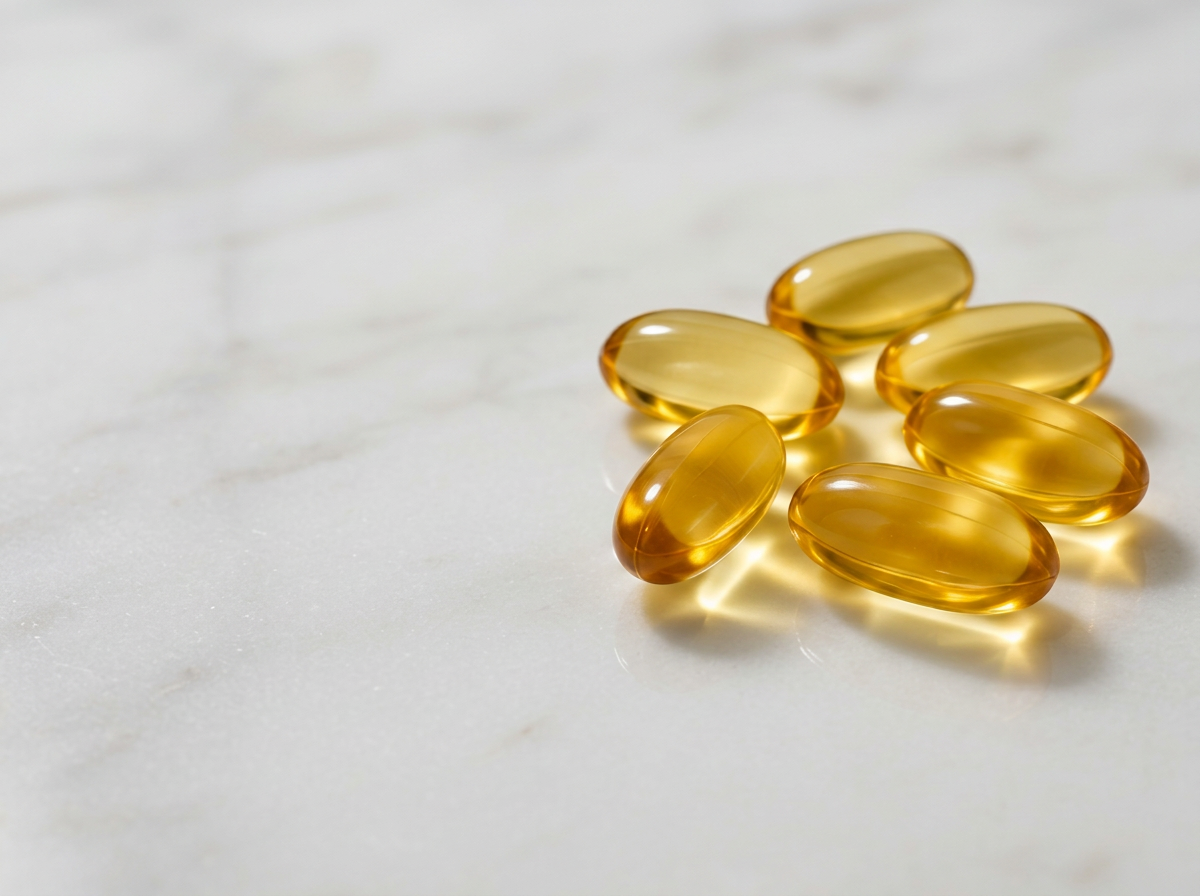
Softgels are harder. Traditional softgels depend on gelatin's unique properties, and plant-based shells made from modified starch and carrageenan are available but less common, often more expensive, and sometimes limited in the fills they can hold. If a vegan softgel is required, confirm the shell composition in writing. For more on the format, see what softgels are and how they're made.
Vegan Gummies Wholesale: Pectin and Beyond
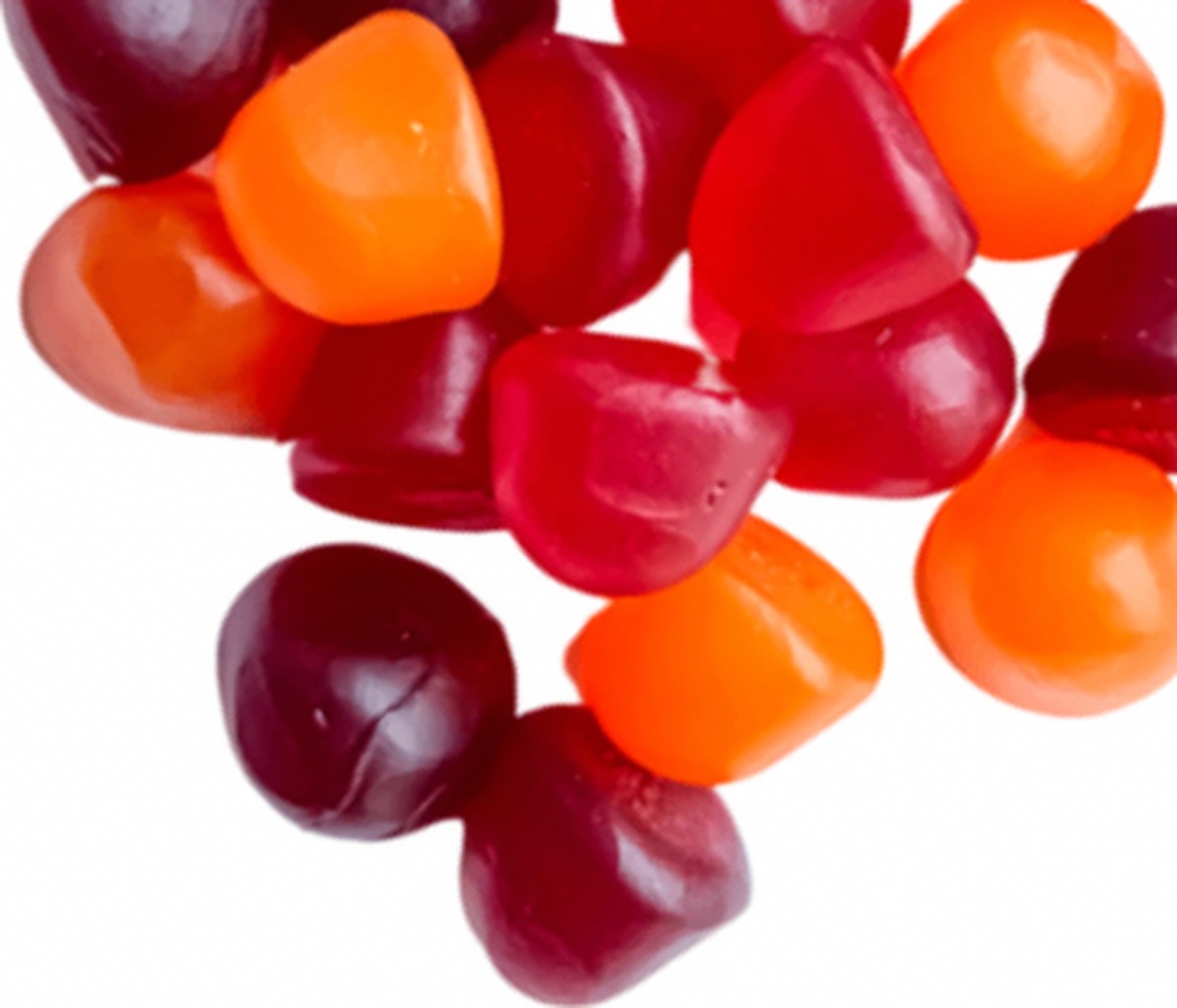
Pectin is the standard gelling agent for vegan gummies wholesale programs. It comes from fruit, typically citrus peel or apple, and produces a slightly firmer, cleaner bite than gelatin. Pectin gummies also tolerate heat somewhat better than gelatin gummies, which helps during summer shipping. Our pectin vs. gelatin comparison goes into texture and processing differences.
A pectin base alone does not make a gummy vegan. Check these details as well.
- The coating. Many gummies use a sugar sanding or an anti-stick oil and wax blend. Beeswax is a common culprit.
- The colors. Carmine is still used in some red and pink products.
- The actives. Vitamin D3 in gummy multivitamins is often lanolin-sourced unless specified otherwise.
- Processing aids. Some release agents and flavors may contain animal-derived components, so ask for supplier confirmation.
A vegan claim is only as strong as the least-examined component on the formula sheet.
How to Verify a Vegan Claim
Since there is no federal definition, verification depends on documentation. Before stocking a product labeled vegan, or before adding a vegan claim to your own label, work through these steps.
- Get a complete ingredient breakdown, including excipients, coatings, processing aids, and the source of each vitamin form.
- Request a signed vegan or animal-free statement from the manufacturer covering every component, including capsule or softgel shells.
- Ask for raw material supplier statements for high-risk items like vitamin D3, omega-3s, and stearates.
- Decide whether a third-party vegan certification is worth pursuing. Several independent organizations offer programs that review formulas and supplier documentation.
- Keep the documentation on file and re-verify when any raw material supplier changes.
The claim must also be truthful under FTC rules. If a product carries a vegan claim and contains an animal-derived ingredient, that is a misleading claim regardless of whether FDA defines the term. Retailers and marketplaces increasingly ask for backup, so organized files save time.
Labeling and cross-contact
Vegan and allergen-free are not the same thing. A product can be vegan and still be made on equipment that processes milk, eggs, fish, or shellfish, which are major food allergens under U.S. law. Allergen labeling follows its own rules, and cross-contact statements are voluntary but should be accurate. Buyers serving vegan shoppers should understand both the vegan status and the allergen profile of each product.
Also watch for related claims that sometimes appear alongside vegan, such as plant-based, vegetarian, or dairy-free. Vegetarian products may still contain dairy, eggs, or beeswax. Each claim needs its own support.
Cost and Supply Considerations
Vegan versions of a product often cost more to produce. Vegetable capsule shells, lichen-derived D3, and algal omega-3 oils usually carry higher raw material prices than their conventional counterparts, and plant-based softgel shells can require specialized production. Some vegan inputs also have fewer qualified suppliers, which can affect availability when demand spikes.
Factor these realities into pricing and inventory planning. Ask suppliers whether a vegan SKU shares components with conventional products, since shared materials tend to be easier to keep in stock.
Building a Vegan Supplements Assortment
Buyers usually find success by covering the core first: a vegan multivitamin, vitamin D from a plant source, B12, an algal omega-3, and one or two pectin gummy options. Those products address the nutrients plant-based shoppers most often look for. From there, category-specific additions like plant protein powders and botanical capsules can fill out the set. Clear shelf signage or an online filter helps shoppers find the range quickly.
Keep documentation current as the assortment grows. A vegan claim that was accurate at launch can become inaccurate if a supplier quietly changes a coating, a flavor carrier, or a vitamin source. Build a simple review step into your reorder process that confirms no formula or raw material changes have occurred, and ask suppliers to notify you in advance of any change that could affect the claim. Written change-notification commitments are common in supply agreements and worth requesting, because they put the responsibility to flag changes on the party that actually knows about them.
How RV Pharma Can Help
RV Pharma is a wholesale nutraceutical distributor supplying retailers, pharmacies, distributors, and e-commerce businesses across North America. Stock formats include gummies, capsules, softgels, tablets, powders, and more, with Supplement Facts panels for stock gummies and softgels published on product pages and lot-specific COAs on request. Custom and private-label programs are quoted per formula. Browse the product catalog or email quote@rvpharma.com to discuss plant-based options.
Frequently asked questions
Is there a legal definition of vegan for supplements?
No. FDA has not defined vegan for dietary supplements or foods, and no federal agency certifies it. The claim must still be truthful and not misleading under FTC rules. Many brands support their vegan claims with ingredient documentation, supplier statements, and optional third-party vegan certification.
Are gummy vitamins vegan?
Not always. Gummies made with gelatin are not vegan, while pectin-based gummies can be. Even pectin gummies may contain beeswax coatings, carmine coloring, or lanolin-derived vitamin D3. Buyers should check the full ingredient list and request documentation on every component before treating a gummy as vegan.
Is vitamin D3 vegan?
Most vitamin D3 comes from lanolin, which is extracted from sheep's wool, so it is not vegan. Vegan vitamin D3 is available from lichen, and vitamin D2 is produced from plant or fungal sources. Supplement labels do not always state the source, so ask the supplier to confirm it in writing.
Sourcing a program in this category? A distribution specialist can walk through formats, MOQs, and lead times with you.
Request Wholesale Pricing