Capsule vs. Tablet: Which Supplement Format Fits Your Formula
Capsules and tablets both work well, but they suit different formulas, doses, and budgets. Here's a practical comparison for brands and buyers deciding between the two.
The capsule vs tablet decision comes up on almost every new supplement product. Both are proven, widely accepted, and relatively economical. But they're built differently, and those differences affect how much you can fit in a serving, how long development takes, what shows up on the ingredient statement, and what the finished product costs.
Neither format is better across the board. The right choice depends on your formula, your dose, and your customer.
How capsules and tablets are made
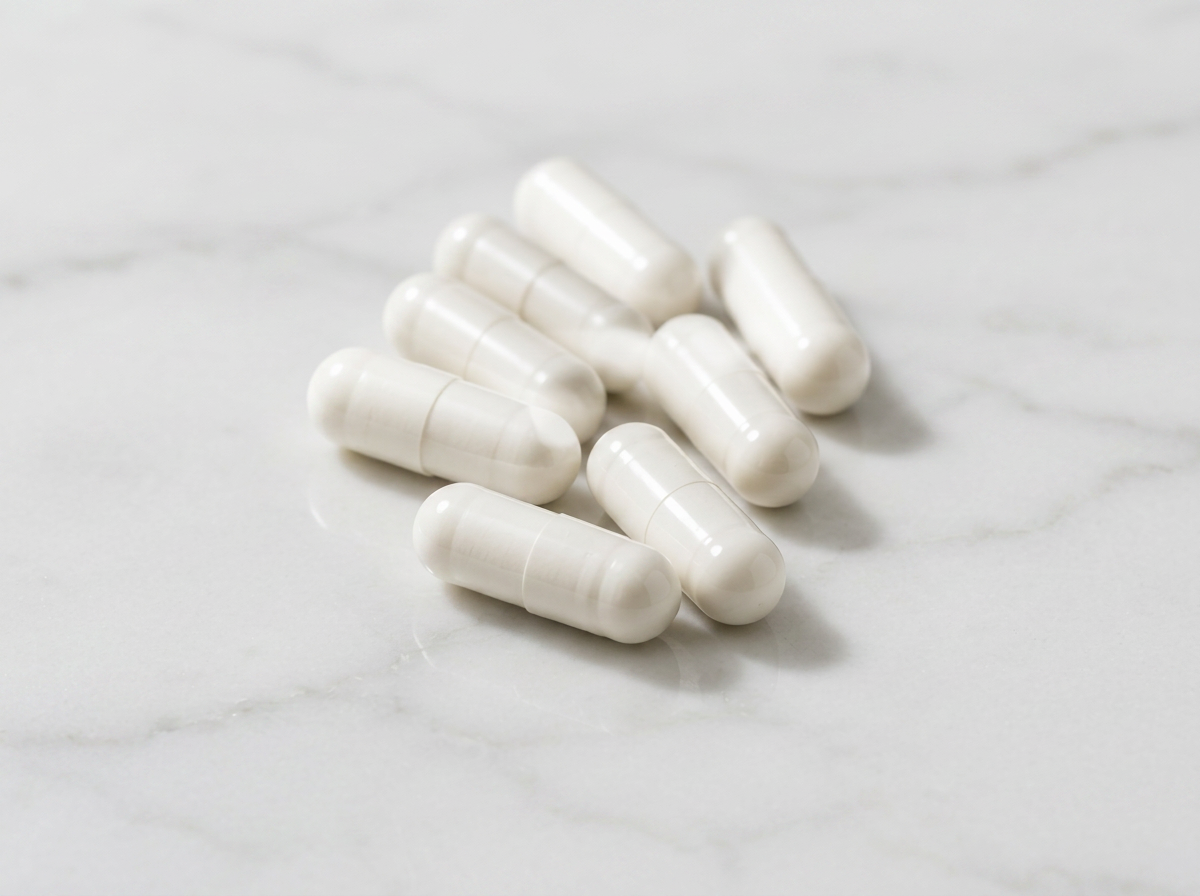
A hard capsule is a two-piece shell, usually gelatin or plant-based HPMC, filled with powder or granules. The powder isn't compressed into a solid mass, so capsules generally need fewer excipients. The main requirement is that the blend flows well enough to fill each shell accurately.
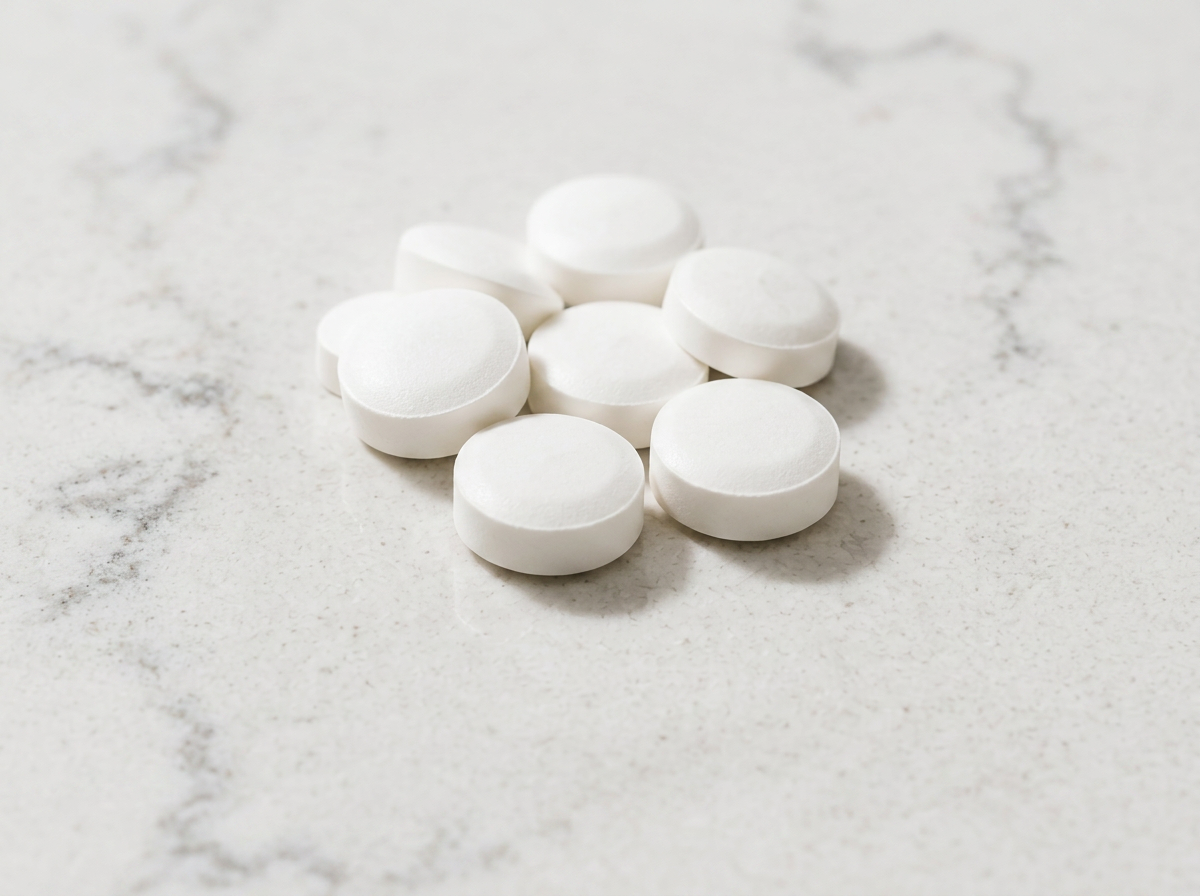
A tablet is powder compressed under high pressure into a solid unit. To make that work, the blend needs binders to hold it together, disintegrants to help it break apart after swallowing, and lubricants to keep it from sticking to the press. Many tablets are also coated to mask taste, ease swallowing, or protect ingredients from moisture.
Tablets also come in more variations. Chewable tablets suit customers who don't like swallowing pills. Effervescent tablets dissolve in water for a drink-style serving. Bilayer tablets can separate ingredients that don't get along in the same blend, and film or sugar coatings change the look, feel, and taste. Capsules have fewer variations, but they're easier to adjust: changing a capsule's fill often means tweaking a blend, while changing a tablet can mean new compression trials.
Capsule vs tablet: side-by-side comparison
| Factor | Capsules | Tablets |
|---|---|---|
| Dose per unit | Limited by shell volume | Higher; compression packs more into a unit |
| Excipients | Usually fewer | Binders, disintegrants, lubricants, often coating |
| Taste and odor | Shell masks most tastes | Coating needed for bitter or strong ingredients |
| Development | Simpler and faster | More work: compression, hardness, coating |
| Unit cost at scale | Moderate; shells add cost | Often lower at high volume |
| Vegetarian option | Yes, with HPMC shells | Yes, depending on excipients and coating |
| Variations | Delayed-release shells, liquid-filled | Chewable, effervescent, bilayer, extended-release |
| Swallowability | Smooth, lighter | Depends on size, shape, and coating |
Dose capacity
This is often the deciding factor. Because tablets are compressed, they can hold more material in a given size than a capsule. A formula that needs a high dose of a mineral or a bulky botanical may fit into two tablets where it would need three or four capsules. Capsule capacity depends on size and powder density. Our capsule sizes chart shows typical ranges.
That said, tablets have limits too. Very large tablets are hard to swallow, and customers notice. A compressed tablet that is technically possible may still be a poor product if people struggle to take it.
Capsule vs tablet absorption
Questions about capsule vs tablet absorption come up often, and the honest answer is that format alone doesn't determine it. Before a nutrient can be absorbed, the capsule or tablet has to disintegrate and the ingredient has to dissolve. Capsule shells generally open quickly once they're wet. Tablets depend on their formulation: a well-made tablet with the right disintegrants breaks apart readily, while an overly hard or poorly formulated tablet may not.
That's why disintegration testing matters. USP publishes disintegration and dissolution methods for dietary supplements, and a manufacturer can use them to confirm a product breaks down as expected. After disintegration, absorption depends mostly on the ingredient itself: its chemical form, solubility, dose, and whether it's taken with food. Those factors usually matter far more than whether it arrived in a capsule or a tablet.
For brands, this means two things. Don't make absorption claims based on format alone, since claims need substantiation under FTC standards. And do ask your supplier for disintegration data, especially for tablets.
Format decides whether a product breaks down properly. The ingredient decides most of what happens after that.
Capsule vs tablet vs caplet
A caplet is simply a tablet pressed into an elongated, capsule-like shape, usually with a smooth coating. The shape makes larger doses easier to swallow than a round tablet of the same weight. In the capsule vs tablet vs caplet comparison, caplets sit on the tablet side: they're compressed, they use the same excipients, and they carry the same dose advantages. They're a common choice for multivitamins and other high-dose formulas where a round tablet would be uncomfortably large.
Cost and development time
Capsules are usually faster to develop. If a powder blend flows and fills properly, a capsule product can move from formula to production with fewer variables to solve. Tablets require work on compression force, hardness, friability, disintegration, and often coating, and each formula may need specific tooling. That development cost is why tablet projects are often quoted per formula.
Stability deserves a mention here too. Both formats protect ingredients reasonably well, but they handle moisture differently. Gelatin capsule shells carry some moisture of their own, which can matter for very hygroscopic or moisture-sensitive fills; HPMC shells generally hold less. Tablets can be coated to add a moisture barrier. Either way, packaging with good seals and, where needed, desiccants does much of the protective work, and real stability data on your specific formula is what should set the expiration date.
At high volume, tablets can be cheaper per unit because they don't require a shell and presses run quickly. At lower volumes, the extra development work can offset those savings.
How to choose
A simple way to decide:
- Choose capsules when the dose fits comfortably in one or two capsules, you want a shorter ingredient list, the formula has a strong taste or smell, or you need a vegetarian option quickly.
- Choose tablets when the dose is high, you want a chewable or effervescent version, you need to fit more into fewer units, or you're producing at volumes where unit cost matters most.
- Consider a caplet when a high-dose tablet would be too big to swallow comfortably as a round tablet.
If neither fits, other formats may. Our format comparison guide covers gummies, softgels, powders, and more.
RV Pharma is a wholesale nutraceutical distributor carrying stock capsules and several other formats, with tablets and custom formulas quoted per formula. If you're comparing formats for a new product, see our tablet options or request an itemized quote.
Frequently asked questions
Do capsules absorb better than tablets?
Not necessarily. Capsule shells usually open quickly, and well-formulated tablets also disintegrate readily. Once the product breaks apart, absorption depends mostly on the ingredient's chemical form, solubility, dose, and whether it's taken with food. Format matters mainly when a tablet is poorly made and doesn't disintegrate properly, which disintegration testing can catch.
What is the difference between a caplet and a tablet?
A caplet is a type of tablet. It's compressed from powder like any tablet but shaped in an elongated, capsule-like form and usually coated. The shape makes larger doses easier to swallow than a round tablet of the same weight. Caplets use the same binders and excipients as other tablets.
Are tablets cheaper to make than capsules?
At high volume, tablets can be cheaper per unit because they don't need a shell and presses run quickly. But tablets require more development work on compression, hardness, disintegration, and coating, and may need formula-specific tooling. At lower volumes, capsules are often more economical overall and faster to bring to market.
Why do tablets have more inactive ingredients than capsules?
Tablets need binders to hold compressed powder together, disintegrants to help them break apart after swallowing, and lubricants to prevent sticking to the press. Many also have a coating. Capsules only need the blend to flow and fill accurately, so they often use fewer excipients and have shorter ingredient lists.
Sourcing a program in this category? A distribution specialist can walk through formats, MOQs, and lead times with you.
Request Wholesale Pricing