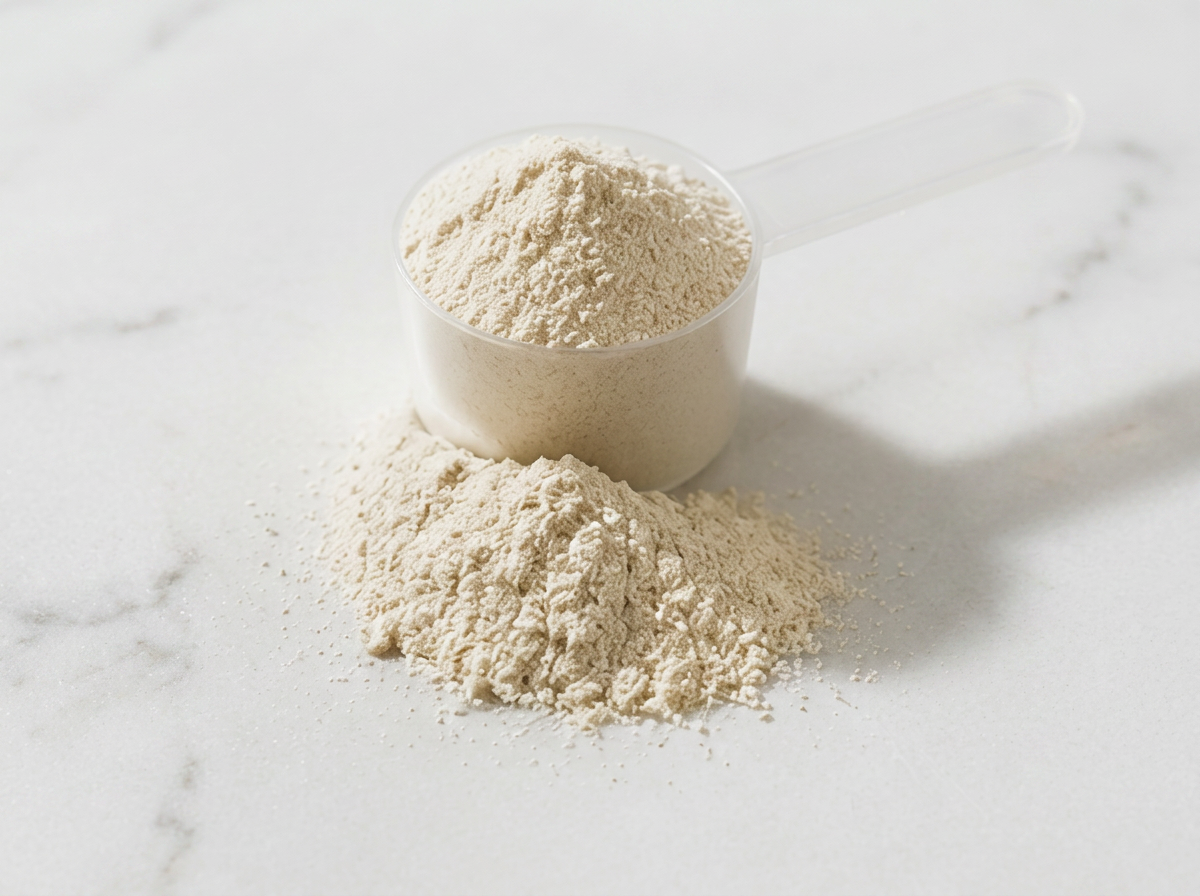
Chewable Tablets: The Overlooked Format Between Gummies and Tablets
Chewable tablets carry more active per piece than gummies and hold up better in heat, yet they get less attention. Here is how the format works and when it makes sense to stock.
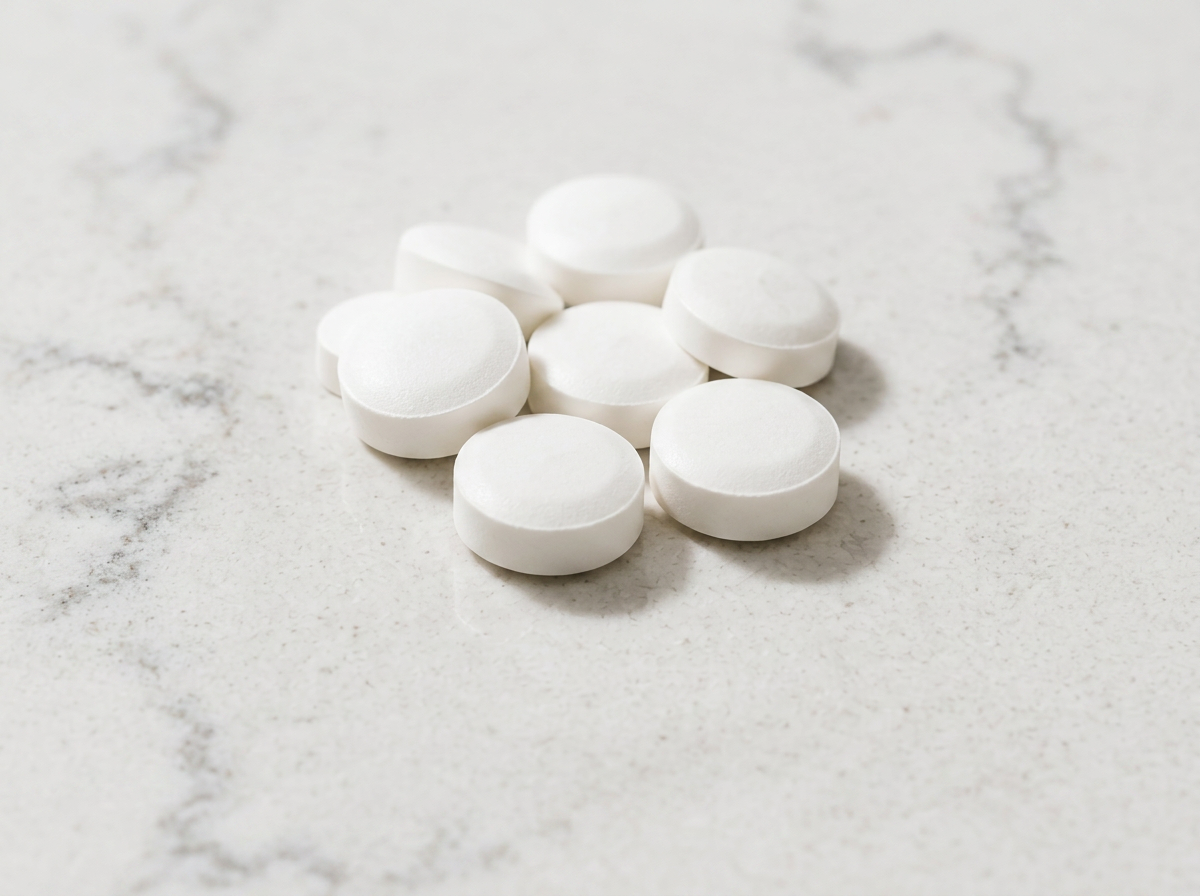
Chewable tablets tend to get overlooked. Gummies grabbed most of the attention in the non-pill space over the past decade, and standard tablets remain the workhorse for high-potency multis. Yet chewables sit in a useful middle position: pleasant enough for people who dislike swallowing pills, but dense and stable enough to carry doses that are hard to fit into a gummy.
For buyers building an assortment, understanding what chewables do well, and where they fall short, helps you fill gaps that neither gummies nor swallowable tablets cover.
How Chewable Tablets Are Made
A chewable tablet is a compressed tablet designed to be broken down in the mouth rather than swallowed whole. Like a standard tablet, it is made by blending powders and compressing them on a tablet press. The difference is in the formulation and the compression targets.
- The base usually relies on sugar alcohols such as mannitol, sorbitol, or xylitol, or on sugars like dextrose, which give a pleasant mouthfeel and sweetness.
- Flavors and sweeteners are used at higher levels than in swallowable tablets, because the consumer tastes everything.
- Compression hardness is set lower so the tablet chews easily, while still being firm enough to survive bottling and shipping.
- Many chewables skip a coating, since the consumer tastes the tablet itself, not a film around it.
Because the tablet is chewed, bitter or metallic ingredients have to be masked. Minerals, B vitamins, and many botanicals are the hardest to hide, and that masking challenge is one of the main reasons chewables are formula-specific rather than one-size-fits-all.
Chewable Tablets vs. Gummies vs. Standard Tablets
The best way to see where chewables fit is to compare them directly with their neighbors. Our gummy vs. tablet comparison goes deeper on those two, but the summary below adds chewables to the picture.
| Factor | Gummies | Chewable Tablets | Standard Tablets |
|---|---|---|---|
| Active capacity per piece | Low to moderate | Moderate to high | High |
| Heat and humidity tolerance | Sensitive | Good | Good |
| Taste exposure | Full, designed as a treat | Full, flavor masking needed | Minimal, usually coated |
| Ease for pill-averse consumers | Very easy | Easy | Difficult |
| Minerals like calcium | Hard to fit meaningful doses | Workable | Workable |
| Typical shelf appeal | High, especially for kids | Moderate | Functional |
The standout advantage is capacity. A gummy has limited room once gelling agents, sugars, and flavors are accounted for, which is why many gummy multivitamins leave out minerals or include them at low levels. Chewables can carry considerably more active material per piece, which makes them a practical option for calcium, higher-potency vitamin C, and fuller multivitamin profiles.
The second advantage is stability. Gummies can soften, stick, or deform in heat, which creates problems in summer shipping and in warm stores. Chewables are generally more forgiving in transit and on shelf, though they still need protection from moisture.
Where Chewable Vitamins Wholesale Programs Perform
Chewable vitamins wholesale demand is steady rather than trend-driven, and it shows up in predictable places.
- Children's vitamins, where chewables have a long history and parents know the format.
- Calcium and calcium with vitamin D products, where the dose is too large for a practical gummy.
- Antacid-adjacent and digestive products sold in pharmacy aisles.
- Adult multivitamins for customers who want a complete mineral profile without swallowing a large tablet.
- Vitamin C chewables, a familiar format in pharmacy and grocery.
For pharmacies and grocers, chewables can be a quiet margin contributor because customers who use them tend to repurchase. For e-commerce sellers, chewables ship more reliably than gummies in hot months, which can reduce returns and complaints.
Chewables do the job gummies can't when the dose gets too big for a gummy to hold.
What to Ask a Chewable Supplement Manufacturer
Whether you are sourcing finished product or developing a formula with a chewable supplement manufacturer, a few questions separate a good chewable from a chalky one.
- Ask for finished samples, not just a spec sheet, and taste them after a few weeks in the bottle, since flavor can shift over time.
- Confirm tablet size and weight. An oversized chewable is tiring to chew and may be rejected by consumers.
- Review the sweetener system. Sugar alcohols such as sorbitol and mannitol can have a laxative effect in larger amounts, and labels may need a related statement depending on expected consumption.
- Check hardness and friability specifications to make sure tablets arrive intact rather than chipped or powdery.
- Request a lot-specific Certificate of Analysis and confirm lot and expiration coding on bottle and case.
A practical note: xylitol is a popular chewable sweetener, and it is toxic to dogs. That is not a regulatory issue for a human supplement, but some retailers and brands choose to add storage guidance or avoid xylitol in family products for that reason.
Labeling and Compliance Considerations
Chewables are dietary supplements like any other format, so the usual rules under DSHEA and 21 CFR Part 101 apply. The Supplement Facts panel must list serving size, the amount per serving, and percent Daily Value where one is established. For children's products, the panel may present values for specific age groups.
Products that contain iron need the federally required accidental-overdose warning, and packages above a set elemental iron threshold must use child-resistant packaging. Because chewables are commonly marketed for kids and can carry meaningful mineral levels, this is an area to check on every SKU. Any structure/function claim needs the standard FDA disclaimer and supporting evidence.
Is a Chewable Program Right for Your Assortment?
If your set already leans on gummies, chewables are worth considering for the products where gummies struggle: minerals, high-dose single nutrients, and products that must survive warm shipping lanes. If your set leans on standard tablets, chewables give pill-averse customers a way to stay in the category. A small number of well-chosen SKUs is usually enough to test demand.
One more practical point: chewables are usually priced between gummies and standard tablets on a per-serving basis, and they tend to be more forgiving on shipping costs than gummies because they are denser and less heat sensitive. For retailers with limited space, that combination of steady demand and easy handling makes a small chewable set a low-risk addition. Start with the products where the format clearly outperforms gummies, such as calcium and complete children's multis, then expand if sell-through supports it.
How RV Pharma Approaches Tablet Programs
RV Pharma is a wholesale nutraceutical distributor supplying retailers, pharmacies, distributors, and e-commerce businesses across North America. Tablets, including chewable formulas, are quoted per formula through a custom quotation, with private-label, packing, and distribution programs available. Supply is cGMP compliant, FDA registered, and third-party tested, with lot-specific COAs on request. You can review tablet options or request a quote to start the conversation.
Frequently asked questions
What is the difference between a chewable tablet and a gummy?
A chewable tablet is a compressed powder tablet designed to be chewed, usually built on sugar alcohols or sugars. A gummy is a gelled confection made with pectin or gelatin. Chewables generally hold more active ingredient per piece and tolerate heat better, while gummies offer a more candy-like experience that many consumers prefer.
Are chewable tablets good for kids?
Chewable tablets have a long history in children's vitamins, and many parents are familiar with the format. Products for children should be dosed for the intended age group, labeled with appropriate warnings, and stored out of reach. Anything containing iron needs the required overdose warning and may need child-resistant packaging.
Do chewable tablets have sugar?
Some do and some don't. Many chewables use sugar alcohols such as mannitol, sorbitol, or xylitol, which add sweetness with fewer sugars, while others use dextrose or sucrose. The Supplement Facts panel lists total carbohydrates and sugars when present in reportable amounts, so buyers can compare products directly.
How long do chewable tablets last on the shelf?
Chewable tablets are generally stable, with expiration dates often in the range of two years or so from manufacture, depending on the formula and packaging. They still need protection from moisture, so bottles with good seals and desiccants help. Always check the expiration date printed on the bottle and case.
Sourcing a program in this category? A distribution specialist can walk through formats, MOQs, and lead times with you.
Request Wholesale Pricing