Effervescent Tablets: How They Work and Where They Sell
Effervescent tablets turn a serving into a drink, which shoppers like, but the format is unforgiving about moisture. Here is how they work, how they're packaged, and where they sell.
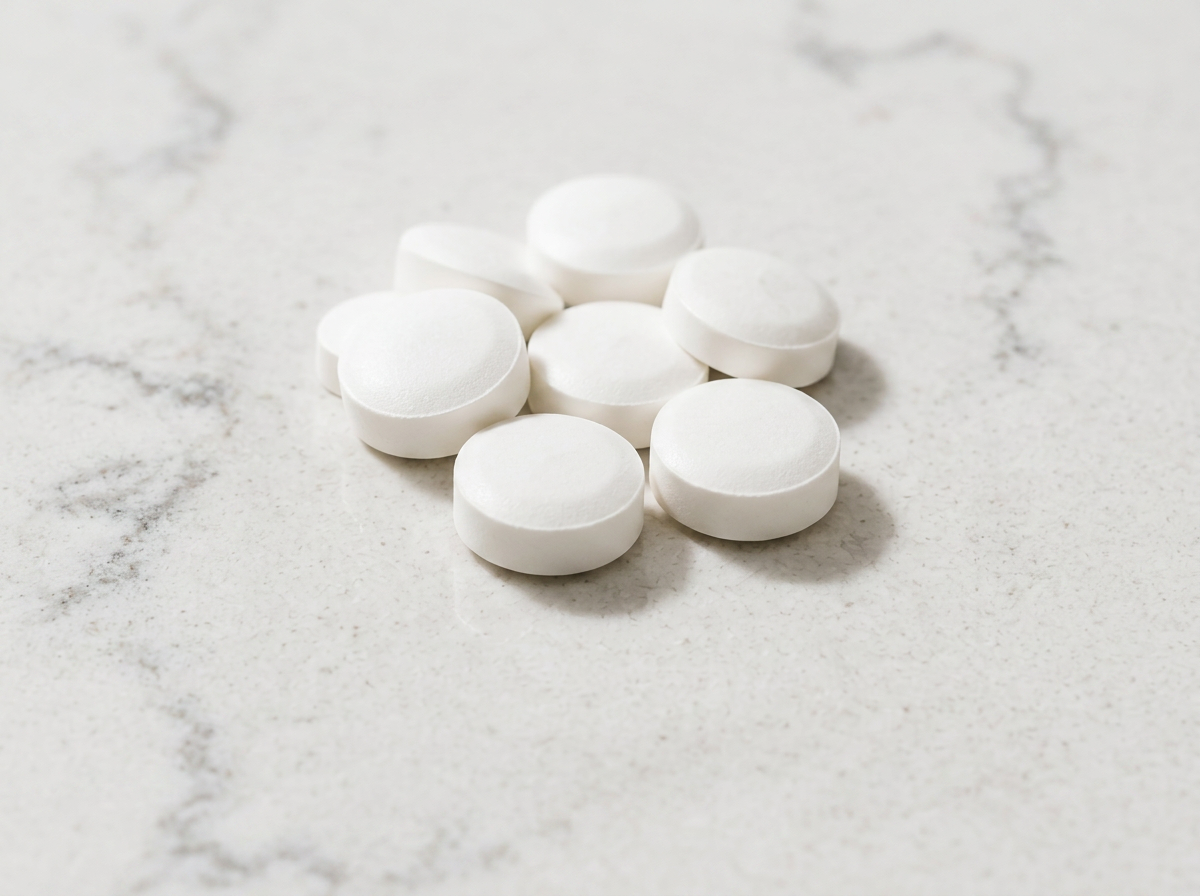
Effervescent tablets are one of the few supplement formats that change form in front of the customer. Drop one in a glass of water, it fizzes for a minute or two, and the result is a flavored drink. That ritual is part of the appeal, and it is why the format has held a place in pharmacy and grocery aisles for decades.
For buyers, effervescents are a distinctive but demanding category. The chemistry that makes them fizz also makes them sensitive to humidity, and that sensitivity drives everything from manufacturing conditions to packaging to how long the product stays good once opened.
How Effervescent Tablets Work
An effervescent tablet contains an acid and a base that stay dry and inert until they meet water. The most common pairing is citric acid with sodium bicarbonate, sometimes with potassium bicarbonate or sodium carbonate. When the tablet hits water, the acid and base react and release carbon dioxide, which creates the fizz and breaks the tablet apart quickly.
The active ingredients, whether vitamin C, electrolytes, B vitamins, or a blend, dissolve into the water along with flavors and sweeteners. Because the consumer drinks the full glass, taste matters in the same way it does for powders and liquids.
- Tablets are usually large, often around the size of a coin, because the effervescent system takes up a significant share of the weight.
- Sweeteners are commonly high-intensity options such as sucralose, stevia, or acesulfame potassium to keep sugars low.
- Lubricants must be water-soluble so the drink doesn't end up with a film or residue on top.
- The finished drink should be clear or evenly cloudy, not gritty.
Why Moisture Is the Main Risk
The same reaction that happens in the glass can start slowly in the tube if the tablets pick up moisture. Even a small amount of humidity can trigger a partial reaction, causing tablets to swell, lose their fizz, stick together, or discolor. That is why effervescent tablets are typically manufactured in controlled low-humidity rooms and packed quickly.
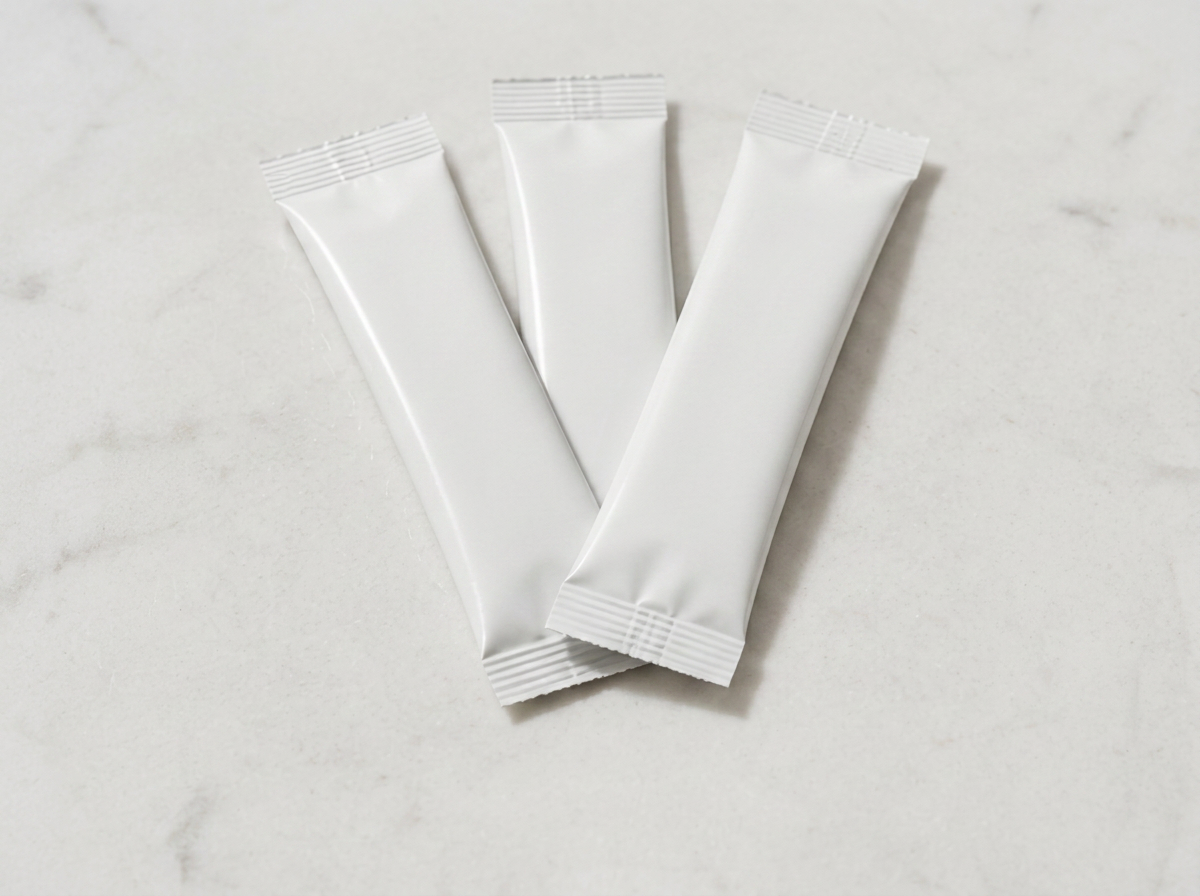
Packaging follows the same logic. The most common formats are rigid tubes with desiccant caps and individually sealed foil strips or sachets. A tube with a desiccant cap works well as long as the customer closes it properly after each use. Foil packs protect each tablet until it is opened, which is useful for travel and single-use sales, though it adds cost.
| Packaging | Moisture Protection | Best Use | Tradeoff |
|---|---|---|---|
| Tube with desiccant cap | Good while closed | Everyday retail, multi-serving | Protection drops if the cap is left loose |
| Foil strips or blisters | Excellent per tablet | Pharmacy, travel, premium SKUs | Higher packaging cost |
| Individual foil sachets | Excellent per tablet | Sampling, hospitality, single-serve | Most material per serving |
Buyers should ask how the product was tested for stability in its final packaging and whether the expiration date reflects that testing. For more on how packaging protects supplements generally, see our packaging options guide.
Effervescent Vitamin C and Other Top Sellers
Effervescent vitamin C is the anchor of the category. It is familiar to shoppers, often positioned around seasonal wellness, and commonly sold in 1,000 mg servings. Around it, a handful of other product types sell consistently.
- Vitamin C blends, often with zinc or vitamin D, sold heavily in cold-weather months.
- Electrolyte and hydration tablets for sports, travel, and outdoor use.
- B vitamin and energy-positioned tablets, sometimes with caffeine from natural sources.
- Multivitamin effervescents for consumers who prefer drinking their daily vitamins.
- Calcium and magnesium tablets, where the drink format avoids large swallowable pills.
Effervescent vitamin C and immune-positioned blends see their strongest demand ahead of fall and winter, so buyers usually plan inventory well in advance. Our guide to planning immunity-season inventory covers timing in more detail.
An effervescent tablet is only as good as the seal that kept humidity out before it hit the glass.
Labeling Points Specific to Effervescents
Effervescent supplements follow the same DSHEA and 21 CFR Part 101 rules as other dietary supplements, but a few details deserve extra attention.
- Sodium. Sodium bicarbonate contributes sodium, sometimes a meaningful amount per tablet. Sodium must be declared on the Supplement Facts panel when present in a reportable amount, and some customers actively watch their intake, so the number matters at retail.
- Directions. The label should specify how much water to use and that the tablet should be dissolved rather than swallowed whole or chewed.
- Storage. Instructions to keep the tube tightly closed and store in a dry place are standard and worth confirming.
- Claims. Immune or energy language must stay within structure/function boundaries, carry the FDA disclaimer, and be supported by evidence as the FTC expects.
Choosing an Effervescent Tablet Manufacturer
Effervescent production is more specialized than standard tableting, so not every facility runs it. When evaluating an effervescent tablet manufacturer or a distributor sourcing from one, focus on these points.
- Humidity control in blending, compression, and packing areas, and how it is monitored.
- Stability data in the final package at real-world conditions, supporting the printed expiration date.
- Dissolution time and appearance of the finished drink, verified by sampling several lots.
- cGMP compliance under 21 CFR Part 111, with lot-specific COAs covering identity and potency.
- Lot and expiration coding on both the tube or strip carton and the shipping case.
Custom effervescent development takes planning, since flavor, sweetener, and effervescent balance all need to be tuned together. Expect sampling rounds before a formula is finalized.
Where Effervescent Tablets Sell
The format is strongest in pharmacy, grocery, and mass retail, where shoppers already recognize it. It also performs in travel retail, convenience settings, and online, where tubes ship well and resist crushing better than many packages. Tubes are also relatively compact, which helps both shelf density and freight efficiency. For retailers without an effervescent in their set, one vitamin C SKU and one hydration SKU are usually enough to test the category.
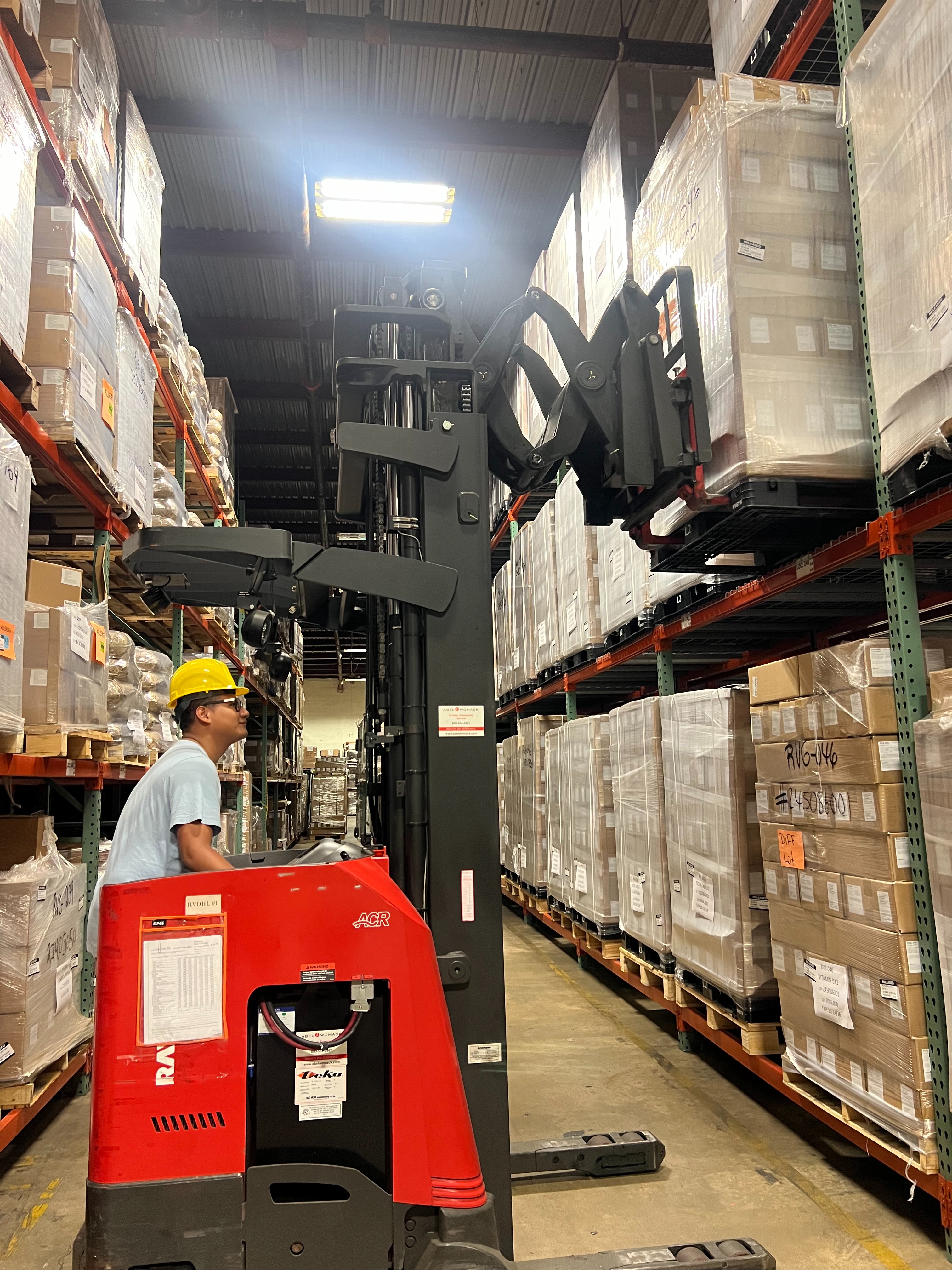
Online, effervescents benefit from clear photography of the tablet dissolving and simple explanations of how to use them, since some shoppers have never tried the format. Multipacks of tubes are common and help raise order value. Whatever the channel, the same moisture rules apply in the stockroom: keep cases away from humid areas, rotate stock by expiration date, and avoid opening cases until product is ready to go on shelf.
How RV Pharma Fits In
RV Pharma is a wholesale nutraceutical distributor supplying retailers, pharmacies, distributors, and e-commerce businesses across North America. Tablet programs, including specialty formats, are quoted per formula through a custom quotation, and private-label, packing, and distribution services are available. All supply is cGMP compliant, FDA registered, and third-party tested. Reach the team through the quote page or at 631-730-7724.
Frequently asked questions
How do effervescent tablets work?
Effervescent tablets combine a dry acid, usually citric acid, with a base such as sodium bicarbonate. When the tablet is dropped into water, the two react and release carbon dioxide, which produces the fizz and breaks the tablet apart. The vitamins, minerals, flavors, and sweeteners dissolve into the water, creating a drink.
Is effervescent vitamin C better than a regular tablet?
Effervescent vitamin C is mainly a preference choice. It suits people who dislike swallowing pills or prefer a drink, and it dissolves fully before consumption. It often contains added sodium from the effervescent base, which some customers monitor. Buyers should avoid claiming superior absorption unless the specific product has evidence to support it.
Why do effervescent tablets go bad?
Moisture is the usual cause. Humidity can start the acid-base reaction inside the package, making tablets swell, stick, discolor, or lose their fizz. Keeping tubes tightly closed, using desiccant caps, and storing product in a cool, dry place helps the tablets last through their printed expiration date.
Sourcing a program in this category? A distribution specialist can walk through formats, MOQs, and lead times with you.
Request Wholesale Pricing