Contract Supplement Manufacturers: How Contract Manufacturing Agreements Work
What a contract supplement manufacturer actually does, how the agreements are structured, and which clauses protect a brand when a batch fails, a supplier changes, or a recall comes up.
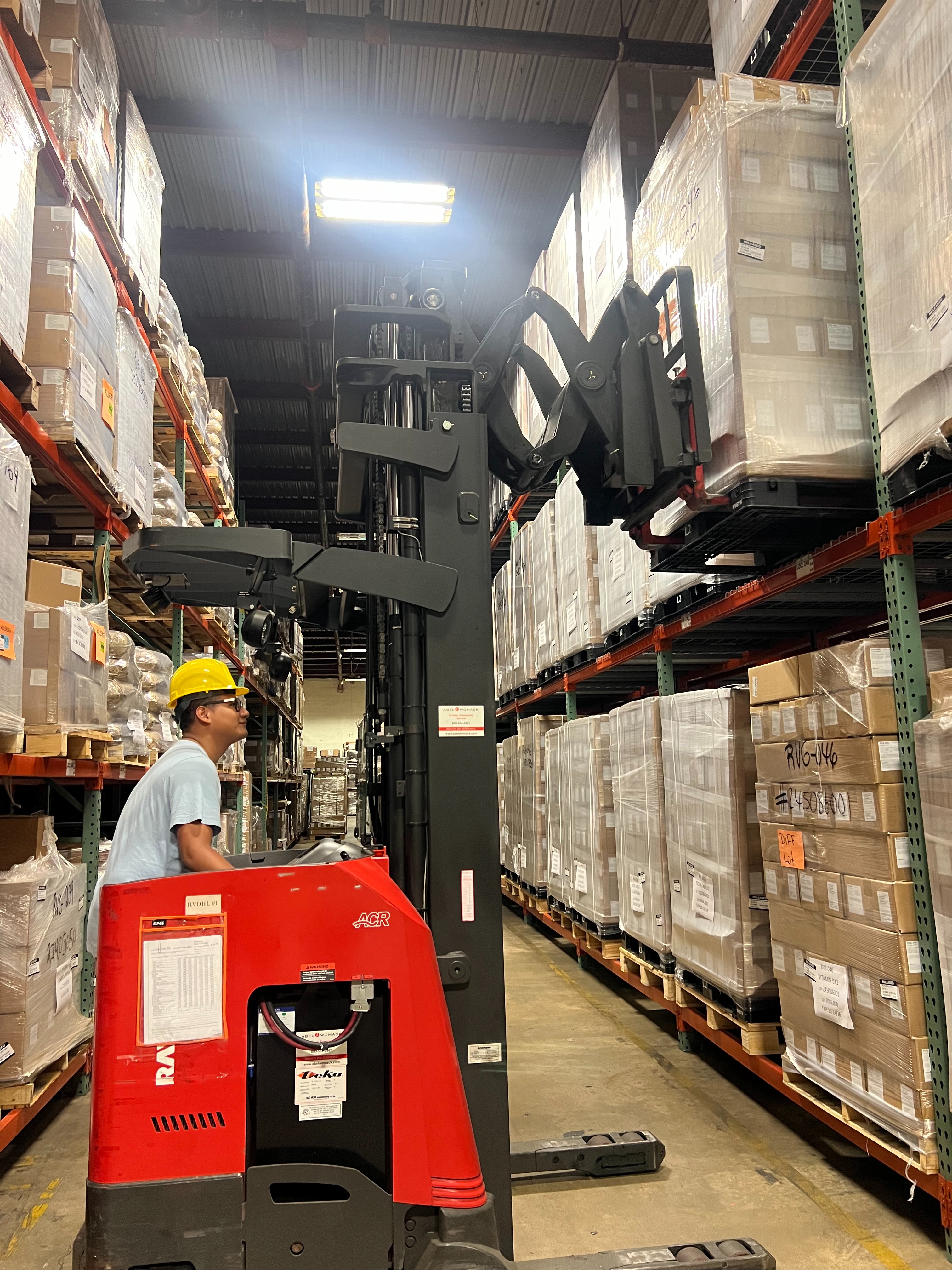
A contract supplement manufacturer makes product to your specifications under your brand, while you handle marketing, sales, and the customer relationship. It's how most supplement brands operate. Very few own the blending rooms, encapsulation lines, or gummy depositors behind their products.
The arrangement works well when both sides know exactly who is responsible for what. It goes badly when those responsibilities live in email threads instead of a signed agreement. This guide covers how contract manufacturing is structured, what the key documents say, and where brands most often get caught out.
What a contract supplement manufacturer does
In contract manufacturing, the brand owns the formula (or licenses it), sets the specifications, and owns the label. The manufacturer sources raw materials, tests them, produces the batch, packages it, and releases it against those specifications. Some manufacturers also offer formulation help, label review, and fulfillment. Others simply run your formula and ship bulk or finished goods.
That's different from stock private label, where you pick an existing formula and put your label on it. We cover that distinction in our private label manufacturing guide. Contract work usually means a custom or semi-custom formula, which brings formulation, pilot runs, and stability work into the picture.
Specialized manufacturers by format
Many contract manufacturers specialize. A gummy supplement contract manufacturer runs cooking, depositing, and curing equipment that has nothing in common with a tablet press. Soft gel capsule contract manufacturing relies on rotary die encapsulation, which few general facilities have in-house. Brands with products in several formats often end up working with more than one manufacturer, or with a partner who coordinates several.
The documents behind a contract manufacturing relationship
A typical relationship involves several documents, each doing a different job.
| Document | What it covers |
|---|---|
| NDA / confidentiality agreement | Protects formulas, pricing, and business information shared during quoting |
| Manufacturing or supply agreement | Pricing, forecasts, ordering, payment terms, liability, insurance, termination |
| Quality agreement | Who tests what, specifications, deviations, change control, complaints, recalls |
| Product specification | Identity, potency, physical attributes, micro and heavy metal limits for the finished product |
| Purchase order | The specific quantity, price, and delivery date for each run |
The quality agreement is the one brands most often skip, and it's the one that matters most when something goes wrong. It turns general promises into specific, assigned responsibilities.
Who is responsible under cGMP
Under 21 CFR Part 111, cGMP obligations apply to anyone who manufactures, packages, labels, or holds a dietary supplement. FDA has made clear that a brand that contracts out manufacturing can't hand off all responsibility with the work. The brand still needs to make sure the product it sells meets its specifications and is properly labeled, and it's the brand's name on the label that customers and regulators see.
In practice that means the brand should:
- Approve the finished product specification and hold a copy
- Review batch records or at least the certificate of analysis for each lot before release to market
- Qualify the manufacturer, through an audit, a third-party certification like NSF/ANSI 455-2, or both
- Own the label content, including Supplement Facts, claims, and the required FDA disclaimer for structure/function claims
- Keep complaint and serious adverse event reporting processes in place, since the party named on the label handles those reports
You can outsource the manufacturing, but not the accountability for what's in the bottle.
Key clauses to negotiate
Specifications and acceptance
Spell out what makes a batch acceptable and what happens if it isn't. Who pays for a batch that fails potency? Does the manufacturer remake it, credit it, or both? How long do you have to raise a defect after delivery?
Overages and yield
Manufacturers routinely add overages to actives that degrade over time, especially in gummies and liquids, so the product still meets label claim at expiration. Agree on how overages are set and who pays for them. Also agree on acceptable yield. A run of 10,000 units ordered rarely delivers exactly 10,000, and the agreement should say what variance is acceptable and how you're billed for it.
Intellectual property
If the manufacturer's team developed your formula, confirm in writing who owns it. Without clear language you may find you can't move production elsewhere. The same goes for artwork, label files, and any stability data generated on your product.
Change control
The manufacturer should notify you before changing a raw material supplier, an excipient, a process step, or a testing lab. Some changes are harmless, but some affect stability, allergen status, or claims like vegan or non-GMO.
Liability, insurance, and recalls
Require product liability insurance naming you as an additional insured, and set out how recall costs are shared depending on who caused the problem. Most retailers will also require your own coverage, so check both.
How pricing and minimums work
Contract pricing is usually built from raw material costs, labor and machine time, packaging components, testing, and margin. Setup costs like tooling, printing plates, and stability studies may be billed separately. Minimums depend on batch size, which is set by the equipment. A large blender or gummy line has a practical minimum run below which the economics don't work.
Timelines on custom projects vary widely based on ingredient availability, formula complexity, testing, and the manufacturer's schedule. Treat any single number you hear early in the process as an estimate, and ask what could push it out. Our article on supplement lead times explains the usual bottlenecks.
Forecasts and capacity
Most manufacturers ask for a rolling forecast, often several months out, so they can buy raw materials and reserve line time. Clarify whether the forecast is binding. Some agreements require you to pay for materials purchased against your forecast if you don't place the order. That's reasonable for custom ingredients, but you should know about it before you sign rather than after a product slows down.
When contract manufacturing isn't the right first step
Not every brand needs a contract manufacturer at launch. If your formula is close to something widely available, stock product in an established format can get you to market faster with lower minimums and less capital tied up in inventory. Many brands start there, learn what sells, and move their best performers to custom contract manufacturing once volume justifies it.
RV Pharma is a wholesale nutraceutical distributor offering stock products across gummies, capsules, softgels, tablets, and other formats, along with private-label, packing, and distribution programs. Custom formulas are quoted per formula, so if you're weighing stock product against a contract run, request a quote and we'll lay out the options side by side.
Frequently asked questions
What is a contract supplement manufacturer?
A contract supplement manufacturer produces dietary supplements for other companies under those companies' brands. The brand usually owns the formula and label and handles sales and marketing, while the manufacturer sources ingredients, runs production, tests, and packages the product to the brand's specifications. The relationship is typically governed by a supply agreement and a separate quality agreement.
Is a brand responsible for cGMP if it uses a contract manufacturer?
Yes, to a meaningful degree. FDA expects a brand that contracts out manufacturing to make sure the product it markets meets specifications and is properly labeled. That means qualifying the manufacturer, approving specifications, reviewing lot documentation before release, and running complaint and adverse event processes. A quality agreement helps document who does what.
What is a quality agreement in supplement manufacturing?
A quality agreement is a document that assigns quality responsibilities between a brand and its manufacturer. It covers specifications, testing, batch release, deviations, change control, complaints, and recalls. It sits alongside the commercial supply agreement and is often the most useful document when a batch fails or a customer reports a problem.
Who owns the formula in contract manufacturing?
It depends on the agreement. If the brand brings its own formula, it generally keeps ownership. If the manufacturer's formulators develop it, ownership should be set out in writing before work starts. Without clear terms, a brand may have trouble moving production to another facility later.
Sourcing a program in this category? A distribution specialist can walk through formats, MOQs, and lead times with you.
Request Wholesale Pricing