Custom Supplement Manufacturing: When a Custom Formula Is Worth It
Custom formulas can set a brand apart, but they cost more and take longer. Here's how to decide when working with a custom supplement manufacturer is worth it and when stock product is the smarter move.
Every brand founder eventually asks the same question: should we build our own formula, or sell something proven under our label? Working with a custom supplement manufacturer gives you a product nobody else has. It also means more upfront cost, higher minimums, and a longer road to launch. The right answer depends less on ambition and more on your channel, your volume, and how much the formula itself drives the sale.
This article lays out what custom manufacturing involves, what it costs you beyond the unit price, and a few practical tests for deciding whether it's worth it.
What working with a custom supplement manufacturer involves
A custom project starts with a concept: the ingredients you want, the amounts per serving, the format, and any positioning requirements like vegan, sugar-free, or free of major allergens. From there the manufacturer's formulation team checks feasibility. Will those amounts physically fit in two capsules? Will that botanical extract taste acceptable in a gummy? Will the vitamin C hold potency in a liquid for two years?
Once the formula is settled, the usual sequence looks like this:
- Formula review and feasibility, including ingredient sourcing and cost estimate
- Bench samples or a pilot batch to check taste, appearance, and fit
- Specification setting for the finished product
- Stability testing to support an expiration date
- Label and Supplement Facts panel development
- First production run, testing, and release
Our supplement formulation guide goes deeper on the formulation stage itself.
The real costs of a custom nutritional supplement
The unit price of a custom nutritional supplement is only part of the cost. Custom work carries several expenses that stock product doesn't.
| Cost area | Stock / private label | Custom formula |
|---|---|---|
| Formulation | Already done | Formulation time, samples, revisions |
| Raw materials | Purchased at scale across many brands | Bought for your batch, sometimes with ingredient minimums |
| Minimum order | Lower, since the product already exists | Higher, set by batch size |
| Stability data | Usually already exists | Must be generated for your formula |
| Time to market | Short | Longer and more variable |
| Differentiation | Shared formula | Unique to your brand |
Ingredient minimums catch many first-time brands off guard. If your formula calls for a branded extract at a small dose, you may have to buy far more of that ingredient than one batch uses. The leftover either sits in inventory or pushes you toward a bigger run than you planned.
When a custom formula is worth it
Custom manufacturing tends to pay off in a few specific situations.
The formula is the product
If your marketing depends on a specific combination, a specific dose, or a branded ingredient, a stock formula won't let you say what you need to say. Brands built around a clear point of difference usually need their own formula eventually.
You have proven demand
The safest path is to validate the category first. Many brands launch with stock or private label product, learn what sells and at what price, then move a best-seller to a custom formula once they know the volume can absorb higher minimums.
A retailer or channel requires it
Some retail programs want an exclusive formula that isn't sold elsewhere. That usually means a custom or modified formula, and the retailer's volume often helps justify the minimums.
Your margins can absorb it
Custom products can cost more per unit at lower volumes. If your channel pricing is tight, a stock formula may be the only way the numbers work until volume grows.
A custom formula is a business decision first and a product decision second.
When stock product is the smarter move
Stock product makes sense when the category is well established, customers shop by ingredient and price, and speed matters. A standard multivitamin gummy, a common single-ingredient softgel, or a basic capsule in a crowded category rarely wins on formula alone. In those cases, your label, your channel strategy, and your pricing do more work than a small formula tweak would. For a side-by-side look, see white label vs. private label.
The middle ground: modified stock formulas
Custom and stock aren't the only two options. Some brands start from an existing formula and make targeted changes: a different flavor, a higher dose of one ingredient, a swap from gelatin to pectin, or a change in count per bottle. Depending on the manufacturer, these modifications can carry lower minimums and shorter timelines than a formula built from scratch, because much of the development and stability work already exists. Ask whether the change you want affects stability or labeling, since even a small edit can require a new Supplement Facts panel and fresh testing. It's often the fastest way to get a product that feels like yours without taking on the full cost of original development.
Custom capsule manufacturing and other formats
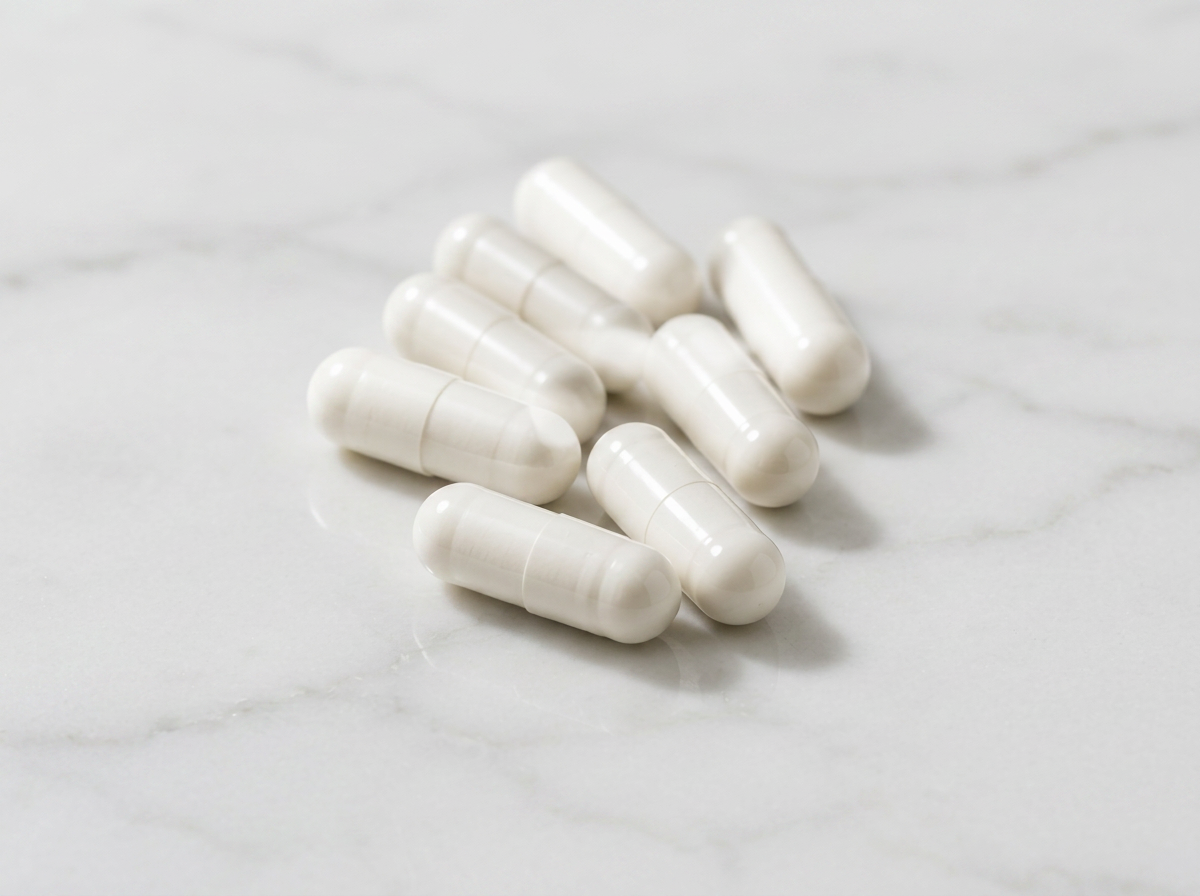
Format affects how practical custom work is. Custom capsule manufacturing is often the most flexible entry point because capsules accept a wide range of powders with relatively simple processing, and the fill can be adjusted without reworking a complicated recipe. Tablets add compression and coating work, and each formula needs its own tooling and testing. Gummies are the least forgiving: heat, moisture, pH, and flavor all interact with the actives, so formulation and stability take more effort. Softgels require oils or oil-compatible suspensions and specialized encapsulation equipment.
How to compare custom supplement manufacturers
When you're comparing custom supplement manufacturers, look past the headline price. Ask how they handle ingredient minimums, how many sample rounds are included, who owns the formula when the work is done, and what their stability program looks like. Ask what testing each finished lot receives and whether you'll get a lot-specific certificate of analysis. Then compare quotes that are itemized the same way, so you're not comparing a quote that includes stability testing against one that doesn't.
Also confirm the regulatory basics. Any new dietary ingredient not marketed in the U.S. before October 15, 1994 may need a premarket notification to FDA, and your claims need substantiation regardless of who made the formula. A good custom partner will flag these issues early.
RV Pharma carries stock product in gummies, capsules, softgels, and several other formats, and quotes tablets and custom formulas per formula. If you're weighing a custom build against a proven stock option, send us your concept and we'll help you compare the two on cost, minimums, and timing.
Frequently asked questions
What does a custom supplement manufacturer do?
A custom supplement manufacturer develops and produces a formula to a brand's specifications rather than selling an existing stock product. The work typically covers feasibility review, samples, specification setting, stability testing, and production. The brand usually supplies the concept and approves the formula and label, while the manufacturer handles sourcing, production, and testing.
Is custom supplement manufacturing more expensive than private label?
Usually, at least at first. Custom formulas carry formulation and sampling time, possible ingredient minimums, stability testing, and higher batch minimums. Stock private label products spread those costs across many buyers. At high volume, a custom formula can become cost-competitive, but at low volume stock product is typically cheaper per unit and faster to launch.
Should a new brand start with a custom formula?
Many don't. A common approach is to launch with stock or private label products, learn which categories and price points sell, and then move top performers to a custom formula once demand is proven. Starting custom makes more sense when the formula itself is the main reason customers will buy.
Which supplement format is easiest for custom formulas?
Capsules are often the most flexible starting point because they hold a wide range of powders with relatively simple processing. Tablets need compression and coating development, softgels need oil-based fills and specialized equipment, and gummies require the most formulation work because heat, moisture, and flavor all affect the actives.
Sourcing a program in this category? A distribution specialist can walk through formats, MOQs, and lead times with you.
Request Wholesale Pricing