Electrolyte Powder Private Label: A Wholesale Guide to Stick Packs
Hydration stick packs are one of the busiest corners of the powder aisle. Here is what buyers and brands should know about formulation, labeling path, packaging, and channels.
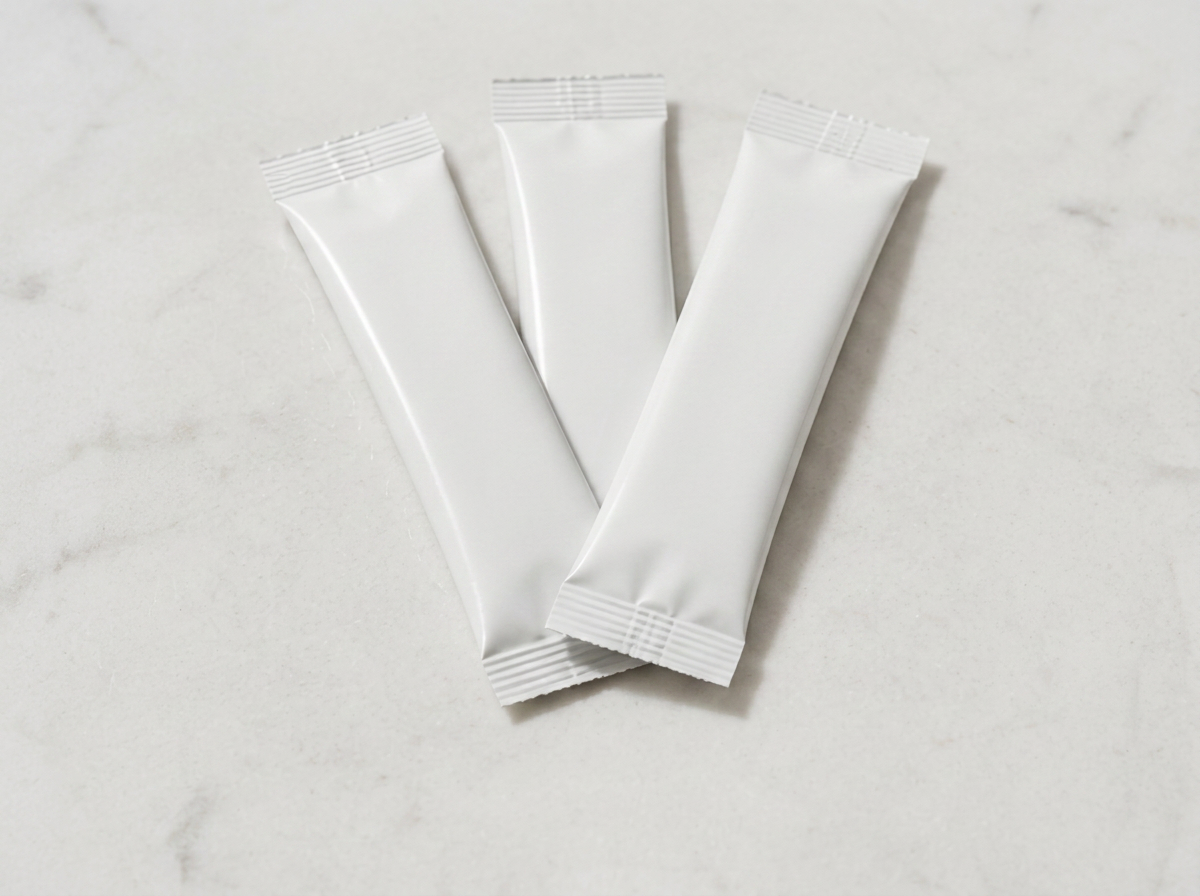
Electrolyte powders have moved from the sports nutrition shelf into grocery, pharmacy, convenience, travel retail, and nearly every online marketplace. For brands considering electrolyte powder private label programs, and for retailers deciding which hydration SKUs to carry, the single-serve stick pack has become the default format. It is portable, easy to merchandise, and simple for customers to understand: tear, pour, shake, drink.
The category looks easy from the outside, but a good electrolyte product depends on a few decisions made early: how it is regulated and labeled, what goes into the formula, and how the powder is protected inside a thin film pouch.
Why Hydration Stick Packs Are Growing
Hydration stick packs appeal to several customer groups at once. Athletes and gym-goers use them around training, travelers use them on flights, outdoor workers use them on hot days, and many everyday shoppers simply use them to make water more interesting. That broad audience keeps demand steadier than many trend-driven supplement categories, although sales still rise in summer.
- Single-serve packs fit in a pocket, gym bag, or carry-on.
- Multi-flavor variety packs encourage trial.
- Stick packs merchandise well in counter displays, near checkout, and in coolers or water aisles.
- Sugar-free versions using stevia, monk fruit, or sucralose appeal to shoppers watching sugar intake.
Electrolyte Powder Private Label: Supplement or Food?
One of the first decisions in an electrolyte powder private label project is the regulatory path. Electrolyte drink mixes can be marketed either as dietary supplements with a Supplement Facts panel or as conventional foods with a Nutrition Facts panel. The choice depends on how the product is formulated, labeled, and represented, including its intended use, serving size, and marketing. FDA has published guidance on distinguishing liquid dietary supplements from beverages, and the same principles are useful for drink mixes.
| Consideration | Dietary Supplement | Conventional Food |
|---|---|---|
| Facts panel | Supplement Facts | Nutrition Facts |
| Manufacturing rule | 21 CFR Part 111 cGMP | Food cGMP and preventive controls |
| Claims allowed | Structure/function with FDA disclaimer | Nutrient content and certain health claims |
| Ingredients | Dietary ingredients, including botanicals | Must be approved or GRAS for food use |
Neither path is better across the board, but mixing the two creates problems. Retail buyers should confirm the product is consistently labeled and marketed under one path.
What Goes Into a Good Electrolyte Formula
The core electrolytes are sodium, potassium, chloride, and magnesium, sometimes with calcium. Products on the market vary widely in how much of each they provide. Some are built around a high-sodium profile for heavy sweaters and endurance athletes, while others use modest amounts for everyday hydration.
- Sodium level. This is the biggest differentiator. Ask what the target customer needs and check that the label states the amount clearly.
- Potassium and magnesium. These add to the profile, though bitterness and cost rise with higher levels.
- Carbohydrate. Some formulas include glucose or sugar because it plays a role in fluid absorption, while others go sugar-free for everyday use.
- Sweeteners and flavors. Salty and mineral notes are hard to mask, so flavor quality drives repeat purchases.
- Add-ons. Vitamin C, B vitamins, or zinc can be included, but each needs room in the formula and on the label.
Claims should stay within what the product supports. Statements about supporting hydration are common. Claims to treat dehydration caused by illness, or to replace medical oral rehydration solutions, move into disease and drug territory.
In an electrolyte stick, the film does as much to protect quality as the formula does.
Stick Pack Packaging: Film, Fill, and Flow
Electrolyte powders are hygroscopic, meaning they pull moisture from the air. Salts, sugars, and citric acid can clump or cake if the packaging lets humidity in. Stick packs are typically made from multi-layer laminated films, often with a foil or metallized barrier layer, and sealed on high-speed vertical form-fill-seal equipment.
- Film choice affects moisture and oxygen barrier, seal strength, and cost.
- Fill weight has to be consistent stick to stick, and the powder must flow well enough to fill accurately.
- Tear notches should open cleanly without spilling powder.
- Sticks are usually packed into cartons or display boxes, which then go into shipping cases.
- Lot and expiration coding should appear on each stick where feasible, as well as the carton and case.
For a broader look at formats, our supplement packaging options guide compares stick packs with tubs, pouches, and bottles.
Building the Assortment
Most retailers do not need a wide electrolyte range to capture demand. A focused set usually works better than a long tail of flavors that sell slowly. A practical starting point looks like this:
- Two or three core flavors in a standard formula, typically citrus, berry, and one tropical or watermelon option.
- One sugar-free or low-sugar version for everyday shoppers.
- A variety pack for trial, which also works well online.
- Single sticks or small cartons near checkout for impulse and travel purchases.
Brands launching an electrolyte powder private label line often follow the same logic: launch with a small number of proven flavors, study reviews and reorder rates, then extend. Each new flavor adds film, carton, and label components, and each carries its own minimum order, so flavor extensions should be earned by sales data rather than added up front.
Buying Electrolyte Stick Packs Wholesale
When evaluating electrolyte stick packs wholesale, look beyond flavor and price. Ask for lot-specific Certificates of Analysis confirming electrolyte content and microbial results. Check heavy metals testing, since mineral salts can contribute. Confirm case pack counts and display options for your channel, and review the Supplement Facts or Nutrition Facts panel for serving size and sodium content.
Plan inventory ahead of warm months, since that is when demand rises. Stick packs are light and dense on a pallet compared to bottled beverages, which keeps freight efficient. See our shipping page for how stock orders move.
For e-commerce, stick packs travel well in parcels and are light enough to keep shipping costs down, which makes them a good fit for subscriptions and bundles. Clear product images showing the stick, the carton, and the prepared drink help shoppers understand what they are buying. In store, counter displays and cooler-adjacent placement tend to outperform placing sticks deep within the powder set.
How RV Pharma Supports Powder Programs
RV Pharma is a wholesale nutraceutical distributor supplying retailers, pharmacies, distributors, and e-commerce sellers across North America. Stock formats include powders and stick packs, with private-label, packing, and distribution programs available and custom formulas quoted per formula. Supply is cGMP compliant, FDA registered, and third-party tested, with lot and expiration coding on every lot. Browse stick pack options or email quote@rvpharma.com.
Frequently asked questions
Are electrolyte powders dietary supplements or food?
They can be either. An electrolyte drink mix may be marketed as a dietary supplement with a Supplement Facts panel or as a conventional food with a Nutrition Facts panel. The correct path depends on formulation, intended use, labeling, and marketing. Once chosen, the product should be labeled and represented consistently under that path.
How much sodium should an electrolyte stick pack have?
It depends on the target customer. Products for endurance athletes and heavy sweaters often carry higher sodium levels, while everyday hydration products tend to use more modest amounts. There is no single correct number. Buyers should match sodium content to the intended use and make sure the amount is clearly declared on the label.
Why do electrolyte powders clump?
Electrolyte powders contain salts, sugars, and acids that attract moisture from the air. If packaging has a weak moisture barrier or a poor seal, the powder can clump or cake. Multi-layer laminated films with a foil or metallized layer, good seal integrity, and dry storage help keep the powder free-flowing.
Sourcing a program in this category? A distribution specialist can walk through formats, MOQs, and lead times with you.
Request Wholesale Pricing