
How to Start an Online Supplement Store That Can Actually Restock
Most online supplement stores fail on inventory, not traffic. Here is how to set one up with the sourcing, compliance, and reorder planning that keeps products in stock.
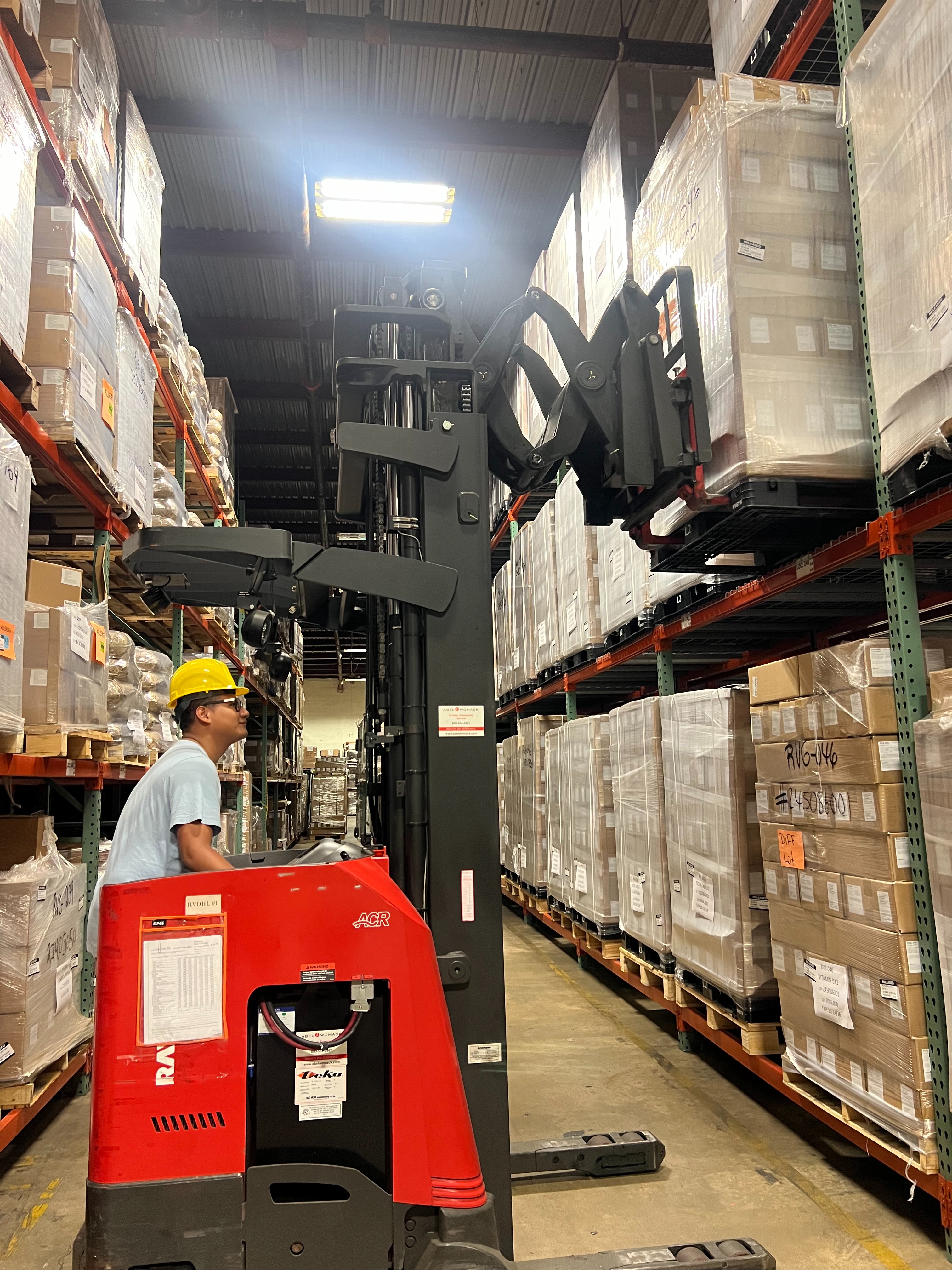
Plenty of guides on how to start an online supplement store focus on website themes and ad campaigns. Those matter, but the most common reason small supplement stores stall is simpler: they run out of their best sellers, or they sell product that is close to expiration, and customers stop coming back. A store that can restock reliably will outlast a store with a prettier homepage.
This guide covers the practical steps: what to sell, where to sell it, how to source it, what compliance looks like online, and how to plan inventory so the shelves never go empty.
Step 1: Decide what kind of store you are building
If you are asking "how do I start selling supplements online," the first answer is to decide whose products you are selling. There are three common setups.
| Store type | What you sell | Main trade-off |
|---|---|---|
| Multi-brand retailer | Established brands bought at wholesale | Easy trust, but thin margins and price competition |
| Private label brand | Your own label on stock or custom formulas | Better margins and control, but you own the compliance |
| Hybrid | Your own core line plus selected outside brands | Flexible, but more SKUs to manage |
Many successful online stores start as a focused private label brand with a small core line, then add complementary products once they know their customer. A narrow niche, such as women's wellness, active adults, or a single format like gummies, is easier to market than a general vitamin shop.
Step 2: Pick your launch products
Start with three to six products that fit together and sell year-round. Good candidates are daily staples with steady demand, such as a multivitamin, vitamin D, magnesium, or a popular gummy. Seasonal products, like immune support, can be added ahead of their peak. For each product, check:
- Shelf life, so you can buy enough to get a good price without risking expired stock
- Format appeal for your audience, since gummies, capsules, and powders suit different shoppers
- Cost per serving compared with competitors your customers will see
- Whether the supplier can document quality on every lot
Step 3: Choose where to sell
The best way to sell supplements online depends on how much control you want versus how much built-in traffic you need. Most stores use a mix.
- Your own website on a hosted platform gives you full control of branding, pricing, email lists, and subscriptions. You have to bring your own traffic.
- Large marketplaces provide traffic but have their own dietary supplement policies, fees, and documentation requirements, which can include third-party testing and cGMP verification.
- Social commerce and creator partnerships can drive launches but need careful claim control.
Check payment processing early. Supplements are generally allowed by major processors, but some ingredients and claims are restricted, and certain product types are classified as higher risk. Read your platform's acceptable use policies before launch.
Step 4: Source from a supplier that can keep up
This is the step that decides whether your store can actually restock. Dropshipping looks convenient, but it often means slow shipping, no control over lots, and thin margins. Our supplement dropshipping guide explains where that model breaks down. Buying inventory at wholesale, even in modest quantities, gives you more control.
When evaluating suppliers, ask:
- Is the product made in a cGMP-compliant, FDA-registered facility?
- Is a lot-specific certificate of analysis available?
- What are the minimum order quantities for stock and private-label products?
- What is the typical ship time for stock reorders?
- Is lot and expiration coding printed on bottles and cases?
- How much shelf life remains on product when it arrives?
Your reorder lead time is as important to your store as your conversion rate.
Step 5: Get compliance right on every page
An online store is advertising, and every product page, email, and social post is covered by the same rules as a printed label. A few basics:
- Use structure/function claims only, such as "supports restful sleep," with the FDA disclaimer. Never suggest a product treats, cures, or prevents a disease.
- Make sure product page claims match the label and are backed by evidence. The FTC applies its substantiation standards to online content, reviews you feature, and influencer posts.
- Show the Supplement Facts panel on product pages so shoppers can see ingredients and amounts.
- Do not edit or cherry-pick reviews in misleading ways. The FTC has rules on fake and manipulated reviews.
- Consider whether California Proposition 65 warnings apply to products you ship to California.
Step 6: Set up fulfillment and inventory planning
You can pack orders yourself at first, but plan for a third-party logistics provider as volume grows. Either way, store supplements in a cool, dry place and ship first-expired, first-out so older lots leave before newer ones. See our supplement fulfillment guide for the options.
For restocking, a simple formula keeps most stores out of trouble. Know your average weekly sales for each SKU, your supplier's ship time plus transit and receiving, and a safety buffer for promotions and demand spikes. Your reorder point is weekly sales multiplied by the weeks of lead time, plus the buffer. When stock on hand hits that number, reorder. Review it monthly, and raise the buffer before big promotions or seasonal peaks.
Watch expiration, not just quantity
Supplement inventory has a clock on it. Customers notice short dates, and some marketplaces set minimum remaining shelf life for inbound stock. Track expiration by lot, avoid over-ordering slow sellers, and use bundles or promotions to move older lots well before they get close to their date.
How to start an online supplement store: launch checklist
- Define your niche and three to six launch products.
- Confirm suppliers, samples, COAs, and pricing.
- Register your business, trademarks, and sales tax accounts.
- Build compliant product pages and label artwork.
- Set up payments, shipping, and returns policies.
- Place an opening order sized to about two to three months of expected sales.
- Launch, track sell-through weekly, and set reorder points for each SKU.
RV Pharma supplies e-commerce businesses, retailers, and distributors with stock and private-label supplements in gummies, capsules, softgels, powders, stick packs, and more. Stock orders ship in an estimated 3 to 10 days with lot and expiration coding on bottle and case, which makes reorder planning predictable. Request a quote for the products you plan to launch.
Frequently asked questions
How do I start selling supplements online?
Decide whether you will sell your own private label products, other brands, or both. Pick a small set of year-round products, choose a supplier that provides cGMP documentation and lot-specific COAs, and set up a store or marketplace account. Build compliant product pages with structure/function claims only, then launch with enough inventory to cover two to three months of sales.
What is the best way to sell supplements online?
Most successful sellers combine their own website, which gives control over branding, pricing, and subscriptions, with one or two marketplaces for traffic. The best mix depends on your audience and budget. Whatever channels you use, reliable inventory, clear labeling, and compliant claims matter more than the platform itself.
Do I need a license to sell supplements online?
There is no single federal license for selling supplements online. You need standard business registrations and sales tax permits where required. The facility that manufactures, packs, or holds your products must be registered with FDA. Marketplaces and payment processors may add their own requirements, so review their policies before launch.
How much inventory should a new online supplement store buy?
A common starting point is enough stock to cover two to three months of expected sales for each product, plus a buffer for promotions. That balances cost per unit against the risk of expired or slow-moving stock. Once you have sales data, set reorder points based on weekly sales and your supplier's lead time.
Sourcing a program in this category? A distribution specialist can walk through formats, MOQs, and lead times with you.
Request Wholesale Pricing