Supplement Dropshipping: How It Works and Where It Breaks Down
Dropshipping supplements looks like a low-risk way to start selling. It works for testing demand, but compliance, quality, and delivery problems show up fast as you grow.
Supplement dropshipping is often pitched as the easiest way to start selling vitamins online. You list products on a store, a customer places an order, and a supplier ships it directly to them. No warehouse, no upfront inventory, no packing. For testing an idea, that can be useful. But supplements are regulated consumer products that people swallow every day, and the dropship model has weak points that matter more here than they do for phone cases or t-shirts.
This guide explains how dropshipping supplements works, who carries responsibility when something goes wrong, and the signs that it is time to move to your own inventory.
How supplement dropshipping works
In a typical setup, a seller runs an online store or marketplace listing. The seller does not hold stock. When an order comes in, it is passed, often automatically through an app or integration, to a supplier who picks, packs, and ships the product. The seller keeps the difference between the retail price and the supplier's wholesale price plus fees.
There are two common versions:
- Reselling existing brands. You dropship supplements made and labeled by someone else. You are a retailer, and the brand owner's name is on the label.
- Private label dropshipping. The supplier prints your brand on a stock product, often in small quantities or on demand, and ships it under your name.
The second version is more attractive because you build a brand, but it also puts your name on the product, and that changes your responsibilities.
Who is responsible for the product
Under U.S. law, the company named on a supplement label as the manufacturer, packer, or distributor is responsible for that product. That includes the Supplement Facts panel, the claims, and the serious adverse event reporting obligations that apply to products sold in the United States. FDA has also made clear that companies which contract out manufacturing remain responsible for making sure the product is made under cGMP requirements in 21 CFR 111. Outsourcing production does not outsource accountability.
Even if you only resell another company's brand, you are still responsible for your own advertising. The FTC holds sellers accountable for claims in their product descriptions, ads, emails, and social posts. Copying a supplier's marketing text does not protect you if those claims are unsupported or suggest the product treats a disease.
When your name is on the label, the compliance file needs to be yours too.
Where dropshipping supplements breaks down
The model can work for a while, but several problems come up again and again once order volume grows.
| Problem | What it looks like | Why it matters |
|---|---|---|
| Quality visibility | You never see the product; COAs may be generic or missing | You cannot confirm what customers receive matches the label |
| Lot and expiration control | Short-dated or mixed lots ship without your knowledge | Returns, bad reviews, and trouble tracing a recall |
| Stock-outs | The supplier runs out and orders stall | Lost sales, marketplace penalties, cancelled subscriptions |
| Delivery times | Slow or inconsistent shipping, sometimes from overseas | Customer complaints and chargebacks |
| Margins | Per-unit dropship prices are well above wholesale | Hard to afford advertising and still profit |
| Marketplace rules | Platforms require documentation the dropshipper may not provide | Listings can be blocked or removed |
Marketplace rules deserve special attention. Large marketplaces have their own requirements for dietary supplements, which can include third-party testing, cGMP verification, and detailed product documentation. Many also restrict sellers from fulfilling through another retailer's storefront. Read each channel's policies before you list.
Recalls and returns
Recalls are the scenario most dropshippers never plan for. If a supplier's lot is recalled, you need to know which of your customers received it, and that depends on lot numbers the supplier may never have shared with you. Returns raise a similar issue. Opened supplements generally cannot be resold, so every return is a write-off, and some dropship suppliers do not accept returns at all. Ask about both before your first order, not after the first problem.
Vetting nutrition supplement dropshippers
If you decide to dropship, choose carefully. Nutrition supplement dropshippers vary widely in quality and transparency. Before connecting a store, ask:
- Which facility makes the products, and is it cGMP compliant and FDA registered?
- Can you provide a lot-specific certificate of analysis for what you ship?
- How much shelf life will remain on products when they reach customers?
- What is the average processing time and shipping method, and where do orders ship from?
- How are returns, damaged items, and recalls handled?
- Whose name and address appear on the label, and who handles adverse event reports?
- Can you provide claim substantiation for any benefits described in your product content?
If a supplier cannot answer these clearly, the lower upfront cost is not worth the risk.
When to move to owned inventory
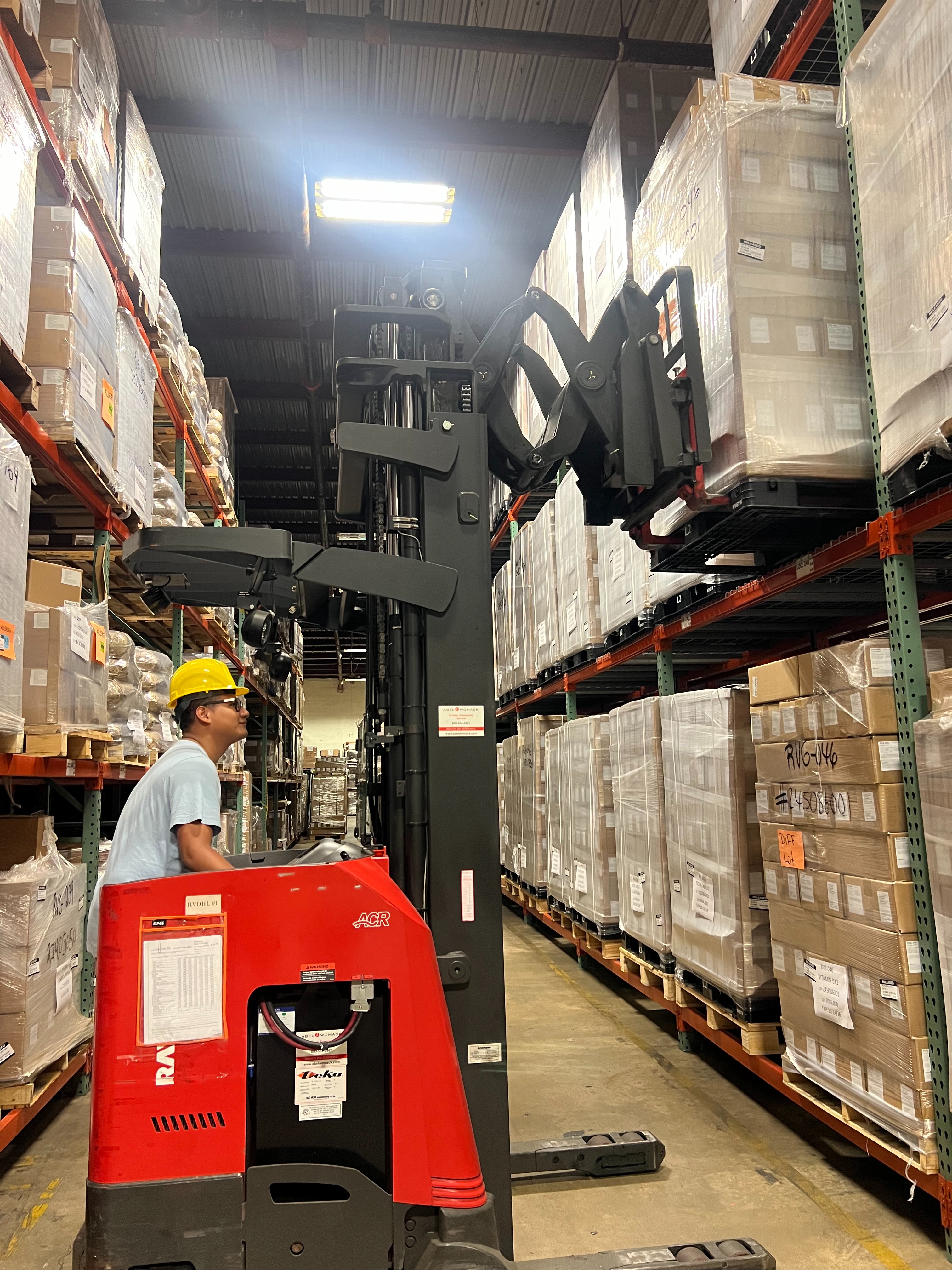
Dropshipping is best viewed as a testing phase. Once you know which products sell, holding your own inventory, even in modest quantities, fixes most of the problems above. You can check lots on arrival, control expiration dates, ship faster, and buy at wholesale rather than dropship pricing.
Signs you are ready to switch:
- You have steady sales on a handful of SKUs for several months
- Advertising costs are squeezing your margin at dropship prices
- Customer complaints mention delivery times or product condition
- You want to sell on marketplaces or pitch retail buyers that expect documentation
Owned inventory does not have to mean running a warehouse. Many brands use a third-party logistics provider to store and ship orders. Our supplement fulfillment guide covers the options, and supplement MOQs explained shows how minimum orders work when you first buy stock.
A practical middle path
Many sellers bridge the gap with a small stock order of their best sellers while testing new products in lower volumes. Stock private label programs make that practical, because the formula, testing, and Supplement Facts panel already exist. You add your label, receive inventory with lot and expiration coding, and ship from your own 3PL or warehouse.
RV Pharma is a wholesale distributor, not a dropship service. We supply stock and private-label supplements to e-commerce sellers, retailers, and distributors, with stock gummy programs starting at 1,000 bottles and stock orders shipping in an estimated 3 to 10 days. If you are ready to move from dropshipping to owned inventory, see how ordering works.
Frequently asked questions
Is supplement dropshipping legal?
Yes, dropshipping supplements is legal in the United States, but the usual rules still apply. The company named on the label is responsible for the product, including cGMP compliance, labeling, and adverse event reporting obligations. Every seller is responsible for its own advertising claims under FTC rules. Marketplaces may add their own documentation requirements on top of federal law.
Can I dropship supplements under my own brand?
Some suppliers offer private label dropshipping, printing your brand on stock products and shipping them under your name. Once your name is on the label, you take on legal responsibility for that product. Ask for lot-specific COAs, cGMP documentation, and claim substantiation, and confirm who handles adverse event reports before launching.
Is dropshipping supplements profitable?
It can be at small volumes, but margins are usually thin because dropship prices are well above wholesale. Advertising costs, returns, and chargebacks from slow delivery eat into profit quickly. Many sellers use dropshipping to test demand, then move best sellers to owned inventory bought at wholesale to improve margin and control.
Can I dropship supplements on Amazon?
Amazon allows dropshipping only under specific conditions, and supplements carry additional category requirements that can include third-party testing and cGMP documentation. Policies change, so read Amazon's current dropshipping and dietary supplement policies before listing. Many dropship suppliers cannot provide the documentation Amazon requires, which is a common reason listings are blocked.
Sourcing a program in this category? A distribution specialist can walk through formats, MOQs, and lead times with you.
Request Wholesale Pricing