Nutraceutical Companies Explained: Manufacturers, Brands, and Distributors
Ingredient suppliers, contract manufacturers, brands, distributors, and retailers all get called nutraceutical companies. Here's what each one does and which type a buyer should actually be talking to.
"Nutraceutical companies" covers a lot of ground. The phrase gets applied to raw ingredient suppliers, contract manufacturers, consumer brands, wholesale distributors, and sometimes retailers. They all touch the same products, but they do very different jobs, carry different responsibilities, and suit different buyers.
If you're sourcing product for a store, a pharmacy, or an online business, knowing who does what saves a lot of time. It tells you who to call for a quote, who can answer a question about a lot, and where your margin is coming from.
What "nutraceutical" means in the U.S.
Nutraceutical is a marketing and industry term, not a legal category. In the U.S., most nutraceutical products are regulated as dietary supplements under the Dietary Supplement Health and Education Act of 1994 (DSHEA), with manufacturing governed by FDA's cGMP rule in 21 CFR Part 111 and labeling by 21 CFR 101.36. Some products described as nutraceuticals are regulated as conventional foods or beverages instead, which brings different labeling rules, including a Nutrition Facts panel rather than Supplement Facts.
That distinction matters. A product's regulatory category decides what goes on its label, which claims are allowed, and which rules the companies behind it have to follow. Advertising for both categories falls under the FTC, which expects claims to be truthful and backed by competent and reliable scientific evidence.
The main types of nutraceutical companies
Most of the industry can be sorted into five roles. Some companies play more than one.
| Type | What they do | Who buys from them |
|---|---|---|
| Ingredient suppliers | Produce or import vitamins, minerals, botanicals, and specialty ingredients | Manufacturers |
| Manufacturers | Blend, encapsulate, tablet, cook, fill, and package finished products | Brands, private-label buyers, distributors |
| Brands | Own the product concept, label, and marketing | Distributors, retailers, consumers |
| Distributors | Buy and hold finished product, then sell and ship it to trade customers | Retailers, pharmacies, e-commerce sellers |
| Retailers | Sell to consumers in store or online | Consumers |
Ingredient suppliers
These companies make or source the raw materials: vitamin premixes, mineral salts, botanical extracts, probiotics, and branded ingredients backed by their own research. Most finished-product buyers never deal with them directly, but their quality affects everything downstream. A good manufacturer qualifies its ingredient suppliers and tests incoming materials rather than relying on paperwork alone.
Manufacturers
Manufacturers turn ingredients into finished products. Some specialize by format, such as gummies or softgels, because each requires its own equipment. Some make their own brands, some work only on contract, and many do both. For more on how manufacturing relationships work, see our guide to contract supplement manufacturers.
Brands
A brand owns the product in the market. It decides the formula, designs the label, sets the price, and builds demand. Many successful brands own no manufacturing at all. Legally, the company named on the label carries significant responsibility, including handling serious adverse event reports and making sure claims are substantiated.
Distributors
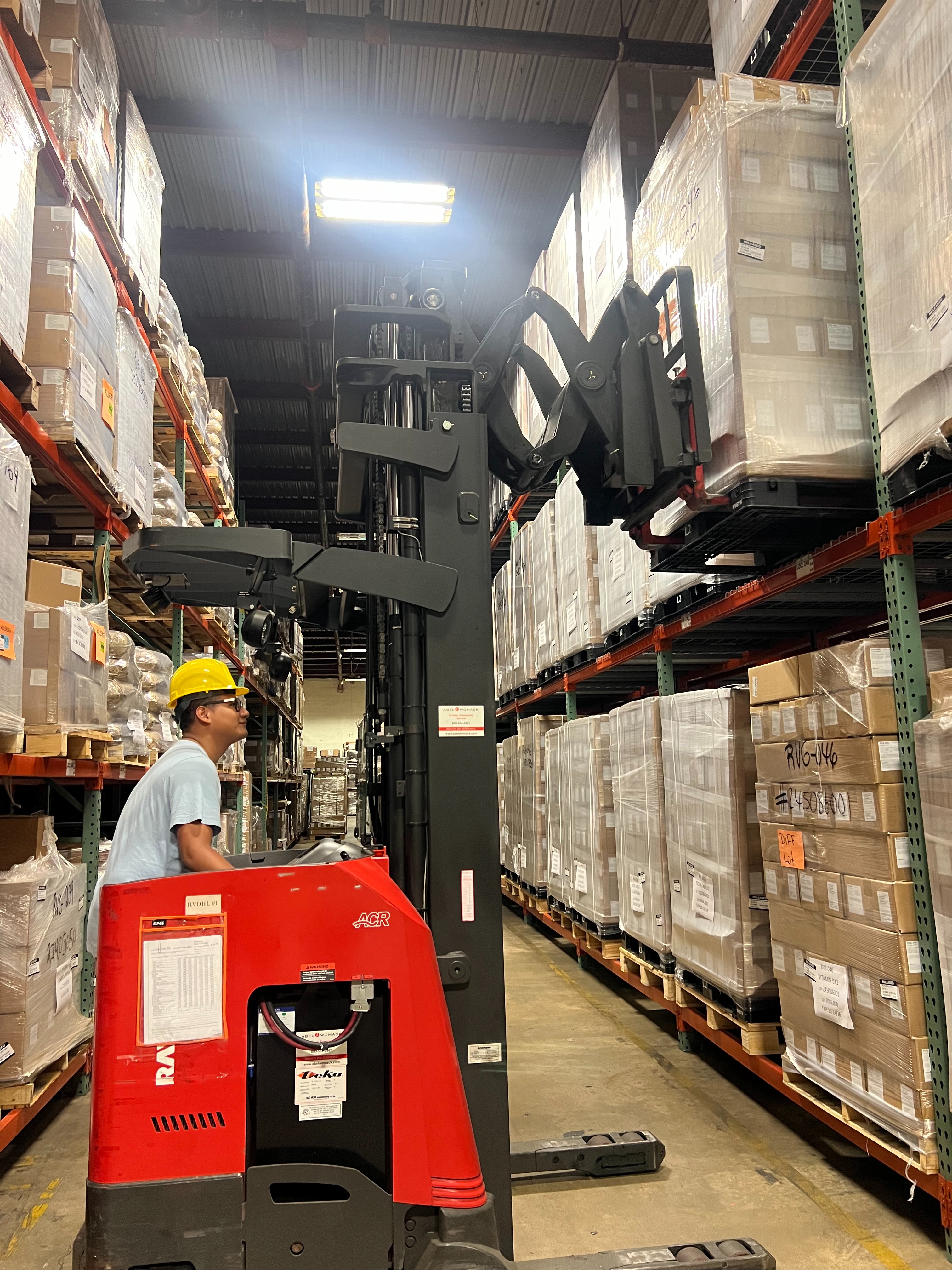
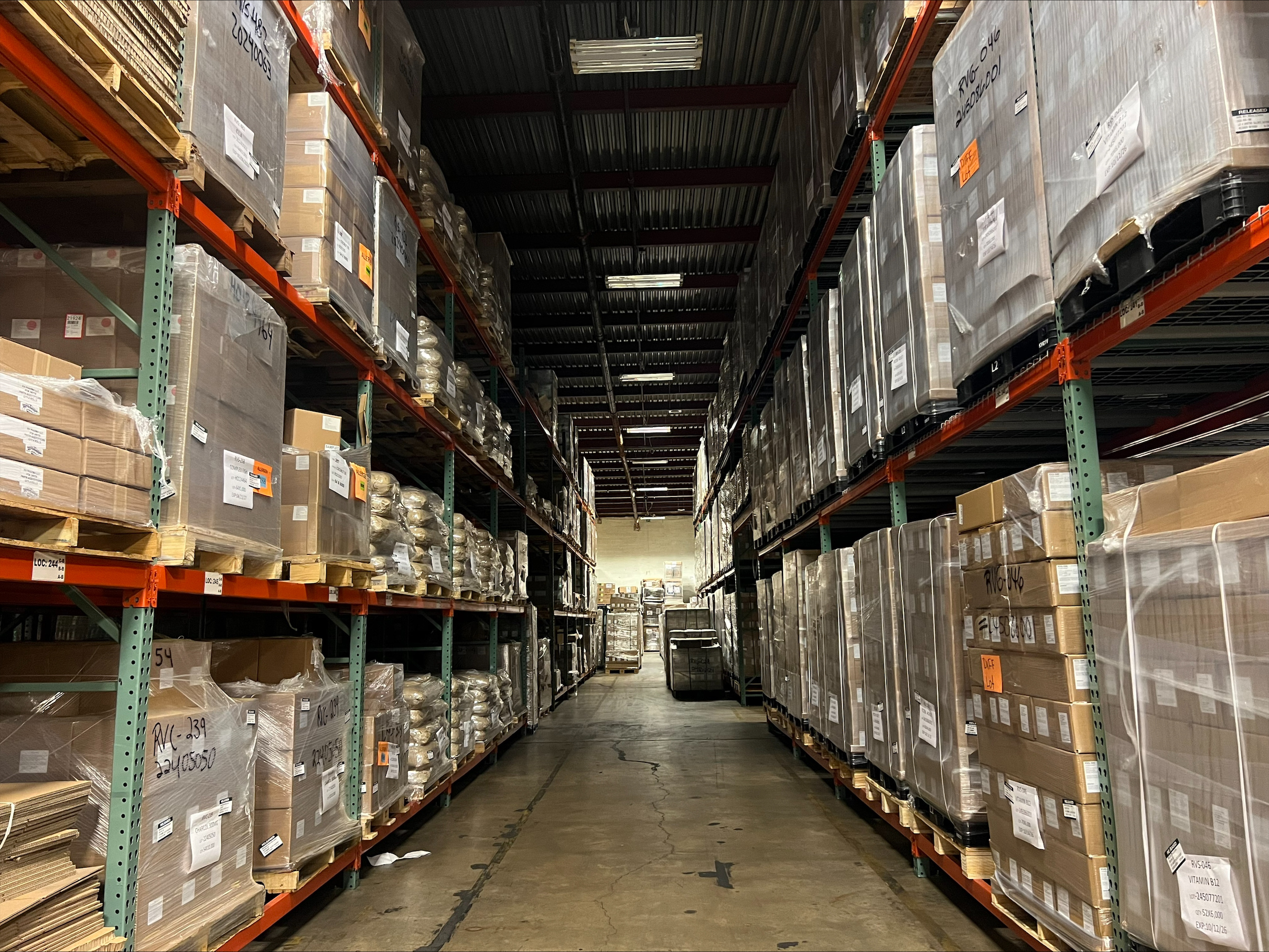
A distributor buys finished product in volume, holds inventory, and sells to trade customers in smaller, more convenient quantities. Good distributors add value through consistent availability, fast shipping, consolidated ordering across many products, and documentation like COAs and spec sheets. Some also offer private-label and packing programs. Our wholesale distributor guide covers the model in more detail.
Retailers
Retailers range from national chains and pharmacies to independent health stores, gyms, clinics, and online sellers. Larger retailers often run their own exclusive brands, which are sourced from manufacturers or distributors.
The right nutraceutical company to call depends less on who makes the product and more on what you need to buy, how much, and how fast.
How cost and margin build through the chain
Every step between raw ingredient and consumer adds cost, and each company in the chain needs its own margin to stay in business. The ingredient supplier prices raw materials. The manufacturer adds labor, machine time, packaging, testing, and overhead. The brand adds marketing, design, and the cost of building demand. The distributor adds warehousing, carrying inventory, customer service, and freight. The retailer adds store operations and its own margin.
That's why the same bottle can look very different in price depending on where you buy it. Buying closer to the source can lower unit cost, but it usually means larger minimums, longer lead times, and more work on your side, from quality review to storage. Buying through a distributor costs a bit more per unit but lets you order smaller quantities more often, keep less cash tied up in inventory, and consolidate many products into one shipment. For many retailers and online sellers, that flexibility is worth more than the unit savings. Our breakdown of wholesale pricing factors goes into what drives a quote.
Which nutraceutical company should a buyer work with?
The answer depends on what you're trying to do.
- Stocking shelves with ready-to-sell product: a distributor usually offers the best mix of low minimums, fast shipping, and product range.
- Launching your own label quickly: a private-label program from a manufacturer or distributor lets you use an existing formula under your brand.
- Building a proprietary formula: a contract or custom manufacturer is the right partner, with higher minimums and longer timelines.
- Carrying an established consumer brand: go through the brand's authorized distributors or the brand directly.
Many buyers use more than one. A regional pharmacy chain might buy branded products through distributors, run a store brand through a private-label program, and work with a contract manufacturer on one custom product.
How to evaluate a nutraceutical company
Whatever type of nutraceutical company you're considering, the core checks are similar:
- Confirm cGMP compliance and FDA facility registration where applicable, and ask about recent audits or inspections.
- Look for independent certifications, such as NSF/ANSI 455-2, and verify them with the certifier.
- Ask for lot-specific certificates of analysis and check that lot numbers match the product you receive.
- Understand minimums, pricing tiers, and lead times in writing before you commit.
- Check how they handle complaints, returns, and recalls.
Where nutraceutical products are heading
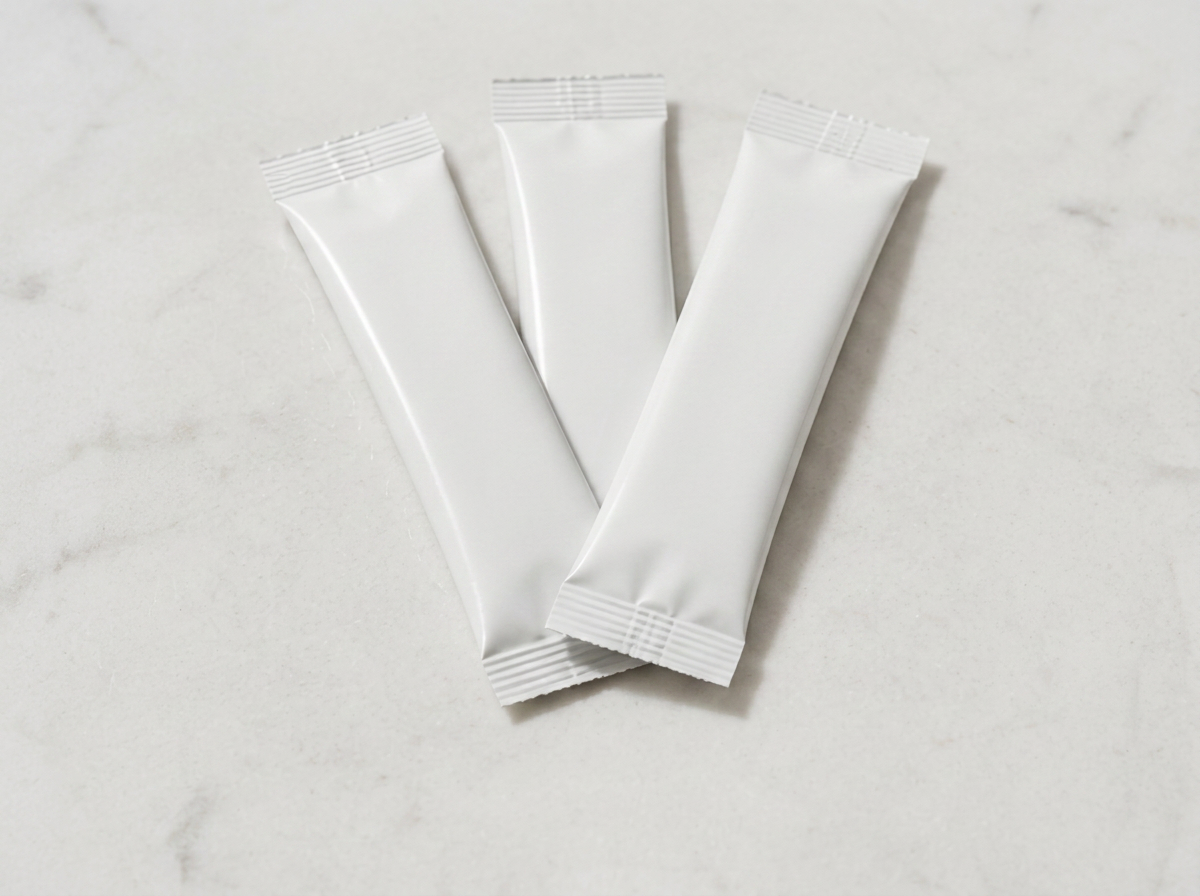
Demand keeps shifting toward convenient, pleasant formats such as gummies, soft chews, and stick packs, alongside continued interest in clean labels, plant-based options, and third-party testing. Buyers are also asking for more documentation than they used to, and suppliers that provide it easily have an edge.
RV Pharma is a wholesale nutraceutical distributor based in Holbrook, New York, supplying retailers, pharmacies, distributors, and e-commerce businesses across North America with stock product in ten formats, plus private-label, packing, and distribution programs.
Frequently asked questions
What is a nutraceutical company?
A nutraceutical company is any business involved in making or selling products such as dietary supplements and functional foods. The term covers ingredient suppliers, manufacturers, brands, distributors, and retailers. Nutraceutical isn't a legal category in the U.S., so most of these products are regulated as dietary supplements or conventional foods.
Are nutraceuticals regulated by the FDA?
Yes, through existing categories. Most nutraceuticals sold in the U.S. are regulated as dietary supplements under DSHEA, with manufacturing covered by 21 CFR Part 111. Some are regulated as conventional foods. FDA doesn't approve dietary supplements before sale, and the FTC oversees advertising claims for both categories.
What is the difference between a supplement manufacturer and a distributor?
A manufacturer produces finished products from raw ingredients. A distributor buys finished products in volume, holds inventory, and sells to retailers and other trade buyers in smaller quantities with faster shipping. Some companies do both, and many distributors also offer private-label programs using existing formulas.
How do I choose a nutraceutical supplier?
Start with your goal. Distributors suit buyers who need ready-to-sell product quickly, while contract manufacturers suit brands building a custom formula. For any supplier, check cGMP compliance, verify certifications with the certifier, request lot-specific COAs, and get minimums, pricing tiers, and lead times in writing.
Sourcing a program in this category? A distribution specialist can walk through formats, MOQs, and lead times with you.
Request Wholesale Pricing