Private Label Supplements: How the Model Works for Retailers and New Brands
Private label supplements let retailers and new brands sell finished products under their own name without owning a factory. Here is how the model actually works, from formula to shelf.
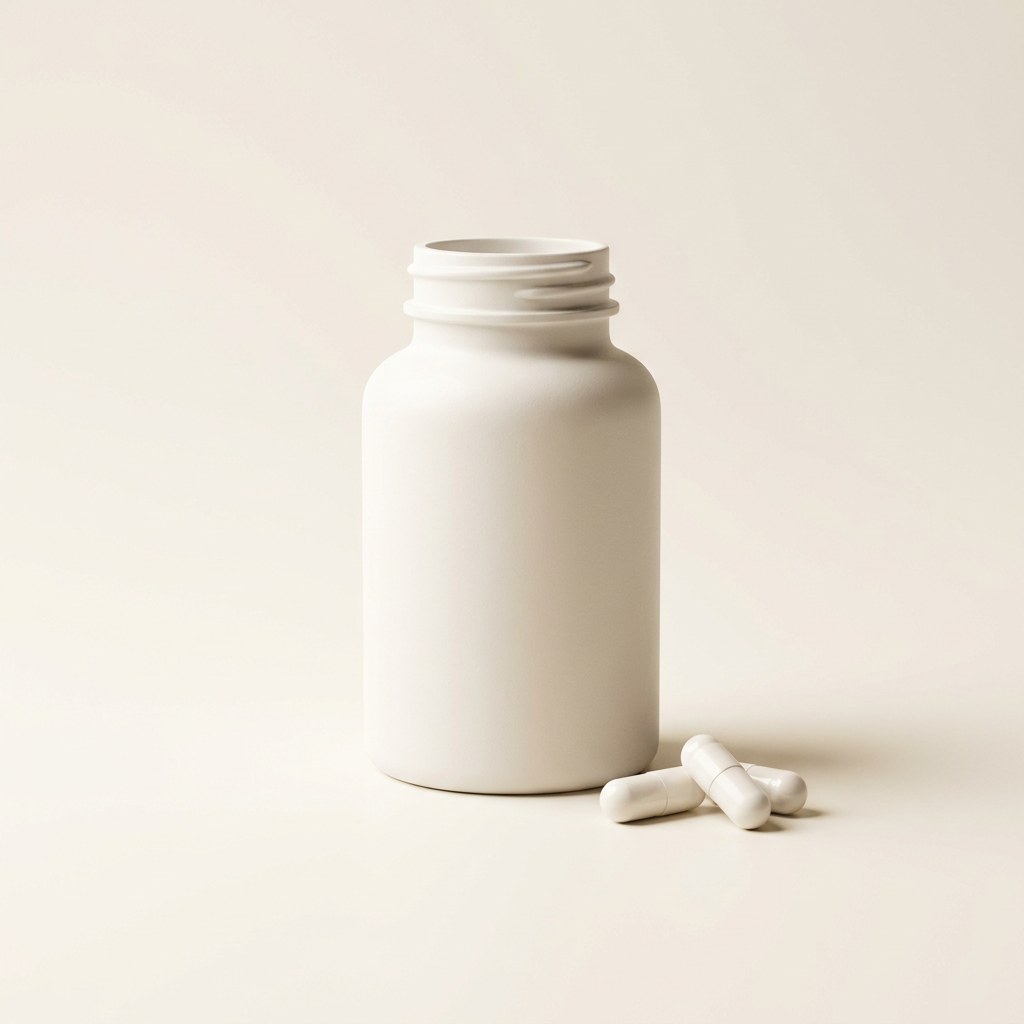
Private label supplements are finished products made by a manufacturer and sold under another company's brand. The retailer or brand owner controls the name, the label, the price, and the customer relationship. The manufacturer handles sourcing, production, testing, and packaging. For a pharmacy chain, an online seller, or a founder with a clear idea and no plant, it is the most direct way to put a branded supplement on a shelf.
The model looks simple from the outside, and in some ways it is. But the details decide whether a line sells through or sits in a back room: which format you choose, how the formula is sourced, who carries which compliance duties, and how much inventory you commit to up front. This guide walks through each piece from a buyer's point of view.
How Private Label Supplements Work
Every private label program has three moving parts: a formula, a format, and a label. The formula is the list of ingredients and amounts per serving. The format is the delivery system, such as a gummy, capsule, softgel, tablet, powder, or liquid. The label is your brand's artwork, Supplement Facts panel, and required statements.
Programs usually fall into two broad paths:
- Stock formula programs. The manufacturer or distributor already produces a proven formula in a standard format. You choose the product, supply your label, and the goods are packed under your brand. This is the fastest route and usually carries the lowest minimums.
- Custom formula programs. You specify ingredients, doses, flavors, or colors, and the manufacturer quotes a production run for that exact formula. You get something no one else sells, but you take on formulation time, stability questions, and larger commitments.
Most successful lines mix the two. A retailer might launch with stock multivitamins, vitamin D, and elderberry gummies, then add one or two custom SKUs once sales data shows where the gaps are. If you are still deciding between approaches, our breakdown of white label vs private label supplements covers the tradeoffs in more depth.
Who Uses Private Label Dietary Supplements
Private label dietary supplements show up across nearly every channel. Pharmacies and grocers use store brands to offer a value alternative next to national brands and to protect category margin. E-commerce sellers use them to build a brand they can own on their own site and on marketplaces. Gyms, clinics, salons, and wellness studios use them to sell a curated product to members under their own name. Distributors use private label to give smaller accounts a branded line without each account managing a factory relationship.
The common thread is control. A branded national product can be discontinued, repriced, or sold by the store down the street. A private label product is yours to price and position.
Who Is Responsible for Compliance
This is the part new brands most often misunderstand. Putting your name on a supplement puts you inside the regulatory chain. Under the Dietary Supplement Health and Education Act (DSHEA), supplements do not need FDA approval before sale, but the companies that make and market them are responsible for safety and truthful labeling. FDA has made clear that a firm that contracts out manufacturing and sells under its own label still has obligations under the dietary supplement cGMP rule, 21 CFR 111. You cannot hand all responsibility to your supplier.
In practice, the brand owner should be ready to handle the following:
- Label accuracy, including the statement of identity, net quantity, Supplement Facts panel, ingredient list, allergen declarations, and a "manufactured for" or "distributed by" name and address.
- A U.S. address or phone number on the label so consumers can report serious adverse events, and a process for forwarding serious reports to FDA as required by law.
- Any structure/function claims, which must be truthful, carry the standard FDA disclaimer, and be notified to FDA within 30 days of first marketing.
- Advertising substantiation. The FTC expects health-related claims in ads, on websites, and on social media to be backed by competent and reliable scientific evidence.
- Records that show you qualified your supplier and confirmed the product meets its specifications.
A good supplier makes this easier by providing lot-specific certificates of analysis, published Supplement Facts panels, and clear lot and expiration coding. Our guide to dietary supplement compliance basics covers the framework in more detail.
Private Labeling Supplements: Costs and Minimums
Private labeling supplements involves a few cost drivers that are worth understanding before you request a quote. Unit cost depends on ingredient cost, format, bottle count, packaging components, and volume. Gummies and softgels tend to cost more per unit than simple capsules. Custom colors, flavors, and specialty ingredients add cost. Larger runs spread setup costs across more units, which is why quotes are usually tiered by volume.
| Cost driver | What moves it | What to ask your supplier |
|---|---|---|
| Formula | Ingredient cost, dose, specialty or branded ingredients | Is this a stock formula or custom? |
| Format | Gummy, softgel, capsule, tablet, powder, liquid | Which formats are available from stock? |
| Packaging | Bottle type, closure, seal, desiccant, label material | What is included in the unit price? |
| Volume | Minimum order and tier breaks | Where do the next price breaks fall? |
| Testing and documents | Identity, potency, contaminant testing, COAs | Is a lot-specific COA included? |
Minimums vary widely. Stock programs are designed to keep them low, while custom runs usually require a larger commitment because the manufacturer has to buy raw materials and schedule a batch for your formula alone. Before you commit, ask each supplier to explain what sets its minimum, since the answer tells you whether the number is about raw material buys, batch size, or packaging runs.
Choosing a Private Label Supplement Partner
The supplier is the single biggest decision in a private label supplement program. A few things separate reliable partners from risky ones.
- Quality systems. Ask for evidence of cGMP compliance and any third-party certifications. NSF/ANSI 455-2 certification, for example, is an audit standard built around the supplement GMP rule.
- Testing and documentation. Confirm that each lot is tested and that you can get a lot-specific COA. Ask to see a sample before you order.
- Format range. A supplier that runs several formats lets you grow a line without onboarding a new vendor for each product.
- Transparency on pricing. Itemized, tiered quotes make it easy to model margin and plan reorders.
- Speed and consistency on reorders. A great launch means little if the second order takes months. Ask about typical ship times for stock versus custom goods.
Your name on the bottle means your name on the compliance file, so pick a supplier whose paperwork you would be comfortable showing a regulator.
Launching and Growing a Line
Start narrow. Three to six products in categories you already know sell will teach you more than twenty SKUs spread thin. Choose formats your customers already buy, set a price that holds up next to national brands, and plan inventory around realistic sell-through rather than best-case forecasts.
After launch, watch reorder rates and shelf velocity. Replace slow SKUs, extend fast ones into new counts or formats, and keep a close eye on expiration dates so inventory turns before it ages. Private label works best as a living program, not a one-time order.
Working With RV Pharma
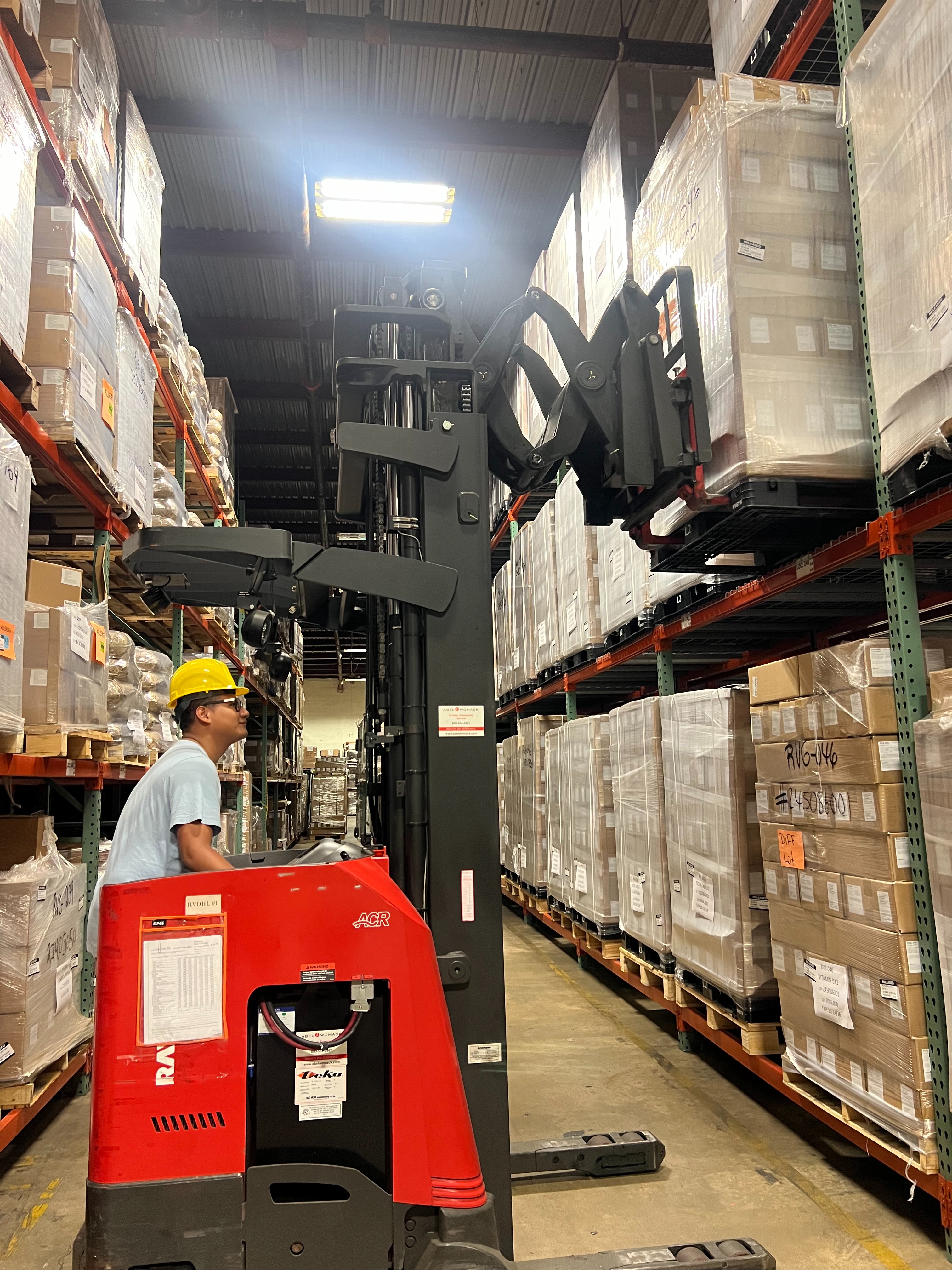
RV Pharma is a wholesale distributor that supplies retailers, pharmacies, distributors, and e-commerce businesses across North America with stock and private-label supplements in gummies, capsules, softgels, tablets, powders, liquids, and more. Our products are made in cGMP compliant, FDA registered facilities, third-party tested, and ship with lot and expiration coding. To price a line, request a quote or call 631-730-7724.
Frequently asked questions
What does private label mean for supplements?
It means a manufacturer produces a finished supplement and the buyer sells it under their own brand. The buyer controls the name, label design, pricing, and sales channels, while the manufacturer handles ingredients, production, testing, and packaging. The brand owner still carries legal responsibility for labeling, claims, and adverse event reporting.
Do private label supplements need FDA approval?
No. Dietary supplements do not require FDA approval before they are sold. However, they must be made under the cGMP rule in 21 CFR 111, labeled according to FDA regulations, and marketed with truthful claims. Structure/function claims must be notified to FDA within 30 days and carry the required disclaimer.
How much does it cost to start a private label supplement line?
It depends on the format, formula, packaging, and order volume. Stock formula programs usually have the lowest entry cost because the formula already exists and minimums are smaller. Custom formulas cost more up front. Ask suppliers for itemized quotes tied to volume tiers so you can compare accurately.
Is private label the same as white label?
The terms are often used interchangeably, but white label usually refers to a ready-made generic product that many brands sell with their own label, while private label can include products customized for one brand. In both cases, the brand on the label is responsible for compliance.
Sourcing a program in this category? A distribution specialist can walk through formats, MOQs, and lead times with you.
Request Wholesale Pricing