Best Private Label Supplement Manufacturers: How to Choose the Right One
The best private label supplement manufacturers are not always the biggest. Use this buyer's scorecard to compare quality systems, documentation, formats, pricing, and reorder reliability.
Search for the best private label supplement manufacturers and you will find ranked lists, directories, and plenty of marketing. What you will not find is a single answer, because the right partner depends on your formats, volumes, channels, and how much of the process you want to own. A supplier that is perfect for a national pharmacy chain may be a poor fit for a new online brand, and the reverse is true too.
What does hold across every buyer is a set of criteria that separates dependable suppliers from risky ones. This guide lays those out as a practical scorecard you can use on calls, in RFPs, and when checking references.
What Makes the Best Private Label Supplement Manufacturers Stand Out
Good suppliers share a few traits. They are open about their quality systems, they document every lot, they quote clearly, and they ship reorders on the timeline they promised. None of that shows up in a sales deck. It shows up in the paperwork they send and in how they answer hard questions.
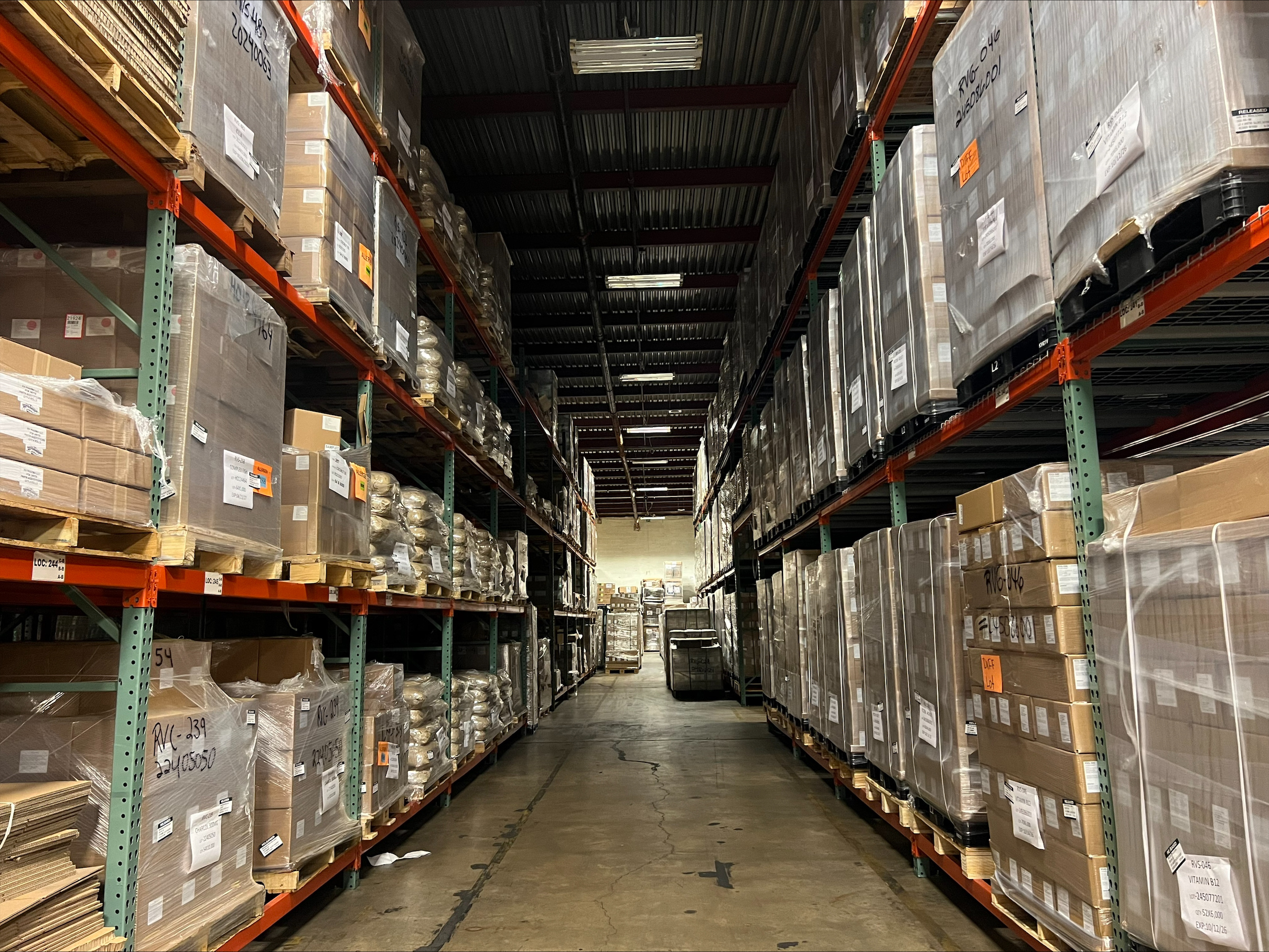
Start by separating two groups. Some private label supplement manufacturers own production lines and make product in their own facilities. Others are distributors or brokers that source finished goods from manufacturing partners and manage packaging, labeling, and logistics. Both models can work well. What matters is that the company can show you where the product is made, how it is tested, and who stands behind each lot.
Five Criteria That Separate Good Suppliers From Risky Ones
1. Quality systems and certifications
Every U.S. dietary supplement must be manufactured, packaged, labeled, and held under the cGMP rule in 21 CFR 111. That is the floor, not a differentiator. The questions that matter are how the supplier demonstrates it and who has verified it.
- Ask whether facilities are FDA registered. Registration is required for food facilities, including supplement plants, but it is not an FDA approval or endorsement, so treat it as a baseline.
- Ask for third-party certifications. NSF/ANSI 455-2 is a GMP audit standard written specifically for dietary supplements and gives you an outside view of the quality system.
- Ask how the supplier handles deviations, complaints, and out-of-specification results. A clear answer here tells you more than any certificate.
2. Testing and documentation
Documentation is where strong private label supplements manufacturer relationships are built. You need to know that what is on your label is in the bottle.
- Lot-specific certificates of analysis that report identity, potency, and contaminant results against stated specifications. Our guide on how to read a certificate of analysis explains what to look for.
- Third-party testing, not only in-house results, for at least some attributes.
- Lot and expiration coding on every bottle and case so you can trace and rotate inventory.
- Published or readily shared Supplement Facts panels so your label team can work from accurate data.
If a supplier hesitates to send a sample COA before you order, treat that as a signal.
3. Format range and program flexibility
The more formats a supplier can deliver, the easier it is to grow a line without adding vendors. Gummies, capsules, softgels, tablets, powders, liquids, and stick packs each suit different customers and price points. Ask which formats are available as stock programs and which require custom work, since that affects minimums and timing.
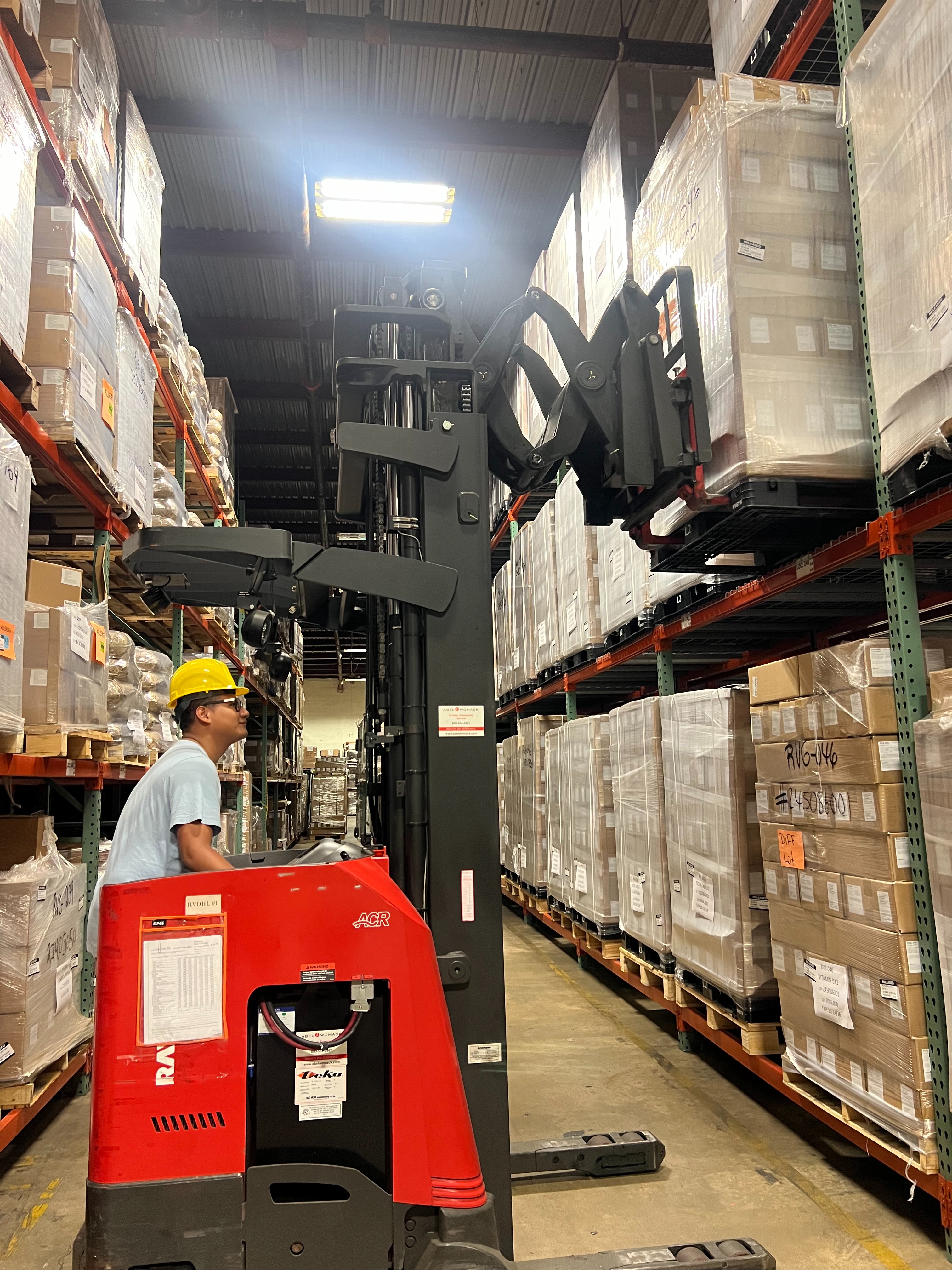
Flexibility also means options for how products reach you: labeled in bottles, packed into retail-ready cases, or distributed directly to your locations or fulfillment center.
4. Pricing transparency and minimums
Price per unit matters, but the structure of the quote matters more. The best quotes are itemized so you can see what is included, such as bottle, closure, seal, label application, and testing, and tiered so you know where the next price break falls. Vague single-line pricing makes it hard to compare suppliers and even harder to plan margins.
Minimums should match your stage. A supplier with only very large custom minimums may not fit a new line, while a stock program lets you test demand first. Ask whether a stock version of the product exists before paying for a custom run, and whether minimums apply per SKU, per formula, or per label version, since those rules change how much cash an order ties up.
5. Lead times and reorder reliability
First orders get attention. Reorders reveal the real operation. Ask for typical ship times on stock goods and how custom timelines are set, then check references on whether those timelines held. Consistent reorder performance protects your in-stock rate, which matters more to a retail buyer than a slightly lower cost. It also helps to ask how the supplier communicates when something slips. A supplier that tells you early about a delayed component or a lot on hold gives you time to adjust promotions and purchase orders. One that goes quiet leaves you explaining empty shelves to your own customers.
A Scorecard for Comparing Private Label Supplement Manufacturers
Use a simple scoring grid across your shortlist. Weight the criteria to match your business; a retailer might weight reorder reliability highest, while a new brand might weight low minimums.
| Criterion | What good looks like | Red flags |
|---|---|---|
| Quality system | cGMP compliance, FDA registered facilities, third-party GMP certification | Vague answers, no outside audits |
| Testing | Lot-specific COAs, third-party testing | No sample COA, only generic spec sheets |
| Traceability | Lot and expiration coding on bottle and case | Inconsistent or missing coding |
| Formats | Several formats with clear stock vs custom options | One format only, everything custom |
| Pricing | Itemized, tiered, account-specific quotes | Single price with unclear inclusions |
| Speed | Stated ship windows that references confirm | No committed timelines |
| Communication | Named contact, fast answers to technical questions | Slow or evasive replies |
The cheapest quote is only the cheapest until the first missed reorder or the first COA you cannot get.
Questions to Ask Before You Sign
- Where is this product manufactured, and can you share certification documents?
- Can I see a sample COA and the Supplement Facts panel before ordering?
- What is included in the unit price, and where are the volume breaks?
- What are typical ship times for stock orders and for reorders?
- How do you handle a lot that fails testing or a customer complaint?
For a longer list, see our guide to questions to ask a supplement supplier.
How RV Pharma Fits
RV Pharma is a U.S. wholesale distributor offering stock and private-label programs in gummies, capsules, softgels, tablets, powders, liquids, stick packs, soft chews, lollipops, and lozenges. Products are made in cGMP compliant, FDA registered facilities, third-party tested, and NSF/ANSI 455-2 certified, with lot-specific COAs available on request. Quotes are itemized against volume tiers, and stock orders ship in an estimated 3–10 days. You can review our quality approach or reach us at quote@rvpharma.com.
Frequently asked questions
How do I find the best private label supplement manufacturer?
Build a shortlist, then compare each supplier on quality systems, testing and COAs, lot traceability, format range, pricing transparency, and reorder reliability. Ask for sample documents before ordering and check references on whether promised ship times held. The best fit depends on your formats, volumes, and sales channels.
What certifications should a supplement manufacturer have?
At minimum, the facility should operate under the dietary supplement cGMP rule in 21 CFR 111 and be registered with FDA as a food facility. Third-party certifications such as NSF/ANSI 455-2 add independent verification of the quality system. Registration alone is not an FDA approval.
Should I work with a manufacturer or a distributor for private label?
Both can work. Manufacturers own production and may suit large custom runs. Distributors often offer stock programs across many formats, lower minimums, and one point of contact for packaging and logistics. Either way, confirm where products are made and that each lot comes with testing documentation.
What is a red flag when vetting supplement suppliers?
Common red flags include refusing to share a sample COA, vague answers about where products are made, no third-party audits, missing lot or expiration coding, single-line quotes with unclear inclusions, and no committed ship timelines. Slow or evasive answers to technical questions are also a warning sign.
Sourcing a program in this category? A distribution specialist can walk through formats, MOQs, and lead times with you.
Request Wholesale Pricing