How to Choose a Probiotic Manufacturer: Strains, CFU Counts, and Stability
Probiotics are living ingredients, so the manufacturer you pick decides whether the label count is still true on the last day of shelf life. Here is how to vet one.
Choosing a probiotic manufacturer is different from choosing a supplier for almost any other supplement. Vitamins and minerals are stable chemicals. Probiotics are live microorganisms, and their numbers decline from the day they are made. That means the real question is not what went into the capsule, but how much is still alive when your customer opens the bottle months later.
This guide covers the points experienced buyers check when they compare probiotic manufacturers: strain documentation, how CFU counts are labeled, overage and stability data, format choices, and the paperwork you should expect on every lot.
Choosing a probiotic manufacturer starts with the strains
A probiotic is defined by its strain, not just its species. A properly labeled ingredient includes the genus, species, and a strain designation, for example a name followed by an alphanumeric code. Two products that list the same species can contain different strains with different research behind them. If a supplier cannot tell you the specific strain designation, that is a red flag.
Taxonomy has also changed. In 2020 the old Lactobacillus genus was split into many new genera, so some strains now carry different genus names than they did a few years ago. A knowledgeable supplier will explain how names appear on your label and whether they recommend listing the older name alongside the current one for shopper recognition.
Ask each probiotic supplier for:
- The full strain designation for every organism
- Documentation that each strain has been identified by genetic methods, not just by appearance or biochemical tests
- The regulatory status of each strain for use in dietary supplements in the U.S.
- Any allergen information from growth media, such as dairy or soy, that could carry through to the finished product
- Supporting research the strain supplier offers, so you know what claims could be substantiated
How CFU counts are labeled
Colony forming units (CFU) estimate how many viable organisms are in a serving. FDA regulations were written around declaring dietary ingredients by weight, but FDA has issued guidance saying it does not intend to object when manufacturers also declare live microbials in CFU alongside the weight. In practice, most probiotic labels show both.
The more important detail is when the count is guaranteed. There are two common approaches:
| Label approach | What it means | Buyer takeaway |
|---|---|---|
| At time of manufacture | The count was met when the product was made | Actual count at purchase may be much lower |
| Through expiration (or "at expiration") | The count is expected to be met for the full shelf life | Requires overage and stability data; the stronger claim |
Retail buyers and informed shoppers increasingly expect the through-expiration standard. If your label says 50 billion CFU, the product should still deliver at least that amount on the last day of its dating. That leads directly to overage and stability.
Overage and stability testing
To keep the count on target through expiration, manufacturers add more organisms than the label states. This extra amount is called overage, and for probiotics it is often substantial, because losses during production and storage can be significant. The right overage depends on the strains, the format, the packaging, and the storage conditions, so it should be based on data, not a rule of thumb.
A capable probiotic manufacturer will run stability studies that measure CFU at intervals over the proposed shelf life under defined temperature and humidity conditions. Ask to see summary data for your formula or a close match. If the only answer is a generic statement that the product is stable, press for more detail. Our guide on supplement shelf life explains how stability data supports an expiration date.
With probiotics, the number that matters is the one on the last day of shelf life.
Moisture is the main enemy
Water activity, heat, and oxygen all shorten probiotic life, with moisture usually the biggest factor. Look for low-moisture excipients, controlled humidity in the filling room, desiccant packaging or blister packs, and clear storage instructions. Shelf-stable products can be sold at room temperature if the data supports it. Others need refrigeration, which affects how and where retailers can stock them.
Formats: capsules, powders, gummies, and more
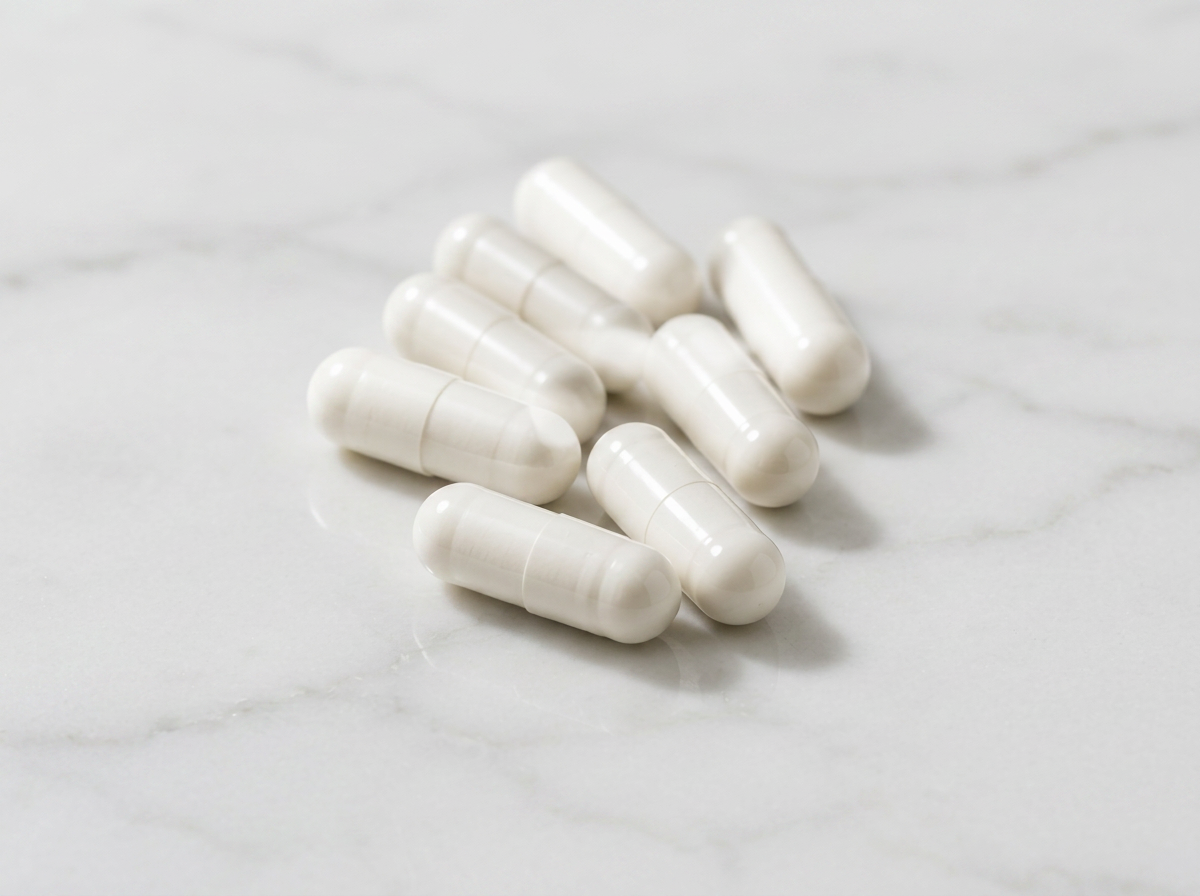
Capsules are the most common probiotic format, often in HPMC shells because of their lower moisture content. Delayed-release capsules are used to protect organisms through stomach acid. A probiotic powder manufacturer can supply sachets or stick packs, which suit higher counts and mixing into food, but powders need very tight moisture control once opened. Gummies are popular with shoppers, yet the heat and moisture of gummy production are hard on most organisms. Spore-forming strains, commonly labeled as Bacillus species, hold up better in gummies and other challenging formats.
If you are weighing formats, the private label capsules guide covers shell choices that also matter for probiotics.
Questions to ask probiotic manufacturers
- Is the facility cGMP compliant under 21 CFR 111, and which third-party audits does it hold?
- How is each strain's identity confirmed on incoming raw materials?
- What CFU test method is used for finished product, and is it strain-specific or total count?
- Is the label count guaranteed at manufacture or through expiration?
- What overage is used, and what stability data supports it?
- What are the storage requirements for shipping, warehouse, and retail shelf?
- Is a lot-specific certificate of analysis available with CFU results, microbiology, and allergen status?
- Are there minimums by strain or blend, and how does that affect reorder planning?
Claims and compliance
Probiotics are dietary supplements under DSHEA. Structure/function claims about supporting digestive health or the gut microbiome are common and allowed when truthful, substantiated, accompanied by the FDA disclaimer, and notified to FDA. Claims about treating or preventing specific diseases or conditions are not allowed. Because research is strain-specific, the evidence behind a claim should involve the same strain at a similar dose. Borrowing studies from a different strain of the same species is weak support under FTC standards.
RV Pharma is a wholesale distributor supplying retailers, pharmacies, distributors, and e-commerce businesses with stock and custom supplements across capsules, powders, stick packs, gummies, and other formats, all from cGMP-compliant, third-party tested manufacturing. If you are evaluating a probiotic or any capsule program, contact our team with your strain list and target count and we will tell you what we can quote.
Frequently asked questions
What should I look for in a probiotic manufacturer?
Look for cGMP compliance, genetic identity testing for each strain, full strain designations, and a count guaranteed through expiration rather than only at manufacture. The manufacturer should provide stability data supporting the overage used and a lot-specific certificate of analysis. Clear storage guidance and documented allergen status for growth media are also important.
What does CFU mean on a probiotic label?
CFU stands for colony forming units, an estimate of the number of viable microorganisms in a serving. FDA guidance allows CFU to be declared alongside the weight of the ingredient. Check whether the count is guaranteed at the time of manufacture or through the expiration date, since counts decline over the product's shelf life.
Do probiotics need to be refrigerated?
Not always. Some strains and formulations are shelf-stable at room temperature when packaged with good moisture protection, and stability data should support that. Others need refrigeration to maintain their count. Spore-forming strains are generally more robust. Always follow the storage instructions supported by your manufacturer's stability testing, and plan logistics around them.
Can probiotics be made into gummies?
Yes, but the heat and moisture involved in gummy production are hard on most probiotic organisms. Spore-forming strains, often labeled as Bacillus species, tend to survive gummy manufacturing and storage much better. Expect a gummy probiotic to use different strains and lower counts than a capsule, and ask for stability data before committing.
Sourcing a program in this category? A distribution specialist can walk through formats, MOQs, and lead times with you.
Request Wholesale Pricing