Soft Gel Capsule Manufacturers: How to Source Softgels at Wholesale Scale
Softgels need specialized equipment that few facilities run. Here's how soft gel capsules manufacturers make them, what to check on quality, and when stock softgels beat a custom run.
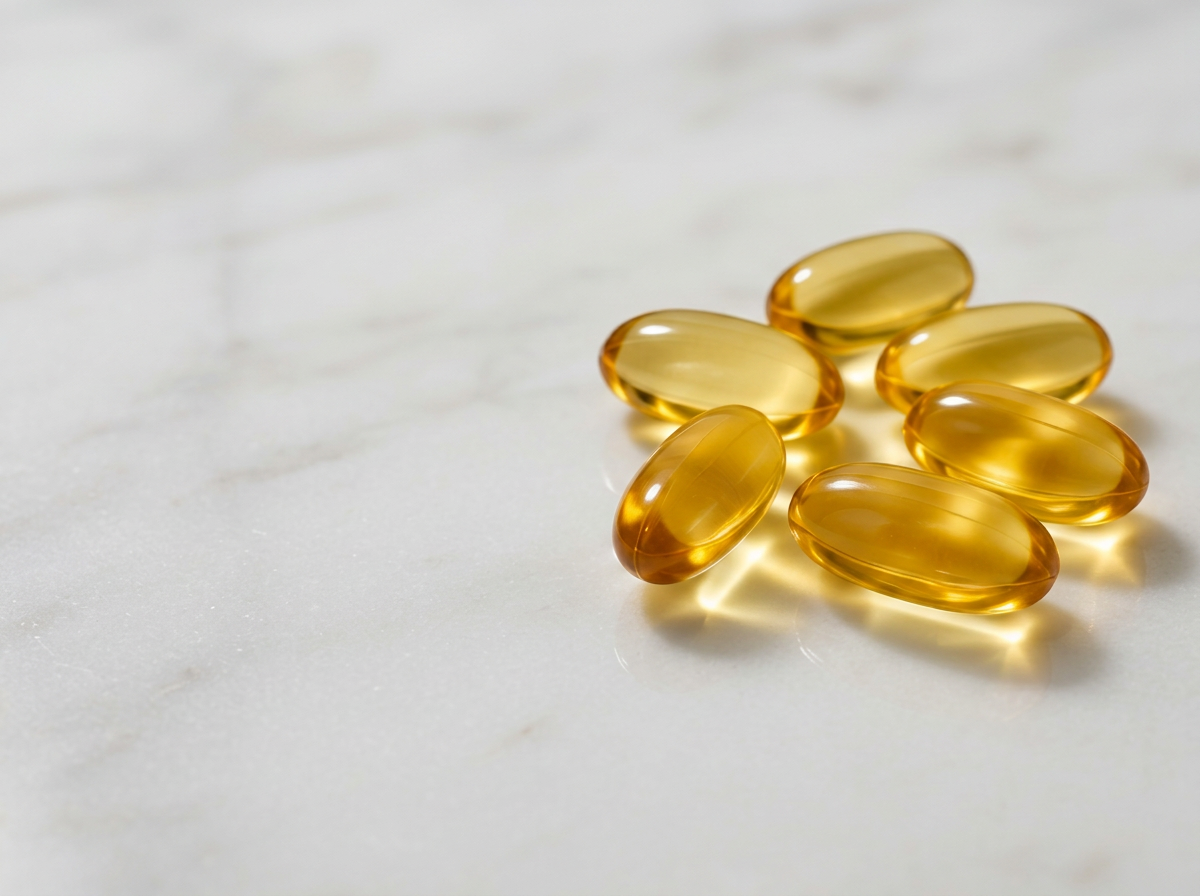
Softgels are the default format for fish oil, vitamin D, vitamin E, CoQ10, and many other oil-based nutrients. They're easy to swallow, they seal their fill away from air, and customers trust them. They're also made on specialized equipment that relatively few facilities operate. That makes the choice among soft gel capsules manufacturers, and the decision between a custom run and stock product, more consequential than it is for simpler formats.
This guide explains how softgels are made, what can and can't go inside them, and what buyers should check when sourcing softgels at wholesale scale. If you're new to the format, start with our explainer on what softgels are.
How softgel supplement manufacturing works
Most softgel supplement manufacturing uses the rotary die process. It runs in a few stages:
- The shell mass is prepared by melting gelatin (or a plant-based alternative) with a plasticizer such as glycerin and water, plus any colors.
- The mass is spread into two thin, warm ribbons that feed between a pair of rotating dies.
- As the dies turn, a pump injects a precise dose of fill between the ribbons, and the dies seal and cut out each softgel in one motion.
- Freshly formed softgels are soft and wet, so they go through tumble drying and then tray drying in low-humidity rooms, often for several days, until the shell reaches its target hardness and moisture.
- Dried softgels are inspected, sorted to remove misshapen or leaking pieces, and packaged.
The drying stage is a real capacity constraint. Room space and time, not just encapsulation speed, often limit how much a facility can produce.
What fills work in a softgel
Softgel fills need to be oils, oil-soluble ingredients, or suspensions of powders in an oil base. Water-based fills would dissolve or weaken the shell, so they aren't an option. Common fill types include:
- Straight oils: fish oil, flaxseed oil, and other marine or plant oils
- Oil-soluble vitamins dissolved in a carrier oil: vitamins A, D, E, and K
- Suspensions: powdered ingredients dispersed in oil, often with a suspending agent such as beeswax or lecithin to keep them evenly distributed
- Specialty ingredients like CoQ10 or lutein that are naturally oil-compatible
Fill volume is limited by softgel size, and larger softgels can be hard to swallow. Softgel sizes are usually described by shape and a number indicating volume, and your manufacturer will recommend a size based on the fill weight.
Shell options
Standard softgel shells are gelatin-based, usually bovine or fish gelatin. Fish gelatin can support pescatarian positioning and suits fish oil products. Plant-based shells, often made from modified starch and carrageenan, support vegetarian and vegan claims but can be more demanding to run and generally cost more. Some manufacturers also offer enteric-coated or enteric-shell softgels designed to hold together in the stomach. Any label claim about delayed release needs testing to back it up.
Quality factors to check with soft gel capsules manufacturers
Softgels share the general cGMP requirements of 21 CFR 111, plus a few format-specific checks.
| Quality factor | Why it matters |
|---|---|
| Fill weight uniformity | Each softgel must carry the same dose |
| Oxidation (for oils) | Rancid oils smell and taste bad; peroxide and anisidine values track freshness |
| Seal integrity | Weak seams cause leaking softgels that stick together in the bottle |
| Shell hardness and moisture | Too soft and softgels deform; too hard and they may crack |
| Disintegration | Aging or cross-linking can slow how quickly the shell breaks down |
| Contaminants | Marine oils are typically checked for heavy metals and environmental contaminants |
For fish oil in particular, ask how the manufacturer measures oxidation and what limits they use. Many suppliers reference industry standards such as the GOED voluntary monograph. Ask for a lot-specific certificate of analysis that shows those results. Our guide on reading a COA explains what to look for.
With softgels, freshness is a quality attribute you can smell, so buyers should expect oxidation data, not just potency.
Soft gel capsule contract manufacturing: what to expect
Soft gel capsule contract manufacturing typically carries higher minimums than capsules or tablets. Changing over a rotary die line takes time, shell mass is prepared in batches, and drying capacity is limited. Custom softgel projects also need dies for the size and shape you choose, a shell color, and stability data on the finished product. Timelines depend on fill ingredient availability, die availability, and the manufacturer's schedule, so ask for a range and what could extend it.
A few practical questions to ask any softgel supplier:
- Which shell types can you run: bovine gelatin, fish gelatin, plant-based?
- What sizes and shapes do you have dies for already?
- How do you protect oils from oxidation during processing and packaging?
- What are your drying conditions and how do you verify the endpoint?
- How are softgels protected from heat during shipping and storage?
Stock softgels vs. a custom run
For common softgel products, stock softgels are often the most practical path. The formula, dies, and stability data already exist, minimums are lower, and product can ship much faster than a custom run. Custom softgels make sense when you need a specific dose, a distinctive blend, or a plant-based shell that isn't available in stock. Our softgel vs. capsule comparison can help if you're still choosing a format.
Storage and handling
Softgels are sensitive to heat and humidity. High temperatures can soften shells and cause them to stick together, while very dry conditions can make them brittle. Store them in a cool, dry place, avoid leaving cases in hot trucks or docks, and rotate stock by expiration date.
Packaging helps too. Oils oxidize with light and oxygen exposure, so opaque or amber bottles are common for fish oil, and some packagers flush bottles with nitrogen before sealing. Blister packs give each softgel its own barrier, which suits travel or sample formats. If you sell through warm-climate markets or ship during summer, ask your supplier how product is packed for transit and whether they've had issues with sticking or leaking in heat. Those answers tell you a lot about their experience with the format.
RV Pharma is a wholesale nutraceutical distributor that stocks softgels alongside gummies, capsules, and other formats. Supplement Facts panels for stock softgels are published on product pages, every lot carries lot and expiration coding on bottle and case, and lot-specific COAs are available on request.
Frequently asked questions
How are softgel capsules made?
Most softgels are made using the rotary die process. A warm gelatin or plant-based shell mass is formed into two ribbons that pass between rotating dies, while a pump injects the fill between them. The dies seal and cut each softgel, which is then tumble dried and tray dried, often over several days, before inspection and packaging.
What can go inside a softgel?
Softgels hold oils, oil-soluble ingredients, and powders suspended in an oil base. Fish oil, vitamin D, vitamin E, and CoQ10 are common examples. Water-based liquids aren't suitable because they would weaken or dissolve the shell. Suspending agents such as beeswax or lecithin help keep powdered ingredients evenly distributed in the fill.
Why are softgel minimums higher than capsule minimums?
Softgel production requires preparing shell mass in batches, setting up size-specific dies on a rotary die machine, and drying softgels in controlled rooms for days. Those setup and drying constraints make small custom runs inefficient. Stock softgel programs usually offer lower minimums because the formula and tooling already exist.
Are there vegan softgels?
Yes. Plant-based softgel shells are commonly made from modified starch and carrageenan. They support vegetarian and vegan positioning but can be harder to manufacture and usually cost more than gelatin softgels. The fill must also be plant-based, so a fish oil softgel wouldn't qualify even with a plant-based shell.
Sourcing a program in this category? A distribution specialist can walk through formats, MOQs, and lead times with you.
Request Wholesale Pricing