Supplement Formulation 101: From Ingredient Deck to Finished Product
How a supplement formula goes from a list of ingredients to a stable, label-ready finished product, and what buyers and brand founders should expect at each step.
Supplement formulation is the work of turning a list of ingredients and amounts into a product that can actually be made, stays within its label claim through expiration, and is legal to sell. A lot of formulas look fine on a spreadsheet and fall apart on the production floor. The dose doesn't fit the capsule, the gummy won't set, or the flavor can't hide a bitter extract.
Whether you're developing a formula yourself or hiring supplement formulation services, understanding the steps helps you ask better questions and avoid expensive rework.
Step 1: Build the ingredient deck
The ingredient deck is the working list of every active ingredient, its form, its source, and the amount per serving. Form matters as much as amount. Magnesium oxide, glycinate, and citrate deliver very different amounts of elemental magnesium per gram and take up very different amounts of space. Vitamin D3 comes as a powder beadlet for dry formats and as an oil for softgels. A botanical can be a whole-herb powder, a standardized extract, or a ratio extract, and each behaves differently.
For each ingredient, the deck should capture:
- Ingredient name and exact form (salt, chelate, extract type)
- Target amount per serving and how it will be declared on the label
- Supplier, specification, and whether it's a branded ingredient
- Regulatory status, including whether it may be a new dietary ingredient requiring FDA notification
- Known interactions with other ingredients, heat, moisture, or light
This is also the right moment to run a rough cost per serving. Branded ingredients, high-potency extracts, and specialty forms can multiply raw material cost quickly. It's far easier to adjust the deck now than after samples have been approved and a label has been designed. A simple spreadsheet listing each ingredient's cost per kilogram, amount per serving, and servings per container will show you which two or three ingredients drive most of the cost, and those are usually where the useful conversations about form or dose happen.
Step 2: Match the formula to a format
Format is where product formulation supplements work gets real. Each format has physical limits, and the dose you want has to fit inside them.
| Format | Formulation strengths | Common limits |
|---|---|---|
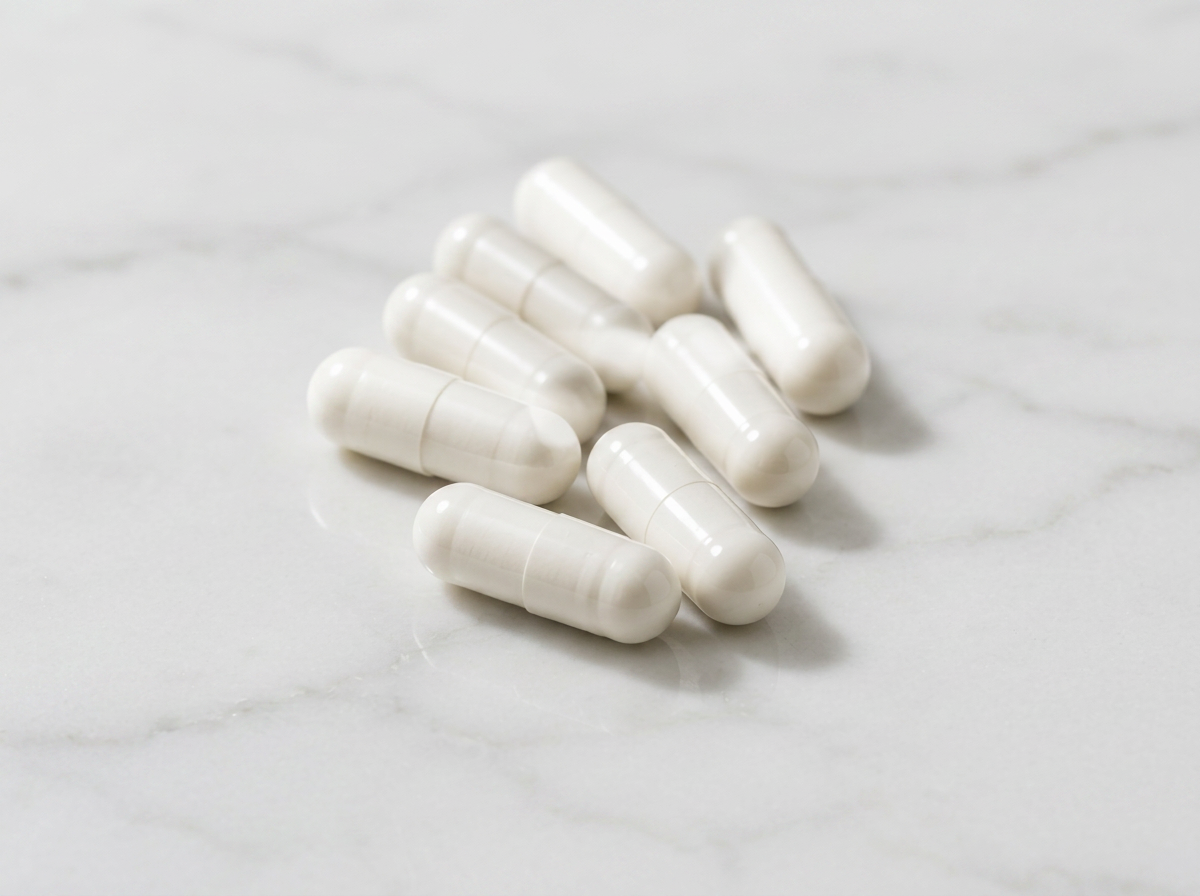
| Capsules | Flexible for most powders; simple process | Fill volume caps the dose per capsule |
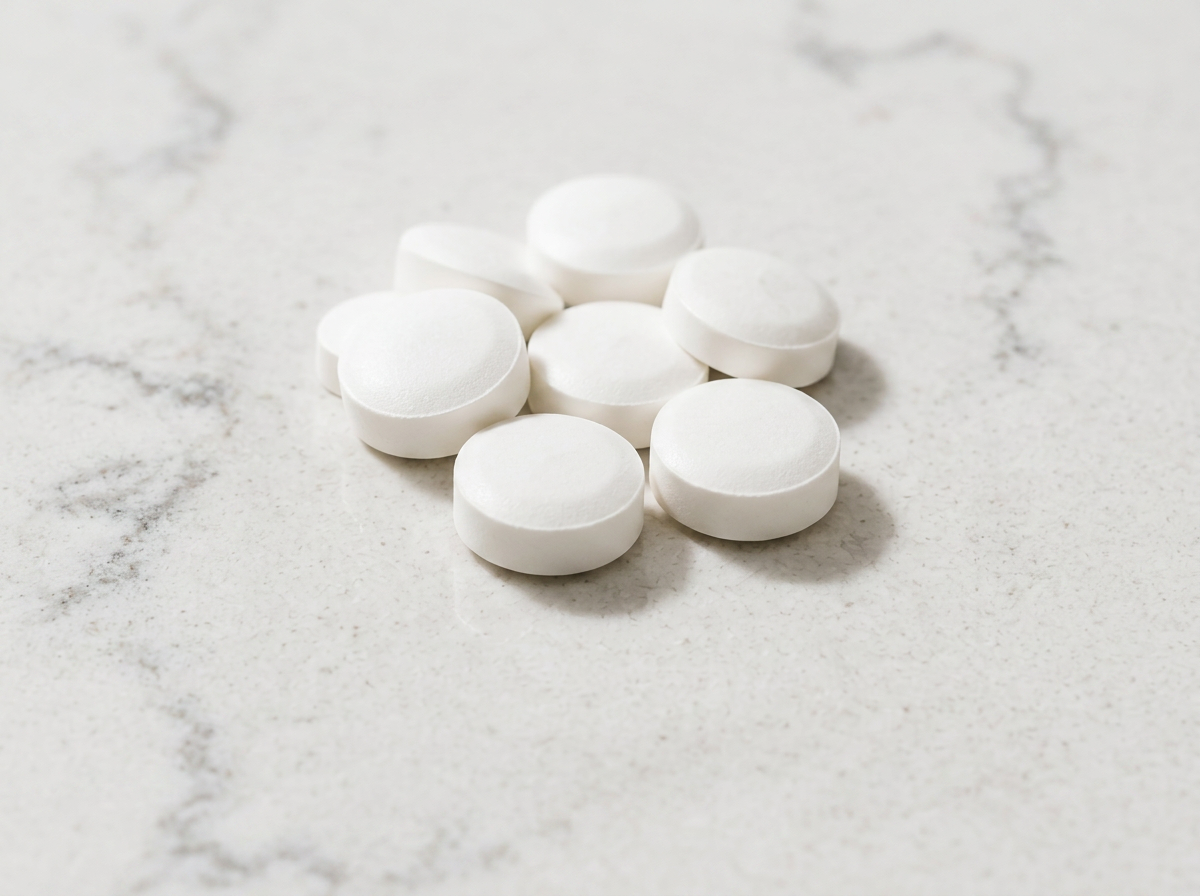
| Tablets | Higher dose per unit; coatings possible | Needs binders and compression work; larger tablets are harder to swallow |
| Softgels | Suited to oils and oil-soluble nutrients | Fill must be liquid or suspension; heat-sensitive process |
| Gummies | Strong consumer appeal | Limited active load; heat and moisture stress actives; taste masking |
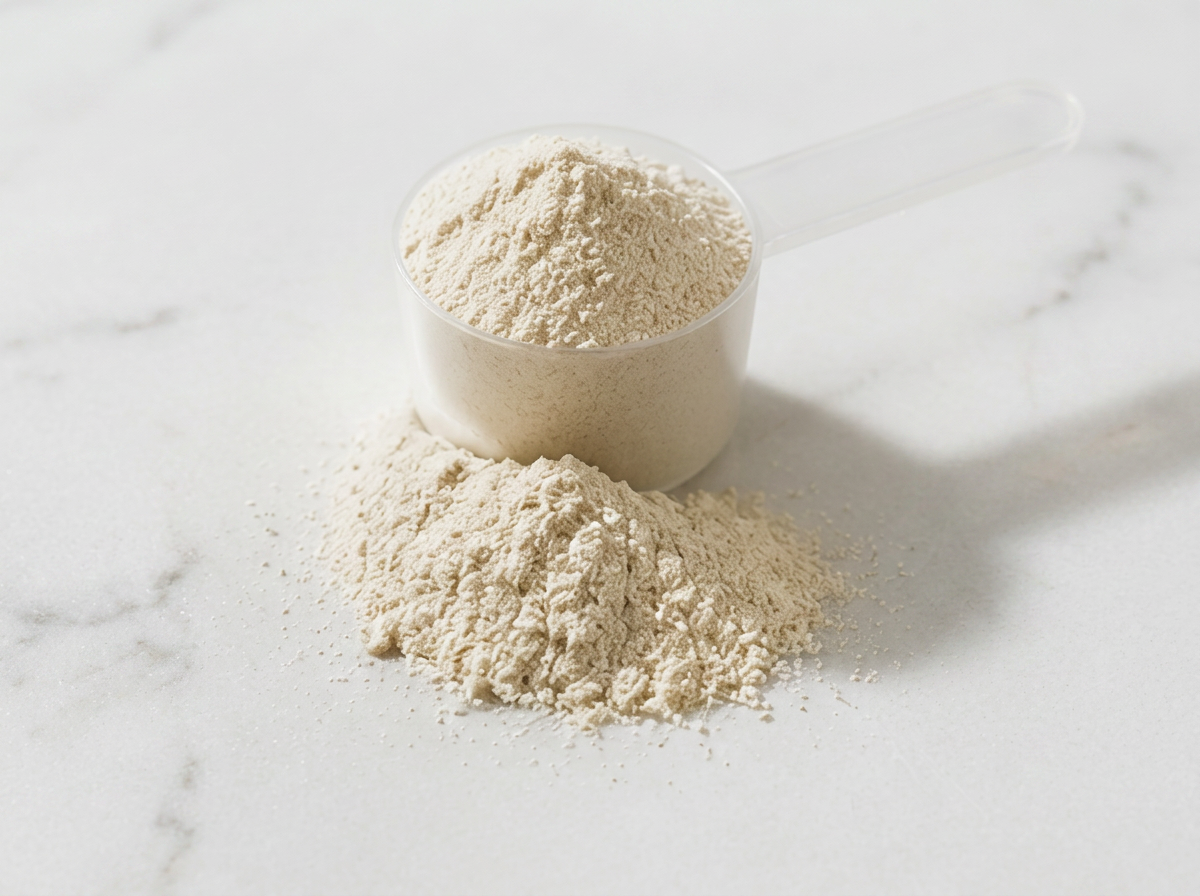
| Powders and stick packs | Large doses possible | Solubility, clumping, and flavor |
If a formula needs four capsules per serving to deliver its doses, that's a signal to reconsider the format, trim the deck, or accept a larger serving size. Our format comparison guide covers these trade-offs in more detail.
Step 3: Choose excipients
Excipients are the non-active ingredients that make manufacturing possible. Flow agents help powder move through encapsulation equipment. Binders and disintegrants help tablets hold together and then break apart. Gelling agents like pectin or gelatin give gummies their structure. Every excipient appears in the "Other ingredients" statement, so choices here affect label positioning. A brand that wants a clean-label, vegan, or allergen-free product needs to set those requirements before excipients are chosen, not after.
Step 4: Plan overages and stability
Some nutrients lose potency over time. Certain vitamins, probiotics, and some botanical markers are especially sensitive to heat, moisture, oxygen, and light. To make sure the product still meets its label claim at expiration, formulators add overages, meaning a bit more of the ingredient than the label states.
Overages have to be justified by data and kept reasonable. FDA expects a dietary supplement to contain what its label declares, and the compliance rules in 21 CFR 101.9(g), which the supplement labeling regulation points to, set expectations for how close the actual content must be. Too little overage risks falling below claim; too much can create its own problems with upper intake levels and cost.
Stability testing confirms the choices. Real-time studies at normal storage conditions are the most reliable basis for an expiration date. Accelerated studies at higher temperature and humidity can give earlier directional data. Our article on supplement shelf life explains how these fit together.
A formula isn't finished when it looks right on paper. It's finished when it still meets label claim on the last day of its shelf life.
Step 5: Samples, pilots, and specifications
Bench samples let you check taste, color, texture, and size before committing to a full run. A pilot batch then tests the formula on production-like equipment. This is where blend uniformity, capsule fill weight variation, tablet hardness, or gummy set time show up.
Once the pilot works, the manufacturer and brand agree on a finished product specification. Under 21 CFR 111, specifications must cover identity, purity, strength, and composition, plus limits on contaminants. Typical specifications include:
- Identity and strength for each labeled dietary ingredient, or a scientifically valid approach to confirming them
- Physical attributes: weight, appearance, disintegration where relevant
- Microbiological limits
- Heavy metal limits, often set with California Proposition 65 in mind for products sold there
Step 6: Label and claims review
The Supplement Facts panel follows 21 CFR 101.36, with its own rules for serving size, units, and % Daily Value. Botanicals must name the plant part used. Proprietary blends must list the total blend weight and ingredients in descending order of weight. Any structure/function claim needs the standard FDA disclaimer and a notification to FDA within 30 days of marketing, and the brand needs evidence to back it up. Disease claims aren't allowed on supplements at all.
What to expect from supplement formulation services
Good supplement formulation services will push back on your deck. They'll tell you when a dose won't fit, when an ingredient will cause stability issues, or when a claim you want isn't supportable. That friction is valuable. Expect to go through a few rounds of revisions, and ask upfront how many sample rounds are included, who owns the final formula, and whether stability testing is part of the quote.
RV Pharma is a wholesale nutraceutical distributor carrying stock products across ten formats, from gummies and softgels to powders and lozenges. For brands exploring something new, custom formulas are quoted per formula. Browse our product formats or reach out to talk through whether a stock product or a custom formulation fits your plan.
Frequently asked questions
What is supplement formulation?
Supplement formulation is the process of designing a dietary supplement: choosing active ingredients and their forms, setting doses, selecting a format and excipients, planning overages for stability, and defining finished product specifications. The goal is a product that can be manufactured consistently, meets its label claim through expiration, and complies with U.S. labeling and cGMP rules.
What do supplement formulation services include?
They typically include a feasibility review of your ingredient list, format recommendations, excipient selection, cost estimates, bench samples, and help setting specifications. Many providers also coordinate stability testing and Supplement Facts panel drafting. Scope varies, so ask how many sample rounds are included and who owns the formula at the end.
Why do supplements contain overages?
Some ingredients lose potency over time due to heat, moisture, light, or oxygen. Overages are small additional amounts added during manufacturing so the product still meets its label claim at the end of its shelf life. They should be based on stability data and kept within sensible limits rather than set arbitrarily.
How long does it take to formulate a supplement?
It varies widely. A simple capsule using common ingredients can move quickly, while a gummy with sensitive actives or a formula needing new stability data can take considerably longer. Ingredient sourcing, sample revisions, and testing are the usual drivers. Treat early estimates as ranges and ask what could extend them.
Sourcing a program in this category? A distribution specialist can walk through formats, MOQs, and lead times with you.
Request Wholesale Pricing