Lot Numbers and Traceability: Why Every Bottle Needs a Paper Trail
A lot number connects a single bottle to its ingredients, test results, and every place it shipped. Here is what the rules require and how buyers keep the chain intact.
A supplement lot number is a short code that carries a lot of history. Printed on the bottle and the case, it links that unit to the batch record that made it, the raw material lots that went into it, the test results that released it, and the shipments that carried it to a distributor, a retailer, or a customer. When a question comes up about quality, labeling, or safety, the lot number is where every answer starts.
This guide explains what lot and batch numbers are, what U.S. rules require, how traceability works in practice, and what distributors and retailers should record so the paper trail does not break at their door.
Supplement lot number vs. batch number
The dietary supplement cGMP regulation, 21 CFR Part 111, defines both terms. A batch is a specific quantity of supplement that is uniform, is intended to meet specifications, and is produced under a single batch production record during the same cycle of manufacture. A lot is a batch or a specific identified portion of a batch. In everyday use, a supplement batch number and a lot number often refer to the same thing, but a single production batch can sometimes be packaged into multiple lots.
Either way, the code on the label is the identifier that ties a finished unit back to its production record. It is usually paired with an expiration or best-by date, and both should appear on the bottle and on the outer case.
Codes are typically applied by inkjet or laser coders on the packaging line, or pre-printed on labels. Formats vary by manufacturer and may include letters, numbers, and a date code. There is no single federal format for lot codes, so what matters is that the code is legible, permanent enough to survive handling, and consistent between the bottle, the case, and the records.
What the regulations require
Several sets of rules create the traceability chain for supplements in the United States.
- 21 CFR Part 111 (cGMP): manufacturers must assign a batch, lot, or control number to finished product and keep records that allow them to determine the complete manufacturing history and control of a packaged and labeled supplement through distribution. Component and packaging lots used in each batch are recorded as well.
- Record retention under Part 111: records generally must be kept for one year past the shelf-life date, if one is used, or two years beyond distribution of the last batch associated with those records.
- Food facility recordkeeping (21 CFR Part 1, Subpart J): because dietary supplements are regulated as food, businesses that manufacture, pack, hold, distribute, or receive them generally must keep records identifying the immediate previous source and the immediate subsequent recipient. This is often called one-up, one-down traceability, and records must be available to FDA promptly on request.
- Complaint and adverse event handling: Part 111 requires manufacturers to review product complaints, and the responsible person named on the label must report serious adverse events to FDA. Both depend on knowing the lot involved.
The details of who must keep what depend on a company's role, so manufacturers, packers, and distributors should confirm their specific obligations. The principle is consistent: every business in the chain should be able to say where a lot came from and where it went.
Traceability only works if nobody in the chain drops the lot number.
How lot traceability supplements recalls and complaints
Lot traceability for supplements is what turns a potential company-wide problem into a contained one. Consider a complaint about an off odor in a bottle of softgels. With the lot number, the manufacturer can pull the batch record, check retained samples, review the COA, and see whether other complaints came from the same lot. If the issue is real, a recall can target that lot instead of every lot ever produced.
Without a lot number, or with a distributor who did not record which lots went to which customers, the only safe option may be to pull far more product than necessary. That costs everyone money and trust. Our recall readiness guide covers how to prepare for that scenario.
What distributors and retailers should record
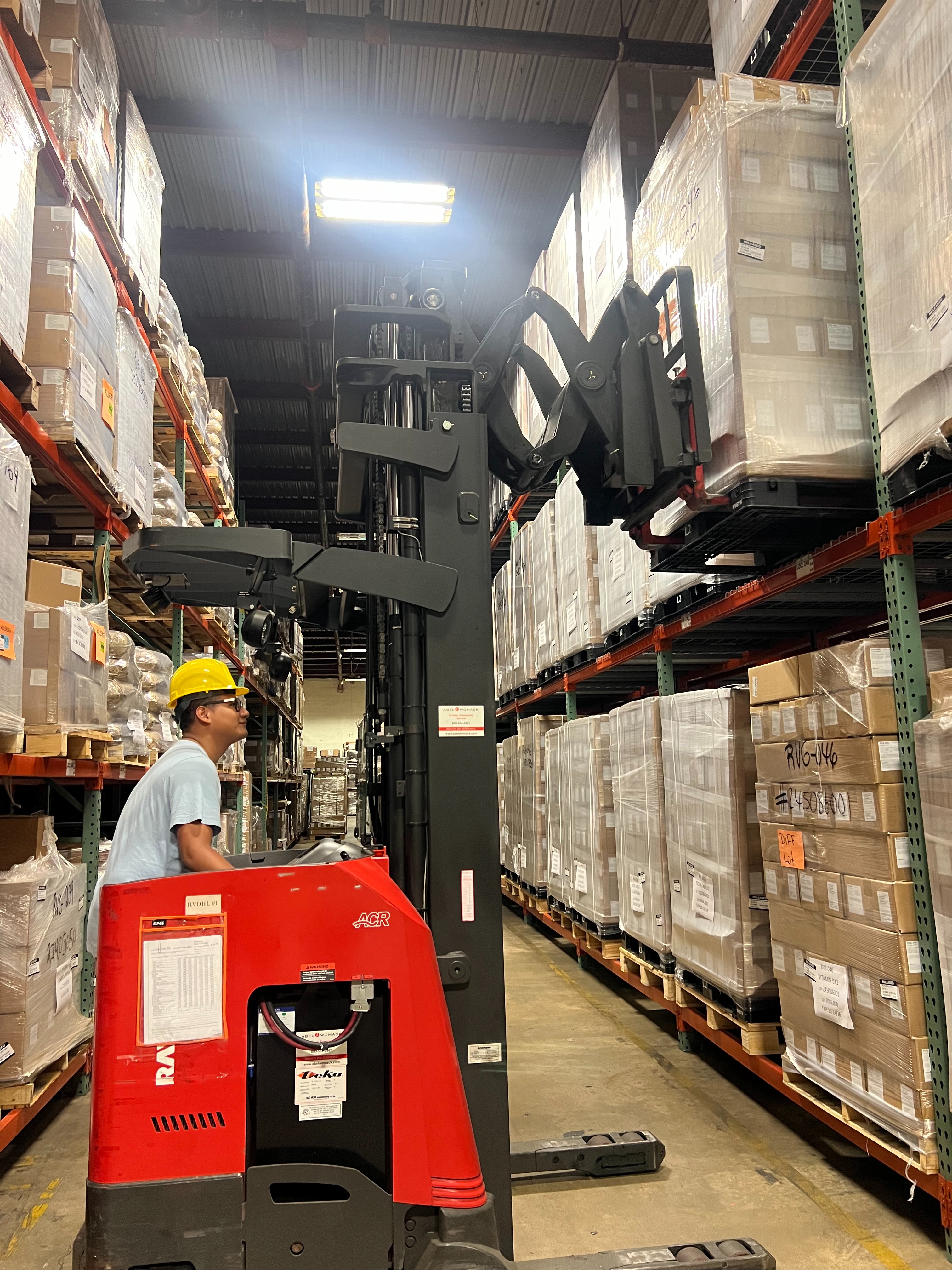
Manufacturers own the batch record, but the chain breaks easily after product leaves the plant. Buyers who hold and resell inventory should capture:
| When | What to record |
|---|---|
| Receiving | SKU, lot number, expiration date, quantity, supplier, PO, receipt date |
| Storage | Location by lot, any temperature excursions affecting that lot |
| Shipping | Customer, order number, lot numbers shipped, quantities, ship date |
| Returns | Lot number, reason, condition, disposition |
| Complaints | Lot number, description, date, customer contact, follow-up |
If your system records shipments only by SKU, a recall notice for one lot turns into a manual search through packing slips. Recording the lot at the pick or pack step fixes that. Many warehouse systems can scan lot and expiration data from case labels, which is faster and more accurate than typing it in.
Linking the lot to its documentation
A lot number is also the key to quality documents. A lot-specific certificate of analysis (COA) shows the test results for that exact lot against its specifications. When evaluating a supplier, ask whether COAs are available by lot, what tests they include, and how quickly they can be provided. Our guide on how to read a certificate of analysis walks through what to look for.
- Request a sample COA before your first order to understand the supplier's testing.
- Match the lot number on received cases to the lot on any COA you request.
- Store COAs by lot alongside your receiving records.
- Keep labels and packaging specs for each lot, especially when label versions change.
Common traceability gaps
- Lot numbers printed on the case but not the bottle, or vice versa.
- Codes that smear, fade, or are printed where they get covered by a price sticker.
- Mixed lots within one case without clear labeling.
- Split or repackaged product that loses its original lot identity.
- Bundles or kits that combine several lots without recording each one.
Each of these makes it harder to act quickly and precisely when it matters. Most are easy to fix once someone looks for them.
RV Pharma ships every lot with lot and expiration coding on both bottle and case, and lot-specific COAs are available on request. A redacted sample COA is on our Buyer Resources page so you can see the format before you order.
Frequently asked questions
Where is the lot number on a supplement bottle?
It is usually printed or embossed on the bottle label, the bottom of the bottle, or the side of the label near the expiration date. It should also appear on the outer shipping case. If you cannot find a lot number on a supplement, contact the brand or supplier, since finished dietary supplements are expected to carry one.
Is a batch number the same as a lot number?
Often, yes. Under 21 CFR Part 111, a batch is a uniform quantity produced under one batch record, and a lot is a batch or an identified portion of one. Many companies use one code for both. Either way, the number links the finished product to its production and testing records.
How long must supplement lot records be kept?
Under the dietary supplement cGMP rule, records generally must be kept for one year past the shelf-life date, if shelf-life dating is used, or two years beyond distribution of the last batch associated with those records. Distributors should also follow FDA food facility recordkeeping rules for one-up, one-down traceability.
Sourcing a program in this category? A distribution specialist can walk through formats, MOQs, and lead times with you.
Request Wholesale Pricing