Private Label Supplement Manufacturers USA: Why Domestic Sourcing Matters
Domestic sourcing affects compliance, speed, and traceability. Here is why buyers look for private label supplement manufacturers in the USA and what a U.S. origin really guarantees.
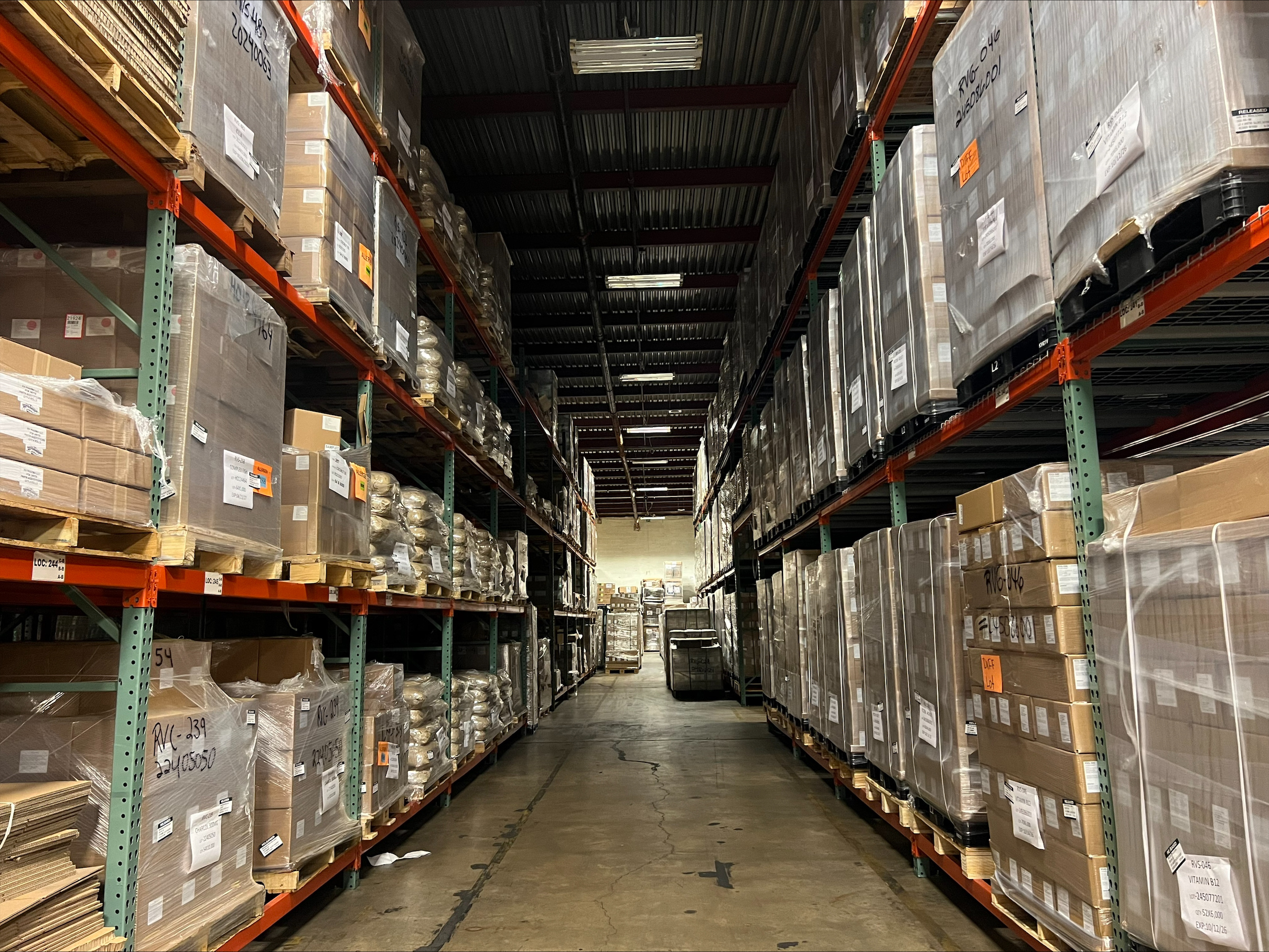
For many retail buyers and brand owners, working with private label supplement manufacturers USA-based is a baseline requirement, not a preference. Domestic production puts your product under direct U.S. regulatory oversight, shortens shipping, simplifies communication, and makes traceability easier when something needs to be checked quickly. It also supports what many customers want to see on a label: a product made in America.
That said, "domestic" can mean different things, and a U.S. address alone does not guarantee quality. This guide explains what domestic sourcing actually provides, where its limits are, and how to verify the claims suppliers make.
What Domestic Manufacturing Provides
Dietary supplements sold in the U.S. must be made under FDA's cGMP rule, 21 CFR 111, whether they are made here or abroad. The difference with supplement manufacturers USA-based is proximity to that oversight. FDA inspects domestic facilities directly, and buyers can visit, audit, and communicate with a U.S. plant far more easily than an overseas one.
- Regulatory oversight. Domestic facilities are registered with FDA as food facilities and subject to FDA inspection under U.S. law.
- Speed. Finished goods travel by ground or short air routes instead of ocean freight and customs clearance, which shortens reorder cycles.
- Traceability. Lot records, certificates of analysis, and complaint investigations move faster when everyone works in the same time zones and legal system.
- Supply chain stability. Domestic production reduces exposure to port delays, tariffs, and long transit that can disrupt in-stock rates.
- Accountability. When a complaint, adverse event report, or label question comes in, a domestic supplier can pull batch records and respond quickly, which helps you meet your own reporting and response obligations.
What Domestic Sourcing Does Not Guarantee
Being in the U.S. is not a quality certification. A few points worth keeping in mind:
- FDA registration is required for food and supplement facilities, but it is not an FDA approval of the facility or its products.
- Many raw materials used by a supplement manufacturer USA-based are sourced globally. Vitamins, botanicals, and specialty ingredients often come from overseas suppliers, so identity testing of incoming ingredients matters just as much at a domestic plant.
- Quality varies from plant to plant. Third-party certifications and lot-level testing give you evidence that an address cannot.
- Distributors and brand owners in the U.S. may source finished goods from several facilities. That is common and workable, as long as the supplier can tell you which facility made each lot and provide the records to match.
Where a product is made tells you who oversees it; testing and documentation tell you whether it was made right.
Private Label Supplements USA: Getting the Origin Claim Right
Many brands want to put "Made in USA" on their private label supplements USA-made programs. That claim is regulated. The FTC's standard for an unqualified Made in USA claim is that the product is "all or virtually all" made in the U.S., which includes significant parts and processing. The FTC's Made in USA Labeling Rule applies this standard to labels, and violations can bring civil penalties.
Because many supplement ingredients are imported, a qualified claim is often the accurate choice. Common approaches include:
| Claim type | Example wording | When it fits |
|---|---|---|
| Unqualified | Made in USA | All or virtually all ingredients and processing are domestic |
| Qualified | Made in USA with domestic and imported ingredients | Manufactured domestically with some imported inputs |
| Process-specific | Manufactured and packaged in the USA | Describes a specific domestic step accurately |
| Distributor statement | Distributed by [company], [city, state] | Required name and place of business; not an origin claim |
Ask your supplier for written support for any origin claim you plan to use. If you cannot confirm ingredient origin, stick to a qualified or process-specific statement.
Private Label Supplement Manufacturers USA: A Vetting Checklist
Use these questions on your first call with any domestic supplier, and ask for documents rather than verbal answers wherever you can. A supplier that is confident in its operation will send certifications, a sample COA, and label data without hesitation.
- Confirm where finished product is manufactured and packaged, and that the facilities are FDA registered.
- Ask for evidence of cGMP compliance and third-party certifications such as NSF/ANSI 455-2.
- Request a sample certificate of analysis and confirm lot-specific COAs are available for every order.
- Ask how incoming ingredients are identity tested, especially imported botanicals and specialty ingredients.
- Check that bottles and cases carry lot and expiration coding.
- Get written ship times for stock goods and reorders, and check references on whether those held.
Incoming ingredient checks deserve special attention. Under 21 CFR 111, manufacturers must verify the identity of each dietary ingredient before use and set specifications for purity, strength, and composition. For botanicals and other ingredients with known adulteration risks, ask what test methods are used and whether any testing is done by an outside lab. For more on the rule these checks are built around, see our cGMP and 21 CFR 111 guide.
Domestic Sourcing and Retail Readiness
For buyers selling into pharmacies, grocers, and other retailers, domestic sourcing also helps with retail compliance. Faster, predictable replenishment protects fill rates. Clear lot coding and quick access to COAs make vendor onboarding and quality questionnaires easier. And a stable domestic supply chain means fewer surprise delays during high-demand seasons, such as the fall and winter run on immune-support products.
E-commerce sellers benefit too. Short, predictable transit to fulfillment centers keeps listings in stock, which matters for search ranking and customer trust. It also makes it easier to meet fulfillment center prep and labeling requirements, since you can resolve questions with your supplier the same day. When a product sells faster than expected, a domestic supplier can often turn a stock reorder in days rather than the weeks or months ocean freight can take.
Sourcing From RV Pharma
RV Pharma is a wholesale supplement distributor headquartered in Holbrook, New York, supplying retailers, pharmacies, distributors, and e-commerce businesses across North America. Products are made in cGMP compliant, FDA registered facilities, NSF/ANSI 455-2 certified, and third-party tested, and stock orders ship in an estimated 3–10 days. Learn more on our why RV Pharma page.
Frequently asked questions
Are supplements made in the USA better quality?
Not automatically. All supplements sold in the U.S. must meet FDA's cGMP rule, wherever they are made. Domestic production offers closer FDA oversight, easier audits, and faster communication, but quality depends on each facility's systems. Verify with third-party certifications, lot testing, and certificates of analysis.
Can I put Made in USA on my private label supplement?
Only if it meets the FTC standard of being all or virtually all made in the U.S., including ingredients and processing. Because many supplement ingredients are imported, a qualified claim such as made in USA with domestic and imported ingredients is often more accurate. Get written support from your supplier first.
Does FDA registration mean a supplement is FDA approved?
No. Facilities that manufacture, pack, or hold supplements for U.S. consumption must register with FDA, but registration is not an approval or endorsement. Dietary supplements do not receive FDA approval before sale. Registration mainly lets FDA know where facilities are and supports inspections.
Why do domestic supplement suppliers ship faster?
Finished goods move by ground or short air routes instead of ocean freight, and there is no customs clearance at the border. That shortens transit and reorder cycles and reduces exposure to port delays, which helps retailers and e-commerce sellers stay in stock.
Sourcing a program in this category? A distribution specialist can walk through formats, MOQs, and lead times with you.
Request Wholesale Pricing