
How to Buy Supplements Wholesale: A First-Order Walkthrough
Buying wholesale for the first time is straightforward once you know the sequence. This walkthrough covers setup, supplier vetting, quotes, and what to check when the pallet arrives.
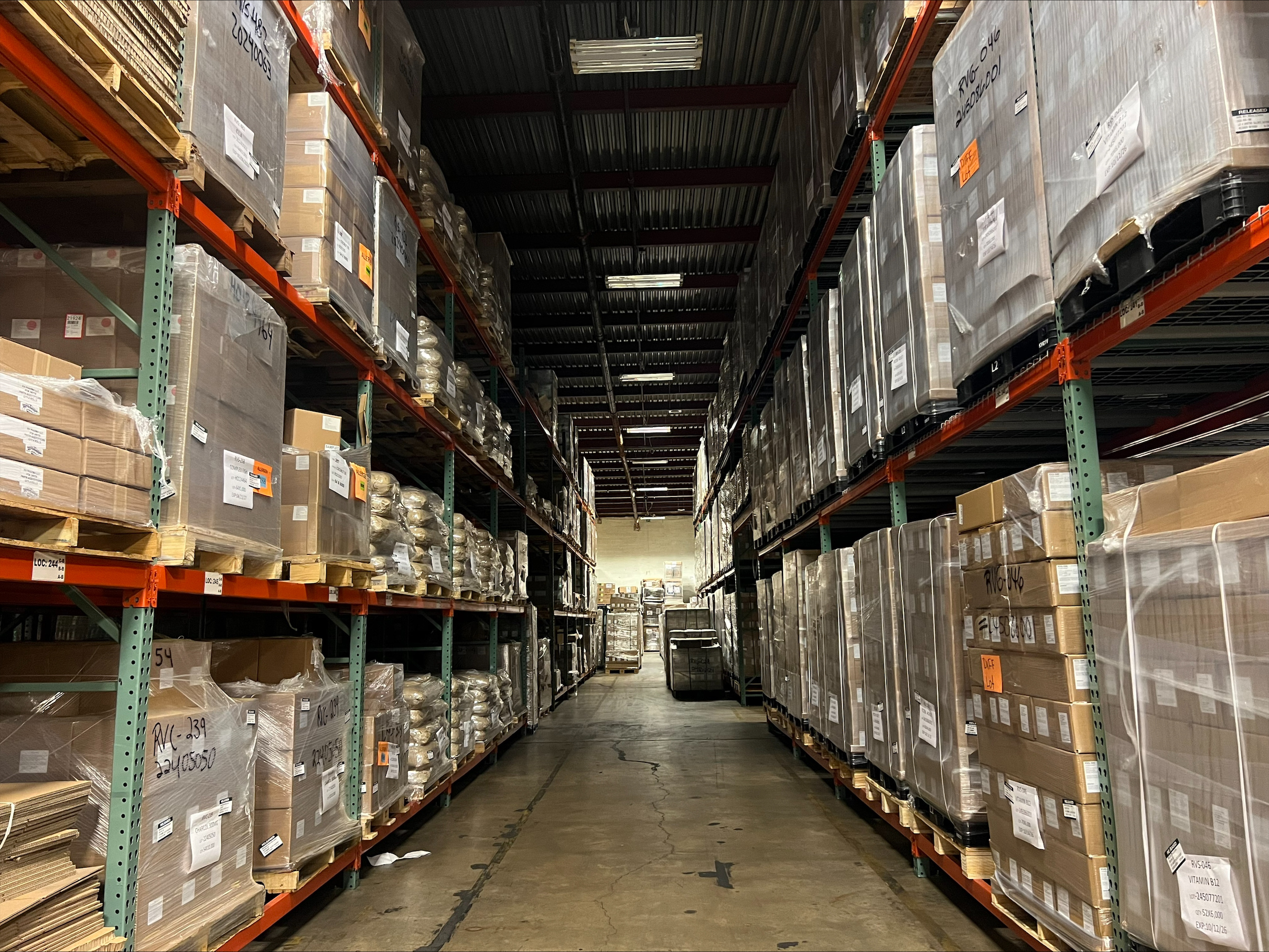
If you are learning how to buy supplements wholesale for a store, an online shop, a clinic, or a new brand, the process is less mysterious than it looks. Wholesale suppliers want qualified business buyers, clear order details, and a smooth first transaction. What trips up first-time buyers is usually not price. It is missing paperwork, unclear expectations about minimums and shipping, and skipping the quality checks that protect them later.
This walkthrough follows a first order from business setup through receiving, with the questions worth asking at each step.
Step 1: Get your business ready to buy
Wholesale supplements are sold to businesses, and most suppliers will ask you to open an account before quoting or shipping. Have these ready:
- A registered business entity and federal EIN.
- A state sales tax permit and a resale certificate if you plan to resell, so the supplier can document tax-exempt sales where applicable.
- A business address, ideally one that can receive freight deliveries.
- Business contact details and, for larger accounts, trade or bank references if you want payment terms.
- A basic description of where you will sell: retail store, e-commerce, Amazon, practitioner office, or distribution.
Sales tax rules vary by state, so confirm with your accountant how resale certificates work where you operate and where you sell.
Step 2: Decide where to buy wholesale supplements
The right source depends on what you are selling and how much you need. Brand-name products usually come through authorized distributors or the brand itself. Your own label comes through a private-label supplier or manufacturer. Generic stock items can come from a wholesale distributor that carries ready-to-ship formats.
| Source | Best for | Watch for |
|---|---|---|
| Brand or its authorized distributor | Reselling established national brands | Authorized-reseller policies, MAP pricing, account minimums |
| Wholesale distributor with stock programs | Fast access to common formats, private label on stock formulas | Minimums by format, remaining shelf life |
| Contract manufacturer | Custom formulas at scale | Longer timelines, higher minimums, development costs |
| Online marketplaces and liquidators | One-off buys | Unclear sourcing, short dating, diverted product |
Be cautious with sources that cannot tell you where product was made or provide lot documentation. Diverted or gray-market goods can be short-dated, stored poorly, or not authorized for resale, and some marketplaces and brands actively enforce against them. Our guide to wholesalers, distributors, and manufacturers explains how each type of supplier works.
Step 3: Vet quality before price
Anyone can post a price list. What separates a reliable supplier is documentation. Before you commit, ask:
- Is the product made under cGMP according to 21 CFR 111, and in an FDA-registered facility?
- Is the product third-party tested, and can you share lot-specific certificates of analysis?
- Does every unit and case carry lot and expiration coding?
- Are Supplement Facts panels available for review before you order?
- How much shelf life remains on stock when it ships?
- What happens if product arrives damaged or does not match the order?
A supplier that answers these clearly and quickly is usually one that will support you when a retailer, marketplace, or customer asks questions later. If you have not reviewed a COA before, read how to read a certificate of analysis before your first order.
The cheapest wholesale price is expensive if the product cannot pass your retailer's paperwork.
Step 4: Request and compare quotes
When you know how to get wholesale supplements quoted properly, comparisons get much easier. Give each supplier the same information: product, format, count per bottle, quantity, packaging needs, destination, and timing. Then compare quotes line by line rather than on a single unit price.
- Unit price at each volume tier, and where the tier breaks fall.
- Minimum order quantity by format or SKU.
- Packaging and labeling costs, if you are private labeling.
- Freight terms and estimated shipping cost to your location.
- Estimated ship time for stock items versus custom or private-label work.
- Payment terms, deposits, and accepted payment methods.
Quotes that bury freight or packaging charges can look cheaper than they are. Ask for itemized pricing so you can see the real landed cost per unit.
Step 5: Place the order and plan receiving
Once you accept a quote, confirm the details in writing with a purchase order: SKUs, quantities, pricing, ship-to address, delivery requirements, and any labeling or case-marking instructions. If you are shipping to a retailer's warehouse or Amazon, share their routing and prep requirements with your supplier up front. Changing labels or pallet configurations after production is slower and more expensive than getting it right the first time.
Plan for how the order will arrive. Parcel shipments go to almost any address. Pallets moving by LTL freight may need a loading dock, a liftgate, or an appointment. Tell the supplier what your location can handle.
Step 6: Inspect what arrives
Receiving is your last chance to catch problems cheaply. Before you put stock on the shelf or send it onward:
- Count cases and units against the packing list and purchase order.
- Check for crushed cases, broken seals, or leaking and deformed product, especially gummies and softgels after hot-weather transit.
- Record lot numbers and expiration dates for every SKU so you can trace product and rotate stock.
- Confirm labels match the approved artwork or product specification.
- Report any discrepancy to the supplier right away, with photos, within their stated claim window.
Store product in a cool, dry place away from direct sunlight and rotate stock so earlier-expiring lots sell first. Good records from day one make reorders, retailer questions, and any future recall far easier to handle.
How to buy supplements wholesale without the usual first-order mistakes
Most first-order problems are avoidable. The ones that come up again and again are worth checking against before you send a purchase order:
- Ordering too much to reach a lower price tier, then watching product approach its expiration date on the shelf.
- Choosing a format that does not suit the channel, such as heat-sensitive gummies for summer marketplace fulfillment without a plan for transit.
- Skipping a label review, then learning a retailer or marketplace needs changes after the stock has arrived.
- Comparing quotes on unit price alone while ignoring freight, packaging, and payment terms.
- Failing to record lot numbers at receiving, which makes complaints and reorders harder to manage.
A smaller first order that sells through cleanly teaches you more about demand than a large one that sits. Reorder based on actual sales, then move up tiers as volume proves out.
RV Pharma is a wholesale distributor supplying retailers, pharmacies, e-commerce sellers, and brands across North America. Stock orders ship in an estimated 3 to 10 days, stock gummy programs start at 1,000 bottles, and every lot ships with lot and expiration coding. See how ordering works or send us your list for an itemized quote.
Frequently asked questions
Do you need a business license to buy supplements wholesale?
Most wholesale suppliers sell only to businesses and will ask for a registered entity, EIN, and often a resale certificate before opening an account. Requirements vary by supplier and state. Having your business paperwork ready before reaching out makes account setup faster and helps you get accurate quotes.
Where can I buy wholesale supplements for my store?
Established brands are usually bought from the brand or its authorized distributors. For private label or generic stock formats, work with a wholesale distributor or manufacturer that provides cGMP documentation, lot-specific COAs, and clear shelf-life information. Avoid sources that cannot document where product was made.
What is the minimum order for wholesale supplements?
Minimums vary by supplier, format, and whether the product is stock or private label. Stock items typically have lower minimums than custom formulas, which carry setup and production costs. Ask for minimums by SKU and format, and compare how unit pricing changes across volume tiers.
How long does a wholesale supplement order take to ship?
Stock items from a distributor often ship within days, while private-label and custom orders take longer because of labeling, packaging, or production. Ask each supplier for an estimated ship time on your specific items, and build in time for freight transit and receiving at your location.
Sourcing a program in this category? A distribution specialist can walk through formats, MOQs, and lead times with you.
Request Wholesale Pricing