Supplement Wholesalers vs. Distributors vs. Manufacturers: Who Does What
Wholesaler, distributor, and manufacturer get used interchangeably, but they play different roles. Knowing who does what helps you source faster and ask the right questions.
Search for supplement wholesalers and you will find manufacturers, distributors, brokers, importers, and resellers all using the same words. For a buyer, the labels matter less than the roles behind them. Who makes the product? Who holds inventory? Who is responsible for quality documentation? Who ships it to you, and how fast? Answer those questions and you will know exactly what kind of supplier you are dealing with.
This guide lays out the main roles in the supplement supply chain, how each one makes money, and how to decide which fits your business.
The supplement supply chain in one view
Most finished supplements pass through some version of this chain: ingredient suppliers sell raw materials to manufacturers; manufacturers turn them into finished goods; wholesalers and distributors buy, warehouse, and move those goods; and retailers or online sellers sell them to consumers. Some companies cover more than one step. A manufacturer may sell direct, and a distributor may offer private label or packing services.
| Role | Primary function | Typical buyer | What you get |
|---|---|---|---|
| Manufacturer | Formulates and produces finished products under cGMP | Brands, private-label clients | Custom formulas, control, higher minimums |
| Supplement wholesaler | Buys finished goods in volume and resells in smaller quantities | Retailers, online sellers, practitioners | Ready-to-sell stock, lower minimums |
| Distributor | Holds inventory, manages logistics, and services accounts across a region or channel | Retail chains, pharmacies, independents | Consistent supply, delivery, account support |
| Broker | Represents brands to buyers for a commission; does not hold stock | Brands seeking retail placement | Introductions and sales representation |
What supplement wholesalers do
A supplement wholesaler buys finished products in large quantities and resells them to businesses in smaller quantities. The value is access: a retailer or online seller can buy a few cases instead of a production run. Wholesalers earn a margin on the difference between their purchase cost and their selling price.
Pure wholesalers tend to focus on buying and reselling. They may carry many brands, offer price lists, and ship from their own warehouse. Service levels vary widely, so ask about documentation, dating, and returns before you order.
What distributors do differently
In everyday use, wholesaler and distributor overlap heavily, and many companies are both. The distinction, where there is one, is scope. A distributor usually takes on more of the logistics and account management: holding deeper inventory, delivering on a schedule, handling EDI with retail chains, managing promotions, and in some cases acting as the authorized channel for specific brands in a region.
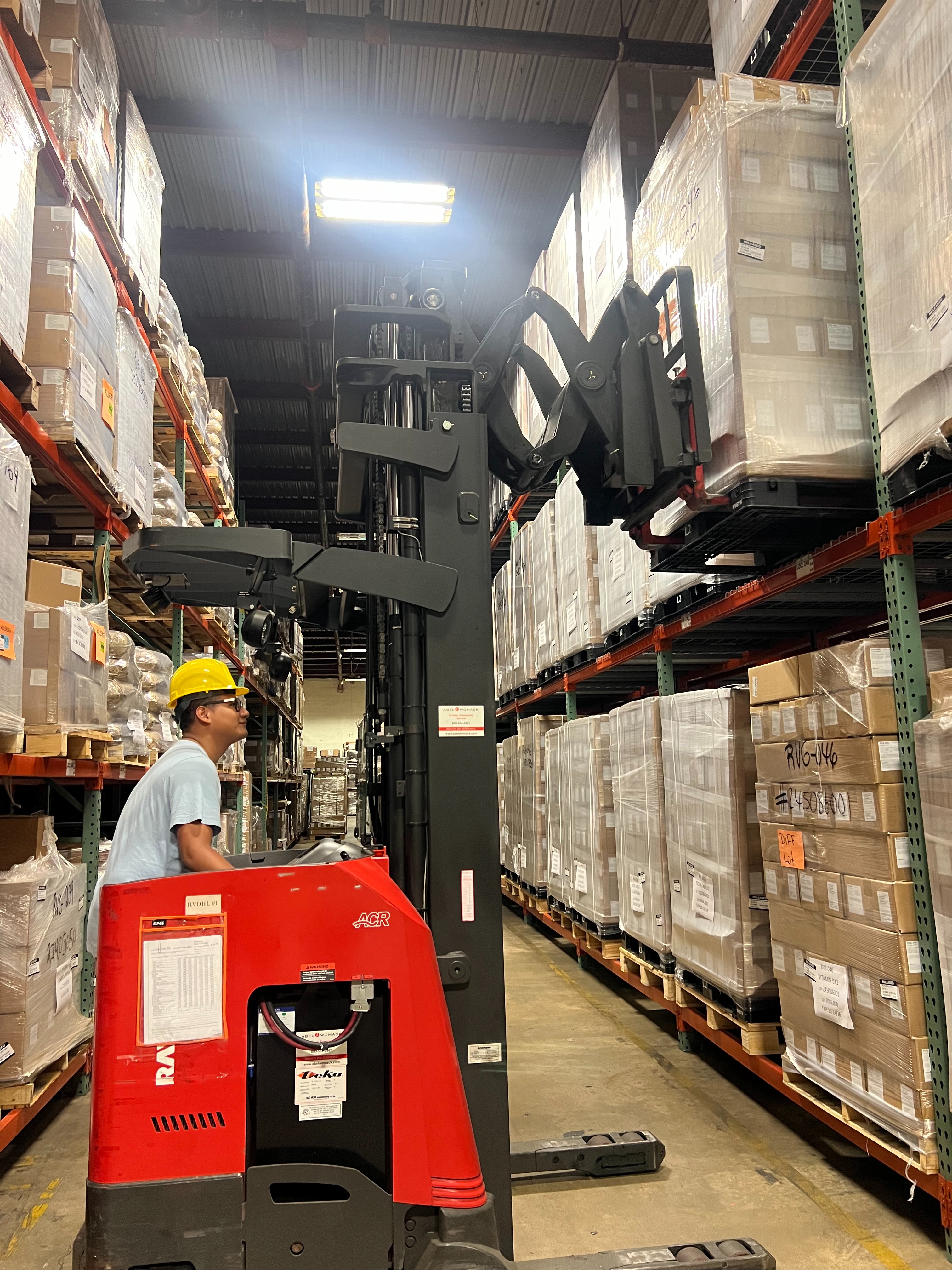
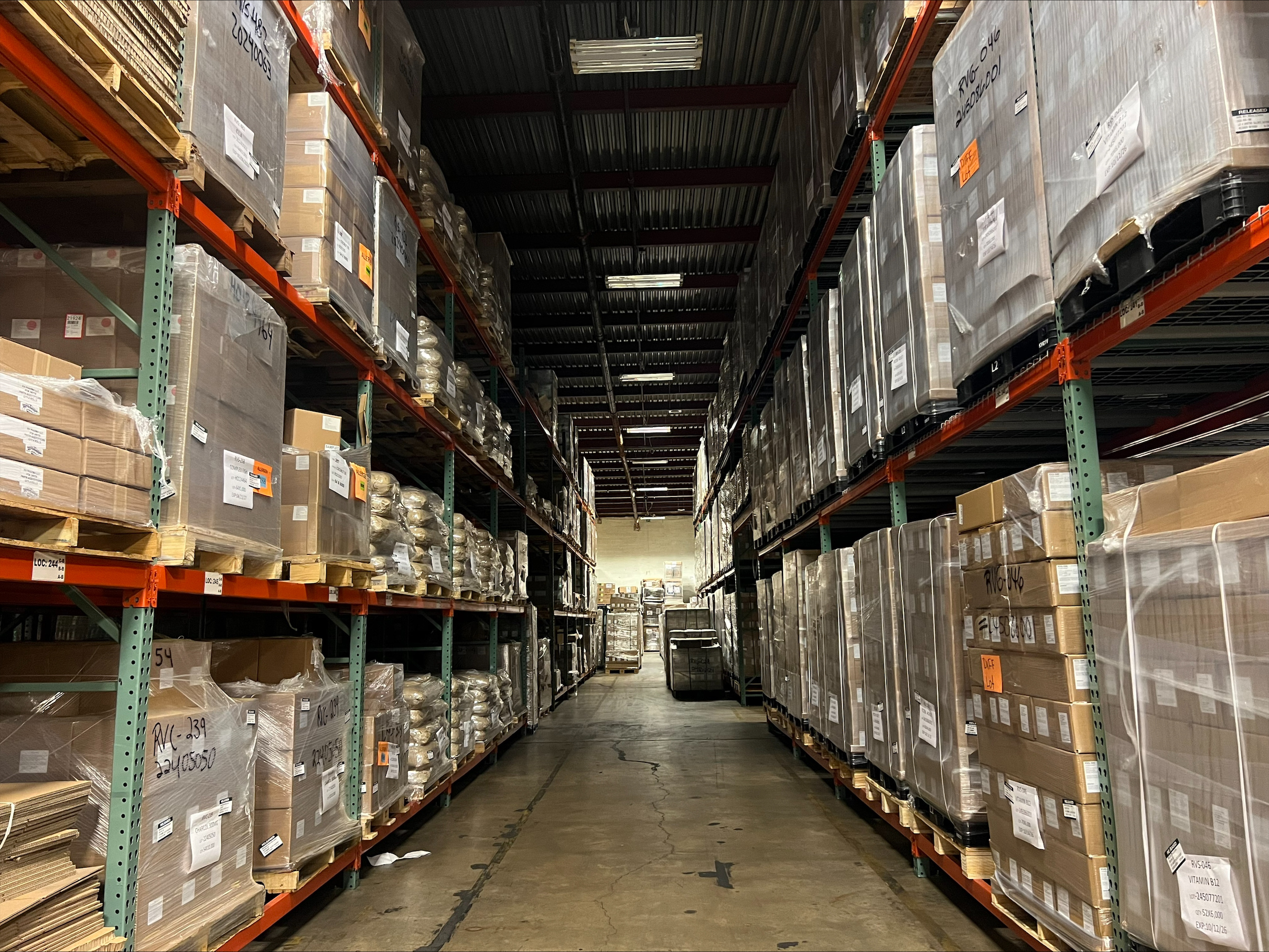
Distributors also tend to invest more in systems such as lot tracking, temperature-aware storage, and retailer compliance. For buyers who need reliable replenishment, that infrastructure is the point. Our overview of how supplement distribution companies work goes into what happens inside the warehouse.
The label on the website matters less than who holds the inventory, who owns the paperwork, and how fast product reaches you.
Where manufacturers fit
Manufacturers make the product. A contract manufacturer produces formulas to a client's specification, while a private-label manufacturer often offers existing formulas that clients can brand as their own. Manufacturers are responsible for cGMP compliance under 21 CFR 111 for the operations they perform, including identity testing of ingredients, batch records, and finished-product specifications.
Going direct to a manufacturer makes sense when you need a custom formula, want full control, and can commit to production-scale minimums and longer timelines. It makes less sense when you need a handful of cases next week.
How pricing and minimums differ by supplier type
Each role in the chain adds a margin, so the further you are from the manufacturer, the higher the unit price tends to be. That does not make buying direct the cheapest option overall. A manufacturer's lower unit price usually comes with production-scale minimums, setup costs for labels and packaging, development work for custom formulas, and a longer wait. A distributor's higher unit price buys you smaller order sizes, stock that is already made, faster shipping, and someone else carrying the inventory risk until you need it.
When comparing quotes across supplier types, look at total cost rather than unit price alone:
- Minimum order quantity and how much of it you can realistically sell before expiration.
- Setup, plate, label, or development charges that apply only on the first run.
- Freight from the supplier's location to yours.
- Cash tied up in inventory, and for how long.
- The cost of a stockout if replenishment takes weeks instead of days.
For many buyers, a mix works best: stock items from a distributor for speed and breadth, and custom production for the few products that justify it.
How to choose among supplement wholesale suppliers
The best choice depends on what you are buying and why. Use your situation to point you toward the right type of supplier:
- Reselling national brands: buy from the brand or its authorized distributors, and confirm you are allowed to resell on your intended channels.
- Launching your own label quickly: look for a supplier offering private label on stock formulas with reasonable minimums.
- Filling shelves with common formats: a distributor with stock programs across gummies, capsules, softgels, and powders keeps ordering simple.
- Developing a unique formula: work with a contract manufacturer, or a partner who can quote custom formulas and coordinate production.
- Supplying many stores on a schedule: a distributor with EDI, delivery routes, and retail compliance experience.
Questions to ask any supplement wholesaler
Whatever the label, the same questions separate strong partners from risky ones. Supplements wholesalers that are serious about the business will answer these without hesitation:
- Who manufactures the products, and is the facility cGMP compliant and FDA registered?
- Are products third-party tested, and can I get lot-specific certificates of analysis?
- Is every unit and case coded with lot and expiration information?
- How much shelf life remains on stock at shipment?
- What are the minimums by SKU and format, and how are volume tiers priced?
- What is the estimated ship time for stock items, and for private label or custom work?
- How are damaged shipments, shortages, and returns handled?
A supplier who cannot tell you where a product was made, or who hesitates when you ask for a COA, is telling you something important. Our checklist of questions to ask a supplement supplier covers more ground if you are evaluating several at once.
RV Pharma is a U.S. wholesale distributor that supplies retailers, distributors, pharmacies, and e-commerce businesses with stock supplements in ten formats, plus private-label, packing, and distribution programs. Products are cGMP compliant, NSF/ANSI 455-2, and third-party tested, and every lot ships with lot and expiration coding.
Frequently asked questions
What is the difference between a supplement wholesaler and a distributor?
The terms overlap, and many companies are both. A wholesaler generally buys finished goods in volume and resells smaller quantities to businesses. A distributor typically adds more logistics and account service, such as deeper inventory, scheduled delivery, retail EDI, and sometimes authorized regional representation for specific brands.
Should I buy supplements from a manufacturer or a wholesaler?
Buy from a manufacturer when you need a custom formula and can meet production minimums and longer timelines. Buy from a wholesaler or distributor when you need ready-to-sell products, lower minimums, or faster shipping. Many brands start with stock or private-label products and move to custom manufacturing later.
How do I know if a supplement wholesaler is legitimate?
Ask who manufactures the products, whether the facility is cGMP compliant and FDA registered, and whether you can get lot-specific certificates of analysis. Check that units and cases carry lot and expiration coding. Legitimate suppliers answer these questions readily and provide documentation without delay.
Do supplement wholesalers sell to individuals?
Most supplement wholesalers sell only to businesses and ask for a registered business, EIN, and often a resale certificate before opening an account. Some sell to the public at bulk pricing, but true wholesale accounts are set up for retailers, online sellers, practitioners, and brands buying for resale.
Sourcing a program in this category? A distribution specialist can walk through formats, MOQs, and lead times with you.
Request Wholesale Pricing