How to Sell Supplements on Amazon: Category Approval, Testing, and Inventory
Amazon is one of the biggest supplement channels in the country, and one of the strictest. Here is how approval, testing documentation, listings, and FBA inventory actually work.
If you are figuring out how to sell supplements on Amazon, the first thing to understand is that the marketplace treats dietary supplements differently from most consumer goods. Selling supplements on Amazon means passing a document review before your listing goes live, keeping that paperwork current, and running inventory under dating rules that punish sloppy stock rotation. None of it is complicated once you see the moving parts, but sellers who treat it like a generic product launch tend to get stuck in review or lose inventory at the fulfillment center.
This guide walks through the practical sequence: getting approved, assembling testing documents, building a compliant listing, and planning inventory so you are not reordering in a panic. Policies change, so always confirm current requirements in Seller Central before you commit to a production run.
Step one: understand what Amazon asks for
Amazon's dietary supplement policy requires sellers to show that products were tested and verified before they can be listed. In practice, that means working with a testing, inspection, and certification (TIC) organization that Amazon accepts, and submitting a package of documents for each product. The exact list evolves, but sellers typically need some combination of the following:
- Test results or verification from an Amazon-accepted third-party organization confirming identity, label claims, and screening for contaminants.
- Clear images of every side of the product label, matching exactly what the customer will receive.
- A letter of guarantee or similar statement from the manufacturer confirming the product is made under cGMP (21 CFR 111) and complies with applicable law.
- Product detail page content that matches the physical label and avoids disease claims.
- Brand and manufacturer contact information so Amazon can trace the product back to its source.
The label is the anchor for everything. If your listing says 60 gummies and 2,000 IU, the bottle has to say the same thing, and the test results have to line up with the Supplement Facts panel. Mismatches are among the most common reasons submissions bounce.
Getting category approval without delays
Many sellers lose weeks because they apply before they have what the reviewer needs. A better order of operations is to lock the formula, finalize the label, get a finished-goods lot produced, and then start the testing and submission process with real product in hand. Testing a prototype and then changing the label afterward usually means testing again.
Ask your supplier early what they can provide. A manufacturer or distributor that already works with Amazon sellers should be able to hand you lot-specific certificates of analysis, confirm cGMP compliance, and support a letter of guarantee. If your supplier cannot produce a COA tied to the lot you are selling, that is a problem you want to discover before you spend money on a TIC engagement. Our guide on how to read a certificate of analysis covers what a usable COA should show.
Common reasons submissions are rejected
- Label images are blurry, cropped, or show an older version of the artwork.
- The product name or claims on the detail page imply the product treats or prevents a disease.
- Test documents reference a different lot, formula, or product name than the listing.
- Ingredients appear on Amazon's restricted list or require extra verification.
- The brand name on the label does not match the brand on the listing or Brand Registry.
Building a compliant supplement listing
The rules that govern your bottle also govern your listing. Under DSHEA, supplements can make structure/function claims, such as supporting normal immune function, as long as they carry the required FDA disclaimer and the brand has substantiation on file. Claims that a product cures, treats, mitigates, or prevents a disease turn a supplement into an unapproved drug in the eyes of the FDA, and the FTC expects every advertising claim to be backed by competent and reliable scientific evidence. Amazon enforces its own version of these rules and will suppress listings that cross the line.
Keep titles factual: brand, product name, key ingredient, format, and count. Put benefit language in bullets, keep it modest, and make sure every bullet could be defended with the evidence you actually have. Reviews and Q&A are part of the listing too, so do not solicit or answer questions in a way that implies disease claims.
On Amazon, your label, your listing, and your test results have to tell the exact same story.
Inventory planning and FBA dating rules
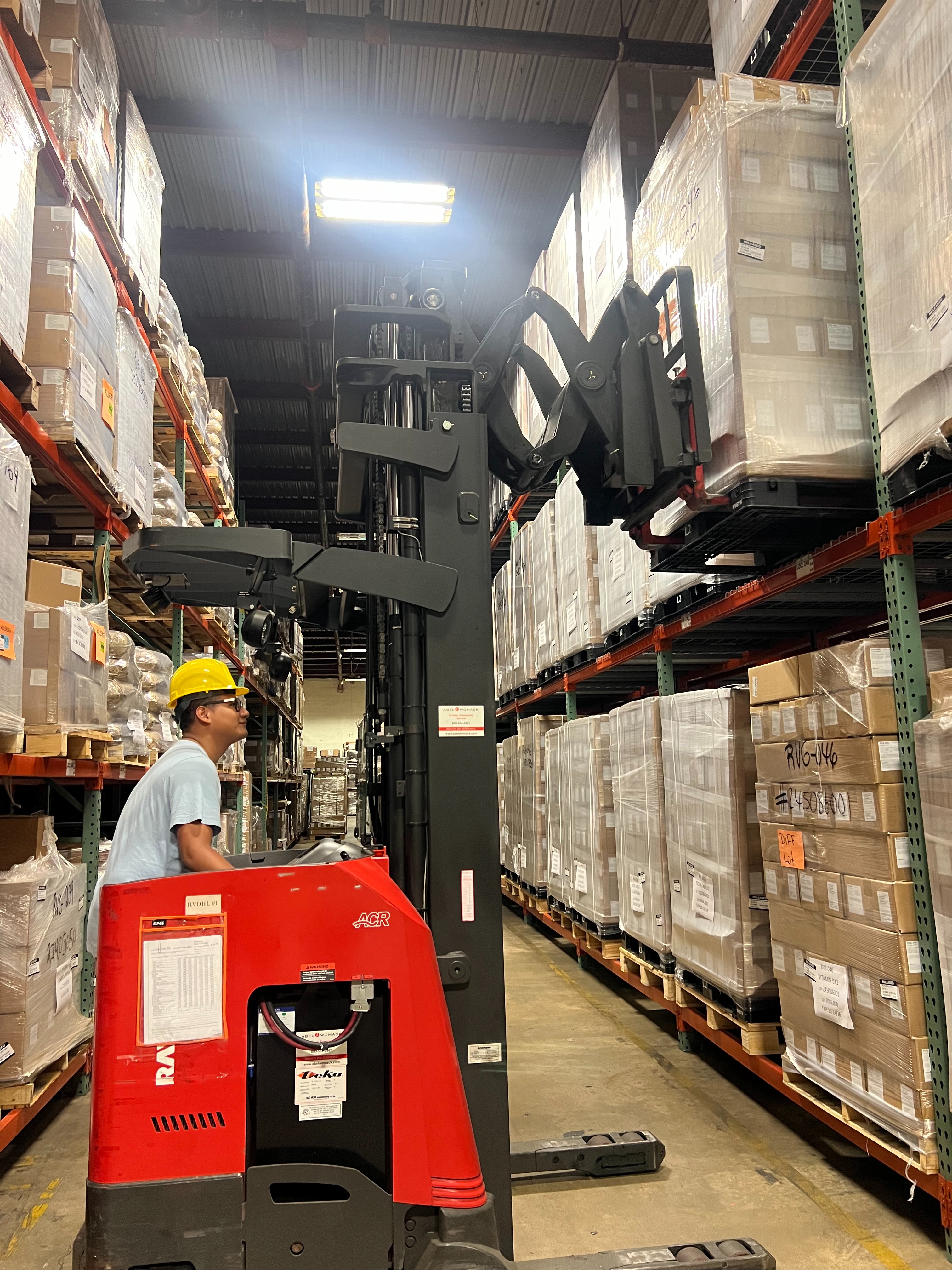
If you sell vitamins on Amazon through FBA, expiration dating becomes an operational issue, not just a label detail. Amazon requires expiration-dated products to show the date on each unit and on the case, in a readable format, and it enforces minimum remaining shelf life at check-in. Units that get too close to expiration while sitting in the fulfillment center are pulled from sale. The specific thresholds are published in Seller Central and have changed over time, so check them before you plan a shipment.
That has three practical consequences for how you buy:
- Order quantities you can realistically sell well before the expiration date, not the biggest quantity that gets the best unit price.
- Ask your supplier how much shelf life remains on stock at the time it ships to you, not just the total shelf life of the product.
- Send inventory to Amazon in smaller, more frequent shipments so older lots sell through before newer ones arrive.
Heat is the other risk. Gummies and softgels can deform, stick, or bloom in hot trucks and warehouses. If you are shipping gummies in summer, plan routes and packaging with that in mind, and keep some buffer stock in a controlled environment instead of pushing everything into FBA at once.
Choosing a format and supplier for Amazon
Format affects your economics on Amazon more than on most channels, because fulfillment fees are driven by size and weight. A 60-count gummy bottle, a capsule bottle, and a box of stick packs can land in very different fee tiers. Before you commit, compare formats on shipped size, damage risk, and how well each holds up to heat and handling.
| Format | Amazon considerations |
|---|---|
| Gummies | Strong consumer demand; watch heat exposure and bottle size for fee tiers |
| Capsules | Compact and stable; easy to ship; smaller bottles keep fees down |
| Softgels | Good for oils; heat can cause sticking; check bottle headspace |
| Powders | Heavier and bulkier; higher fees; tub seals must survive transit |
| Stick packs | Light and travel-friendly; carton design matters for protection |
Your supplier also needs to support traceability. Every lot should carry lot and expiration coding on the bottle and the case, and you should be able to request a lot-specific COA whenever Amazon or a customer asks. Starting from stock programs with published Supplement Facts panels shortens the path to a compliant label, because the formula and panel are already fixed. You can browse stock formats to see what is available off the shelf versus what would need a custom quote.
How to sell supplements on Amazon: a realistic launch sequence
- Pick a product and format with clear demand and reasonable fulfillment fees.
- Confirm your supplier can provide cGMP documentation and lot-specific COAs.
- Finalize label artwork and register your trademark if you plan to use Brand Registry.
- Receive finished goods and verify lot and expiration coding on units and cases.
- Engage an Amazon-accepted testing organization and submit your documentation.
- Build the listing with claims that match the label and your substantiation.
- Send a modest first shipment to FBA and reorder based on actual sell-through.
RV Pharma supplies stock gummies, capsules, softgels, powders, stick packs, and other formats to e-commerce sellers, with every lot coded on bottle and case and lot-specific COAs available on request. If you are lining up product for an Amazon launch, request a quote and we will itemize pricing against your volume.
Frequently asked questions
Do you need approval to sell supplements on Amazon?
Yes, in most cases. Amazon requires dietary supplements to go through a verification process that includes third-party testing by an accepted organization, label images, and manufacturer documentation. Requirements change over time, so check the current dietary supplement policy in Seller Central before you order inventory or book testing.
What documents does Amazon require for supplements?
Sellers are typically asked for test results or verification from an Amazon-accepted testing organization, clear images of all label panels, and a manufacturer letter of guarantee confirming cGMP compliance. Your listing also has to match the physical label exactly. Having lot-specific COAs from your supplier makes the process much smoother.
Can I sell vitamins on Amazon without my own brand?
Resellers can list existing branded products, but many categories restrict who can sell a brand, and brand owners may enforce authorized-seller policies. Most new sellers build their own label through private label, which gives them control of the listing, Brand Registry eligibility, and the documentation Amazon asks for.
How much shelf life should supplements have when sent to FBA?
Amazon enforces a minimum remaining shelf life at check-in and removes units that get too close to expiration. Because thresholds are set in Seller Central and can change, plan shipments so each lot has plenty of dating left, send smaller batches more often, and ask suppliers about remaining shelf life at shipment.
Sourcing a program in this category? A distribution specialist can walk through formats, MOQs, and lead times with you.
Request Wholesale Pricing