Liquid Stick Packs: When a Liquid Single-Serve Format Makes Sense
Liquid stick packs remove the mixing step and turn a supplement into a squeeze-and-go serving. Here is where the format earns its higher cost, what makes it technically harder, and what buyers should ask.
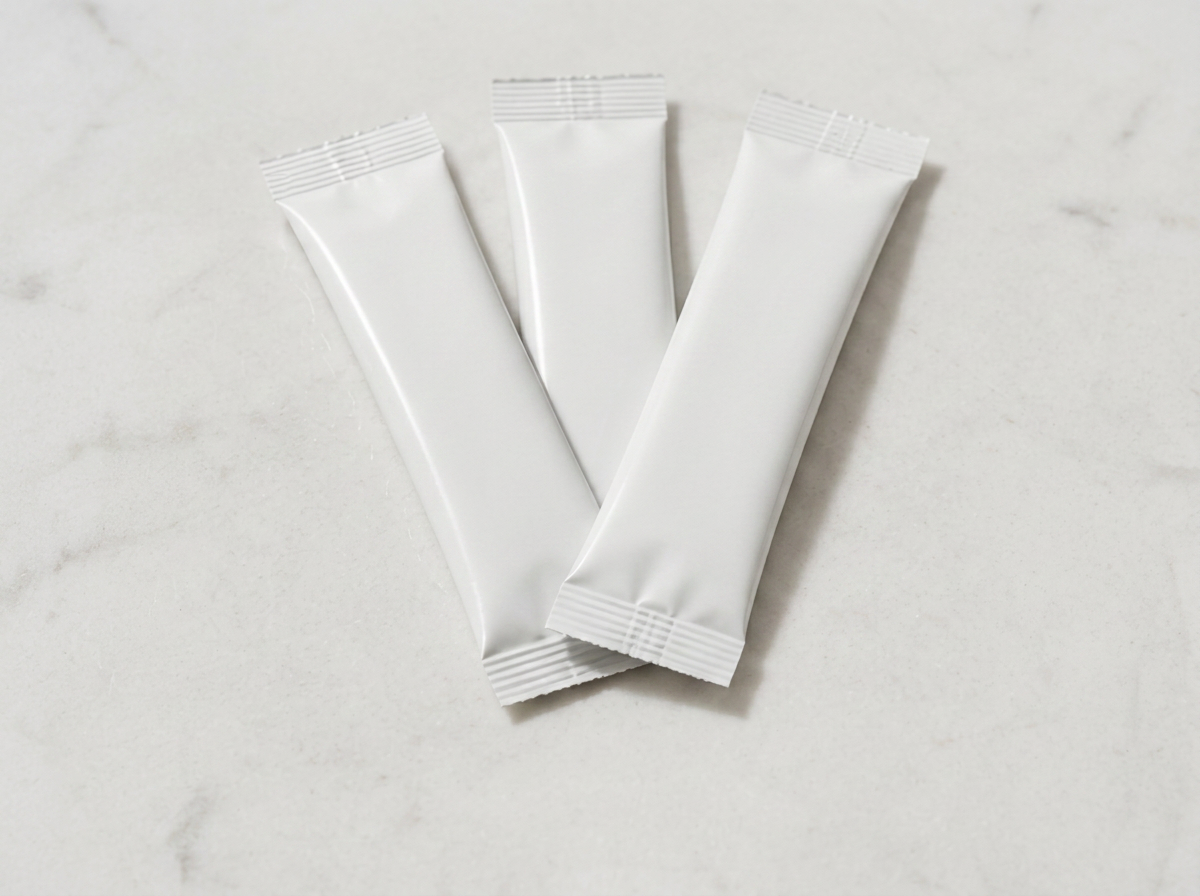
A liquid stick pack puts a single serving of a gel, syrup, or concentrated liquid into a slim tear-open pouch. The shopper squeezes it straight into their mouth or into a drink, with no measuring, mixing, or glass bottle to carry. That convenience is real, but the format costs more per serving than a bottle or powder and takes more technical care to produce. It makes sense for some products and channels and very little sense for others.
This guide covers where liquid stick packaging fits, what makes it harder than powder sticks, and the questions to ask a supplier or stick pack copacker before committing.
Where a Liquid Stick Pack Makes Sense
Liquid sticks do best where speed and portability are the main reasons someone buys. Common supplement uses include:
- Energy and endurance gels used during training, races, and long workdays.
- Liquid vitamin and botanical shots meant to be taken on the go.
- Electrolyte concentrates that are squeezed into a water bottle.
- Honey or syrup-based products, such as elderberry or herbal syrups, portioned into single servings.
- Liquid collagen, fiber, or other concentrates where a pre-measured dose removes guesswork.
The format also works well for sampling and trial packs. A single stick lets a shopper try a liquid product without buying a full bottle, which is useful for retailers testing a new category and for brands building trial in gyms, events, or subscription boxes.
In retail, liquid sticks tend to perform in places where the shopper is about to be active or on the road: checkout lanes, convenience and travel stores, sporting goods, and gym front desks. Online, they show up most in variety packs and subscription bundles, where a mixed carton lets shoppers try several flavors before settling on one. In a standard vitamin aisle, they often need a carton or display to stand out.
When a Bottle or Powder Is the Better Choice
If the product is taken at home at a consistent time each day, a multi-serving bottle is usually cheaper per serving and uses less packaging. If the serving is large, or the product is heat-sensitive and ships through hot climates, a powder stick or tub may be more practical. Liquids are heavier than powders for the same number of servings, which raises freight cost, and some liquid formulas need refrigeration after opening, which a single-serve pack avoids but a bottle does not.
| Factor | Liquid stick pack | Multi-serve bottle | Powder stick pack |
|---|---|---|---|
| Convenience | Highest, no mixing | Needs measuring | Needs water and mixing |
| Cost per serving | Higher | Lowest | Moderate |
| Freight weight | Higher | Higher | Lowest |
| Portion control | Exact | Depends on user | Exact |
| Technical complexity | Highest | Moderate | Lower |
Why Liquid Stick Packaging Is Technically Harder
Preservation and microbial control
Liquids with available water can support microbial growth, while dry powders generally cannot. A liquid formula needs a preservation strategy, which may include low water activity from high sugar or glycerin content, acidity, approved preservatives, hot filling, or a combination. The approach has to be validated for the formula, and microbial testing becomes a larger part of lot release.
Sealing through liquid
When a liquid stick is sealed, some product can end up in the seal area. The sealing jaws, film, and machine settings must create a reliable seal even with liquid present, or the stick will leak in the carton. Seal strength and leak testing are key quality checks on every run.
Filling accuracy and viscosity
Liquids are dosed with piston pumps or other volumetric fillers. Thin liquids can splash and drip, while thick gels can string and resist flowing. The filler has to be tuned to the product's viscosity and temperature, and fill weights are checked throughout the run to keep each serving consistent with the label.
Film selection
Liquid sticks usually need a strong, flexible laminate, often with foil or another high-barrier layer, and a sealant layer compatible with the product. Acidic, oily, or alcohol-containing liquids can interact with some films, so compatibility testing is part of development.
The question is not whether a product can go into a liquid stick. It is whether shoppers will pay for the convenience.
Working With a Stick Pack Copacker
Many brands produce liquid sticks through a stick pack copacker rather than running their own line. When evaluating one, ask:
- Do they run liquids and gels specifically, or only powders? Liquid capability is a different skill set.
- What preservation approaches have they validated, and do they offer hot filling if needed?
- What seal strength and leak testing do they perform on each run?
- What film structures do they stock, and what are the printed film minimums?
- Are they compliant with 21 CFR Part 111 for dietary supplements, and can they provide lot-specific COAs?
- How are sticks packed: loose in cartons, in pouches, or in retail-ready displays?
Minimums for custom liquid sticks are often driven by printed film runs and line setup, so a first order can be larger than a brand expects. Starting with a stock liquid product, or a stock formula under private label, is a lower-risk way to test demand.
Shelf Life, Storage, and Labeling
Shelf life for liquid sticks depends on the formula, the preservation system, and the film barrier. Stability testing should cover heat exposure, since sticks often travel in bags, cars, and gym lockers. Freezing can also stress seals and change texture in some gels.
Labeling follows the same dietary supplement rules as any other format. The carton carries the full Supplement Facts panel and required statements, and if sticks will be sold individually, each stick needs the required label elements. Lot and expiration coding should appear on the carton and ideally on each stick. For a broader overview of the format, including powders, see our stick pack packaging guide.
Is a Liquid Stick Pack Right for Your Line?
A liquid stick fits when the product is used on the move, the serving is small, shoppers value exact portions, and the channel supports a premium per serving. It is harder to justify for daily at-home products, large serving sizes, or price-driven sets. Many assortments work best with the same formula offered in two formats: a bottle for regular users and sticks for trial and portability.
RV Pharma stocks liquids and stick packs among its ten formats, and offers private-label, packing, and distribution programs for buyers who want to add single-serve items to their line. Product is cGMP compliant, NSF/ANSI 455-2 certified, and third-party tested, with lot and expiration coding on every unit and case.
Frequently asked questions
What is a liquid stick pack?
A liquid stick pack is a narrow, single-serve pouch filled with one dose of a liquid, gel, or syrup and sealed at both ends. Shoppers tear it open and take it directly or squeeze it into a drink. Supplement uses include energy gels, liquid vitamin shots, electrolyte concentrates, and herbal syrups.
Are liquid stick packs more expensive than powder stick packs?
Usually, yes. Liquid sticks need a preservation strategy, stronger films, specialized filling and sealing, and more microbial testing. They also weigh more, which raises freight costs. Powder sticks are simpler to produce and ship, so their per-serving cost is generally lower.
How long do liquid stick packs last?
Shelf life depends on the formula, preservation system, and film barrier, and it is set through stability testing rather than a fixed rule. Heat, freezing, and seal quality all affect results. The expiration date on the carton and stick reflects the manufacturer's stability data for that specific product.
What should I ask a stick pack copacker for liquids?
Ask whether they run liquids and gels specifically, which preservation methods they have validated, how they test seal strength and leaks, what films and printed film minimums they offer, whether they follow 21 CFR Part 111, and whether they supply lot-specific COAs with each order.
Sourcing a program in this category? A distribution specialist can walk through formats, MOQs, and lead times with you.
Request Wholesale Pricing