Private Label Protein Powder: Flavors, Fill Sizes, and Formulation Basics
Protein powder is a big-ticket, high-repeat category. Here is what buyers should know about private label protein powder sources, flavors, fill sizes, labeling, and testing.
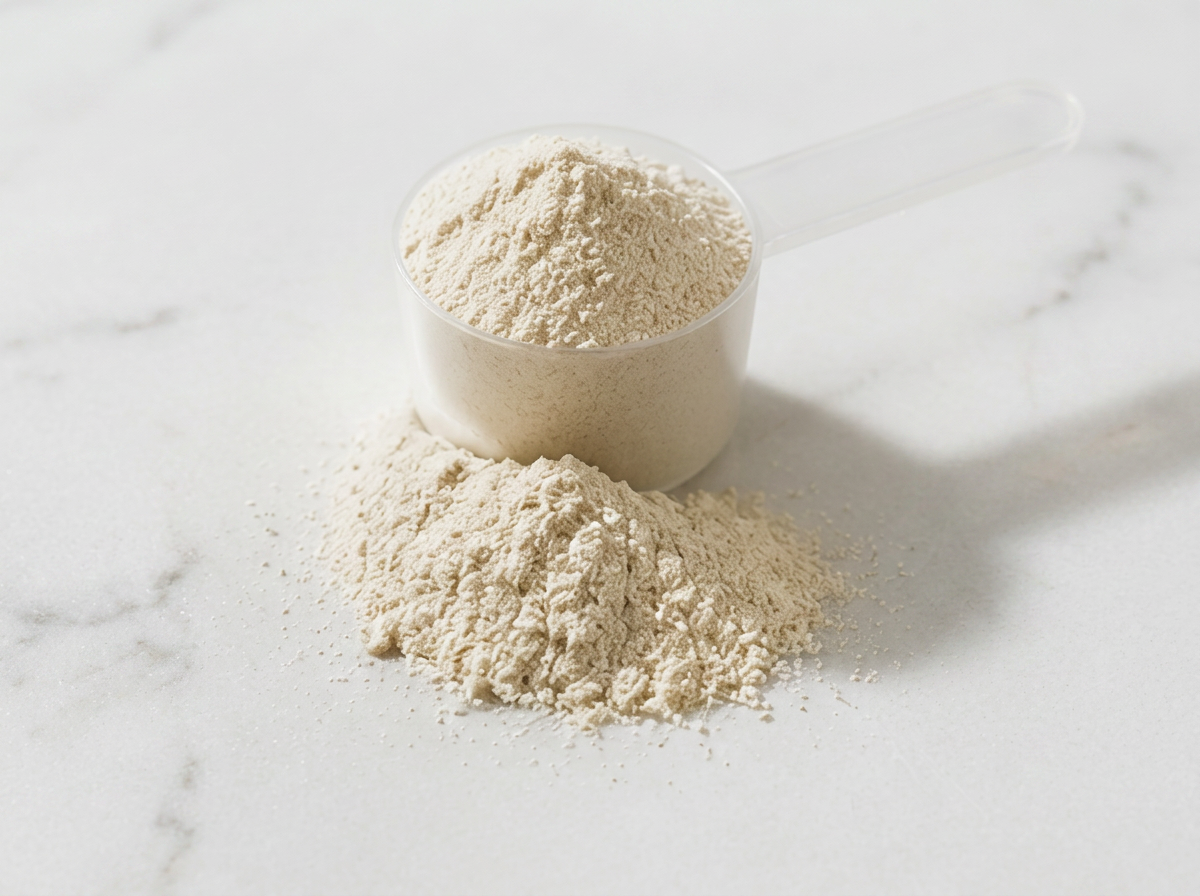
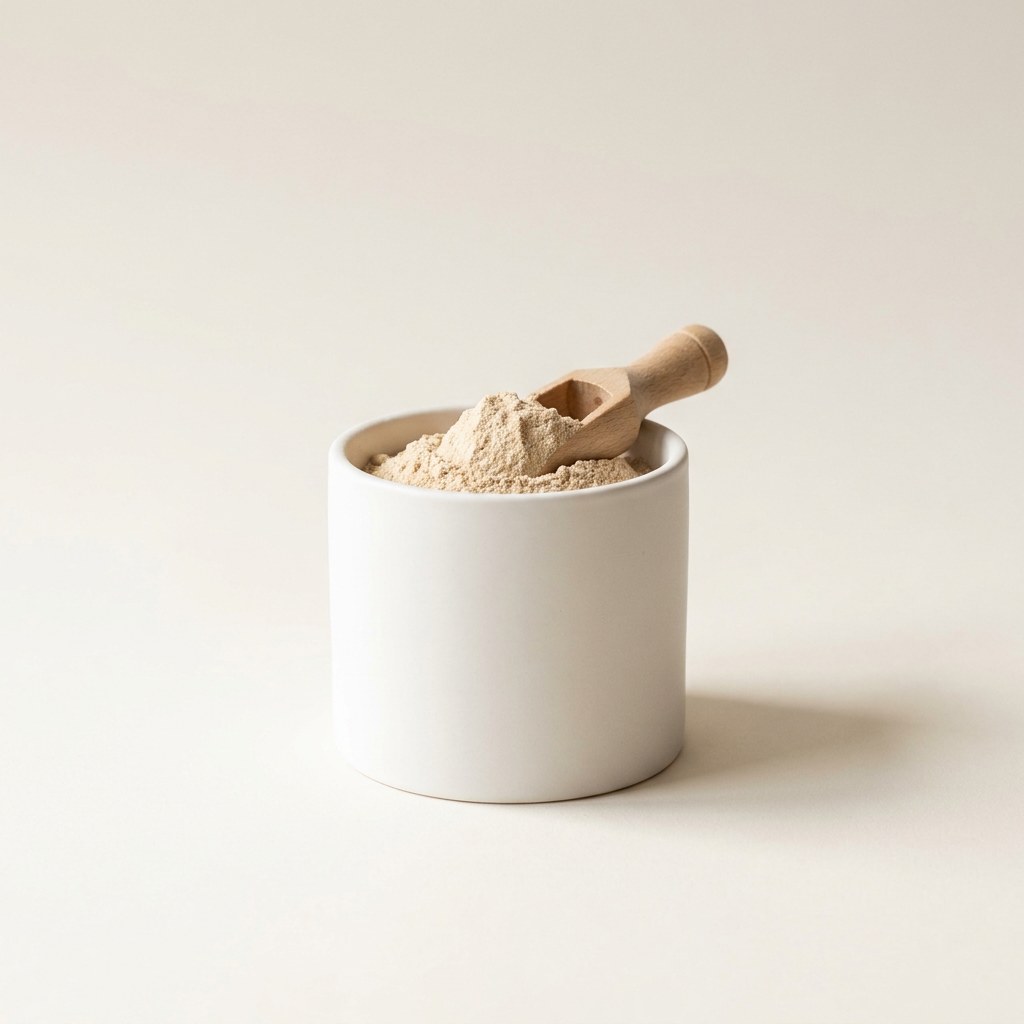
Private label protein powder is one of the most repeat-driven products in the supplement business. Customers who find a flavor they like tend to buy it again and again, and the tub sizes carry a higher ticket than most bottles. That makes protein a strong anchor for gyms, sports nutrition retailers, online brands, and any store building a private label sports supplements line.
It is also a product where small decisions matter: protein source, sweetener, flavor system, fill size, and whether the product is labeled as a dietary supplement or a conventional food. This guide walks through each so you can brief a supplier clearly.
Choosing a Protein Source
The protein source shapes taste, texture, cost, dietary positioning, and allergen labeling.
| Source | Typical positioning | Notes for buyers |
|---|---|---|
| Whey concentrate | Everyday, value-oriented | Contains some lactose and fat; milk allergen |
| Whey isolate | Higher protein per scoop, lower lactose | Costs more; milk allergen |
| Blends of concentrate and isolate | Balance of cost and protein content | Common in mainstream products |
| Casein | Slower-digesting, thicker texture | Milk allergen; often marketed for evening use |
| Plant blends (pea, rice, others) | Vegan and dairy-free | Earthier taste; blends help round out amino acid profile |
| Collagen peptides | Beauty and joint positioning | Not a complete protein; label accordingly |
Whatever the source, confirm how protein content is verified and whether the formula contains added free amino acids. Protein spiking, where cheap amino acids are added to inflate a nitrogen-based protein test result, has been a known problem in this category. Ask how the supplier tests protein and whether results reflect intact protein.
Cost follows the protein source closely. Dairy proteins are commodities, and their prices can move with milk markets, so quotes for whey-based products may be valid for shorter windows than quotes for vitamins or capsules. Plant proteins are priced differently again, and specialty or certified organic sources carry a premium. When you compare suppliers, compare cost per serving at the same protein level, not just cost per tub, since protein content and serving size vary widely between products.
Flavors That Sell and How Many to Launch
Chocolate and vanilla dominate protein sales across most channels, and many successful lines launch with just those two. Additional flavors, such as cookies and cream, peanut butter, strawberry, salted caramel, or an unflavored option, can come later once you see what your customers buy.
- Each flavor is its own SKU, with its own label, inventory, and often its own minimum.
- Sweetener choice matters. Options include sucralose, stevia, monk fruit, sugar, or combinations, and each affects taste and label positioning.
- Mixability and foam are part of the product experience. Ask about how the powder mixes in water and milk with a shaker.
- Plant proteins usually need more flavor work to mask earthy notes.
Request samples of each flavor and test them the way customers will, with water, milk, and in a shaker, before committing. Taste panels with a handful of real customers, such as gym members or regular shoppers, will tell you more than an internal tasting.
Fill Sizes and Packaging for Private Label Protein Powder
Fill size is both a pricing and a logistics decision. Common options include:
- Tubs in roughly 1 to 2 pound sizes for entry price points and trial.
- Larger tubs or pouches around 4 to 5 pounds for loyal, high-volume customers.
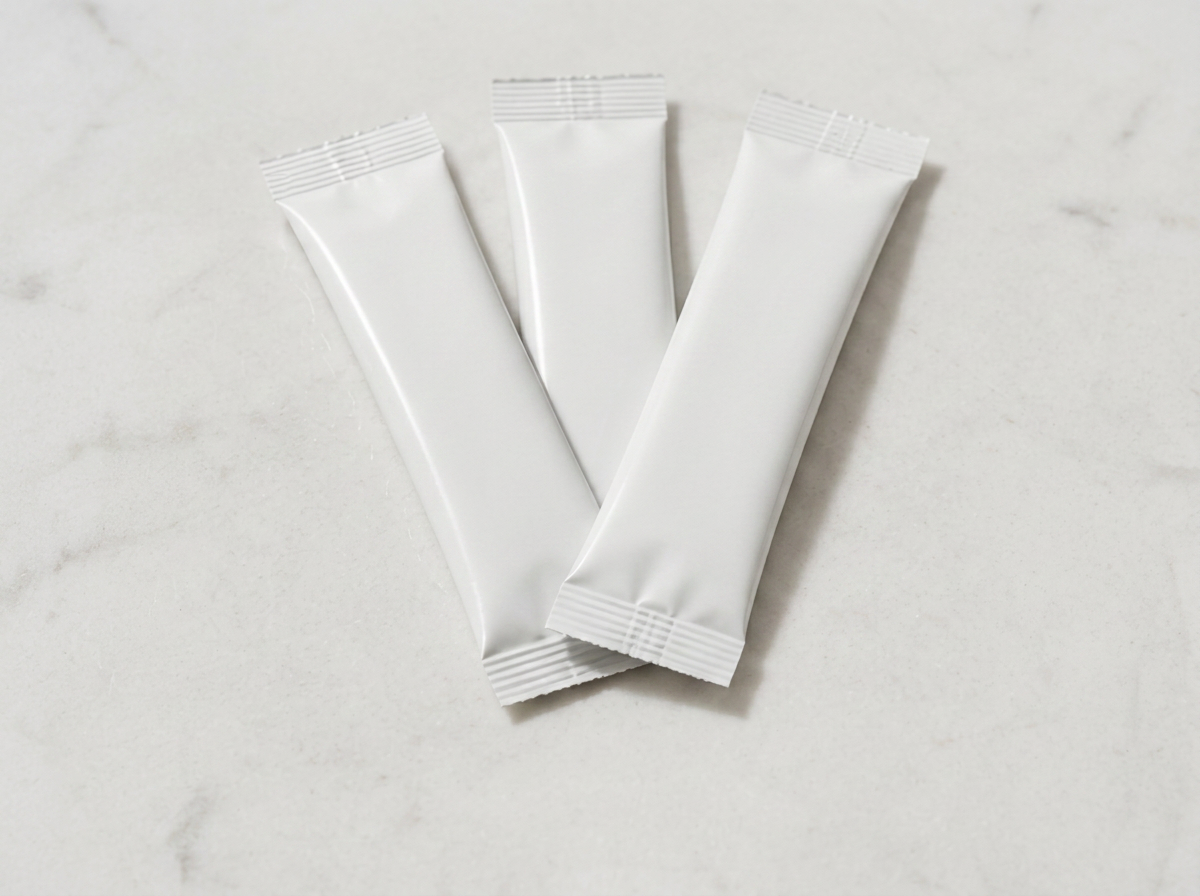
- Single-serve stick packs or sachets for trial, sampling, gym counters, and travel.
Powder settles during shipping, so containers are often not full to the top when opened. FDA's rules on nonfunctional slack fill mean that empty space in a package needs a legitimate reason, such as settling during shipping or the need to fit a scoop. Work with your supplier to size containers appropriately. Also confirm scoop size matches the labeled serving, since customers notice when it does not. Stick packs solve many of these issues for trial sizes; our stick pack packaging guide covers that format.
Supplement or Food? Getting the Label Right
Protein powders can be sold as dietary supplements with a Supplement Facts panel or as conventional foods with a Nutrition Facts panel. The choice depends on how the product is formulated, represented, and marketed. Products presented as meal replacements or conventional foods generally belong under food labeling, while products intended to supplement the diet typically use Supplement Facts. The two frameworks have different rules on which nutrients must be declared, ingredient allowances, and claims.
A few labeling points apply either way:
- Major food allergens must be declared. Milk is present in whey and casein, and soy or other allergens may appear in lecithin, flavors, or plant blends.
- Protein content on the label must be supported by testing.
- Structure/function claims, such as supporting muscle recovery after exercise, need the FDA disclaimer and FDA notification within 30 days when the product is sold as a supplement, and must be substantiated under FTC standards.
Decide early whether your protein is a supplement or a food, because that single choice shapes the panel, the claims, and the ingredient review.
Testing, Quality, and Working With a Supplement Powder Manufacturer
A reliable supplement powder manufacturer or distributor should provide lot-specific certificates of analysis covering protein content, microbiological results, and heavy metals, along with confirmation of cGMP manufacturing. Sports buyers and athletes may also ask about banned-substance testing programs, which are separate certifications, so confirm what applies before making any such claim.
Ask about moisture control and shelf life as well. Protein powders are generally stable when sealed and kept dry, but flavor and texture can change over time, especially once opened. Lot and expiration coding on each container and case supports rotation and traceability. Store inventory cool and dry, keep lids and seals intact, and rotate first-expired, first-out so customers never open a tub near the end of its date. If you plan to sell through fulfillment centers, confirm case packs and any required prep, since heavy tubs and pouches have their own handling rules. For more on the wider format, read our guide on wholesale powder supplements.
RV Pharma supplies stock and private-label powders and stick packs, alongside capsules, gummies, and other formats, to retailers, gyms, and e-commerce businesses across North America. Custom formulas are quoted per formula, products are made in cGMP compliant, FDA registered facilities, and every lot is third-party tested with lot and expiration coding. Contact quote@rvpharma.com to start a powder program.
Frequently asked questions
What is the best protein source for a private label protein powder?
It depends on your customer. Whey concentrate suits value-focused lines, whey isolate offers more protein per scoop with less lactose, and plant blends such as pea and rice serve vegan and dairy-free customers. Choose based on price point, dietary positioning, taste, and allergen labeling, then sample before committing.
Is protein powder a dietary supplement or a food?
It can be either. Protein powders intended to supplement the diet typically carry a Supplement Facts panel, while products marketed as meal replacements or conventional foods generally use a Nutrition Facts panel. The decision depends on formulation, representation, and marketing, and it affects which nutrients, ingredients, and claims are allowed.
How many flavors should a new protein powder line launch with?
Most lines do well starting with chocolate and vanilla, which lead sales in most channels. Each added flavor is a new SKU with its own label, inventory, and often its own minimum. Expand with flavors like cookies and cream or peanut butter once sales data shows demand.
Why are protein tubs not filled to the top?
Powder settles during shipping and handling, and containers need space for the scoop. FDA allows slack fill when it serves a functional purpose such as settling or packaging needs, but nonfunctional empty space can be considered misleading. Size containers to the fill weight with your supplier.
Sourcing a program in this category? A distribution specialist can walk through formats, MOQs, and lead times with you.
Request Wholesale Pricing