Shipping Gummies in Hot Weather: How to Prevent Melting and Clumping
Summer is when gummy complaints spike. A practical playbook for shipping gummies in hot weather, from formulation and packing to carrier timing and receiving.
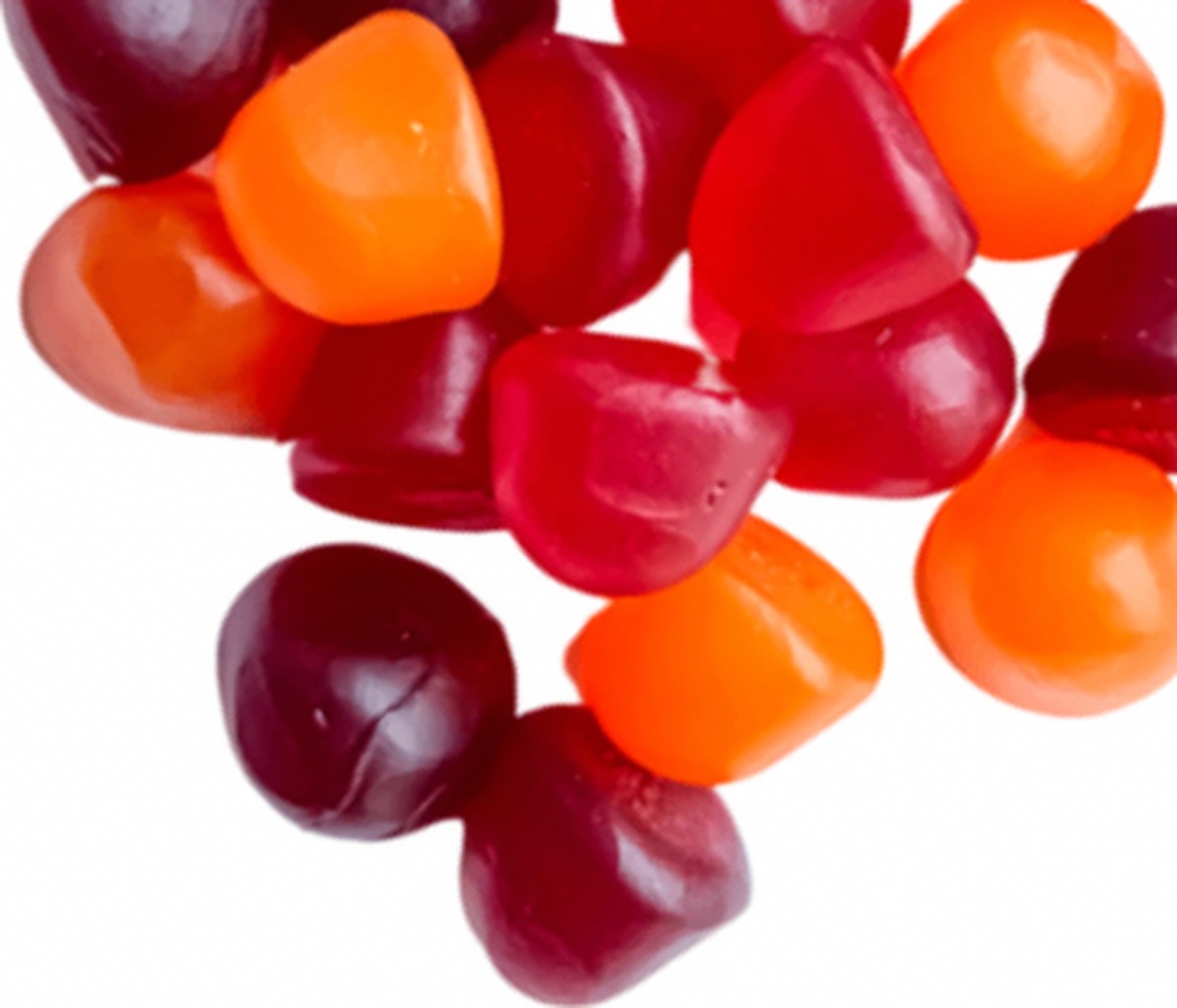
Shipping gummies in summer is a different job than shipping them in March. The same bottle that arrives perfect in spring can show up in July as a single fused block, a bottle of sticky, sweating pieces, or gummies coated in melted sugar. None of that means the product was bad when it left the building. It usually means it spent too long in a hot trailer, on a porch, or in a delivery van.
Heat damage in transit is predictable, which means it is manageable. This guide explains why gummies react to heat, how formulation affects heat stability, and the packing, timing, and receiving steps that cut down on summer damage for both wholesale and direct-to-consumer shipments.
Why gummy vitamins melt and clump
Gummies are a gel held together by gelatin or pectin, with sugars or sugar alcohols, water, and active ingredients. Heat affects each part. Gelatin gels begin to soften as temperatures climb toward body temperature, which is why gelatin gummies can slump or fuse in a hot truck. Pectin sets differently and holds up better to heat, but pectin gummies can still sweat, and the sugar or sanding coating can dissolve and glue pieces together.
Humidity makes it worse. Warm, moist air carries more water, and that water migrates to the gummy surface. When the temperature drops overnight, condensation can form inside a bottle. Several days of heat-and-cool cycling is often what turns loose gummies into a clump.
It helps to understand how hot transit really gets. The inside of a closed trailer or parcel van in direct summer sun can run far above outdoor air temperature. Packages that sit in a truck over a weekend or wait on a sunny doorstep for hours get the worst of it.
Heat stability of gummies: formulation matters
| Factor | Effect on heat stability |
|---|---|
| Pectin base | Generally more heat tolerant than gelatin; still can sweat or stick |
| Gelatin base | Softer texture; more prone to softening and fusing in heat |
| Sugar-sanded coating | Can dissolve and cause sticking in heat and humidity |
| Oil or wax coating | Reduces sticking between pieces in many formulas |
| Sugar-free formulas | Behavior varies by sweetener; some are more sensitive to moisture |
| Fill level and headspace | Tightly packed bottles put more pressure on pieces in heat |
Formulation is decided upstream, but buyers should know which base and coating they are carrying. If your channel ships heavily into hot regions, a pectin-based gummy with an anti-stick coating is often a safer fit than a gelatin gummy with a heavy sugar coat. Our pectin vs. gelatin gummies article goes deeper into the trade-offs.
Most summer gummy damage happens in the last two days of the trip, not in the warehouse.
Packing gummies for hot weather
Packaging choices can buy you hours or days of protection. They cannot make a gummy survive a week in a hot trailer, but they reduce damage from typical summer transit.
- Insulated liners or boxes: foil bubble liners or foam inserts slow heat transfer into the carton. They are most useful for direct-to-consumer and small wholesale orders.
- Cold packs: gel packs help for short transits when packed correctly. Avoid direct contact with bottles, which can cause condensation.
- Fill voids: loose bottles shift and knock gummies together. Snug case packing reduces movement and pressure points.
- Bottle choice: rigid bottles protect gummies from crushing better than pouches under load. If you are weighing pouches for a gummy line, run summer test shipments first.
- Induction seals: keep humid air out of the bottle until the consumer opens it.
- Case marking: "Protect from heat" or "Store below" markings on cases help warehouse and receiving staff handle them correctly.
Timing and routing for shipping gummies in summer
Timing is often the cheapest fix. A few scheduling rules prevent a lot of damage.
- Ship early in the week. Avoid shipping Thursday or Friday for ground shipments that could sit in a hub or truck over the weekend.
- Prefer faster transit into hot regions. Shorter time in the network matters more than any packing material.
- Watch the forecast. During heat waves, hold shipments to the hottest destinations for a day or two, or upgrade the service level.
- Ship from the closest point. If you use multiple warehouses or a 3PL, route summer orders from the nearest location.
- Coordinate receiving. For wholesale deliveries, confirm the receiving dock can put gummies away quickly instead of leaving them on a hot dock.
- Plan inventory ahead. Bringing in summer stock during cooler months reduces the number of heavy shipments you need to make in peak heat.
Receiving and troubleshooting
When a heat-affected shipment arrives, the first step is to document it: photos of the outer carton, the inside of the case, and a few bottles, along with the lot number and delivery date. Let product rest at room temperature before judging it, because some gummies that seem soft right off the truck firm back up once cooled. Gummies that have fused into a solid mass or show melted coating usually do not recover their original appearance.
Track damage by lot, destination, carrier, and date. Patterns tell you whether the issue is a specific lane, a specific carrier service, or a formula that needs more heat tolerance for your market. That data also makes carrier claims and supplier conversations more productive. For general storage conditions once product arrives, see our supplement storage temperature guide.
A summer checklist for buyers
- Know the base and coating of every gummy you carry.
- Stock up before peak heat when possible.
- Set weekday ship windows and heat-wave holds for gummy orders.
- Use insulated packaging for direct-to-consumer and small parcel shipments into hot regions.
- Store received gummies in the coolest area of the warehouse or stockroom.
- Log damage by lot and lane so you can fix the root cause.
RV Pharma supplies stock gummy programs starting at 1,000 bottles, with stock orders shipping in an estimated 3–10 days and lot and expiration coding on every bottle and case. If you are planning summer inventory or want to talk through gummy formats that suit your channels, visit our gummies page or request a quote.
Frequently asked questions
At what temperature do gummy vitamins melt?
There is no single number because it depends on the formula. Gelatin gummies start to soften as temperatures approach body temperature, and they can fuse together in a hot truck or mailbox. Pectin gummies hold up better to heat but can still sweat or stick. Humidity and time in heat both increase the damage.
Can melted gummies be refrozen or re-shaped?
Not in a way that restores the product for sale. Some gummies that are merely soft will firm up again after cooling to room temperature, but gummies that have fused or lost their coating usually stay deformed. Document the damage with photos and the lot number and contact your supplier or carrier.
What is the best way to ship gummy vitamins in summer?
Ship early in the week, use the fastest practical transit into hot regions, and avoid packages sitting in trucks over weekends. For parcels, insulated liners and properly placed cold packs help. Store gummies in the coolest area before shipping, and consider stocking up before peak summer heat.
Sourcing a program in this category? A distribution specialist can walk through formats, MOQs, and lead times with you.
Request Wholesale Pricing