How Softgels Are Made: The Softgel Production Process
Softgels are formed, filled, and sealed in a single step, then dried for days before they are ready. Here is how softgel production works and why it matters for quality, cost, and shelf stability.
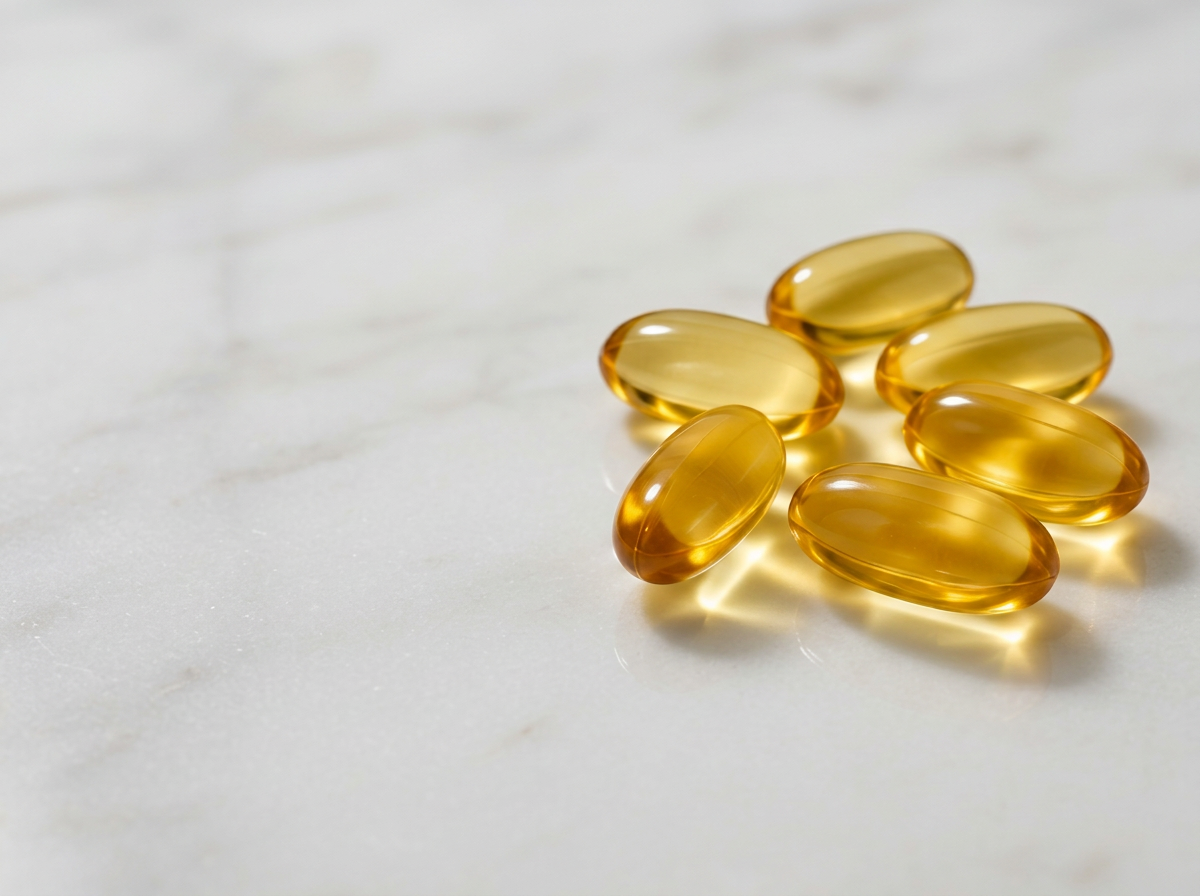
Softgel production is different from every other common supplement format. Tablets are compressed, capsules are filled into ready-made shells, and gummies are cooked and molded. A softgel capsule is formed, filled, and sealed in one continuous operation, then dried slowly until the shell reaches its final strength. That process is what gives softgels their sealed, glossy, easy-to-swallow finish, and it also explains why they cost more to make than a typical capsule.
Here is how softgel supplement manufacturing works, step by step, and what each stage means for buyers who stock or sell the format.
Step 1: Preparing the Gel Mass
The shell starts as a gel mass. For a standard softgel, that means gelatin, a plasticizer such as glycerin or sorbitol, and purified water, sometimes with colorants or opacifiers. The ingredients are combined and melted in a heated, jacketed tank, commonly under vacuum to pull out air bubbles that would weaken the shell.
The ratio of plasticizer to gelatin controls how flexible the finished shell is. Too little and the shell turns brittle; too much and it stays soft and tacky. Gelatin source matters as well. Bovine, porcine, and fish gelatin are all used, and the choice affects kosher, halal, and dietary positioning. Plant-based softgels replace gelatin with ingredients such as modified starch and carrageenan, which require different processing conditions.
Step 2: Preparing the Fill
The fill is the part of the softgel that carries the active ingredients. It can be a pure oil such as fish oil, a solution of an ingredient dissolved in oil, or a suspension where a powder is dispersed in an oil carrier, often with a thickening agent such as beeswax to keep particles from settling.
Fill material is blended, milled or homogenized if it contains solids, and deaerated. Air trapped in the fill can cause oxidation and uneven dosing. Formulators also check that the fill is compatible with the shell. Water-heavy liquids, very acidic or alkaline materials, and certain reactive compounds can migrate into or damage the gelatin, which is why not every liquid can go into a softgel.
Low-dose actives get special attention. Vitamin D3 or vitamin K2 may be present at micrograms per softgel, so the active is typically diluted into a carrier oil in stages to make sure every softgel gets the same amount. Oils that oxidize easily are often protected with an antioxidant such as mixed tocopherols and handled under nitrogen to limit exposure to air.
Step 3: Rotary Die Encapsulation
Most softgel production uses the rotary die process. It works like this:
- Warm gel mass is spread onto cooled casting drums, forming two continuous ribbons of equal thickness.
- The ribbons are lubricated and fed between two rotating dies with matching cavities in the shape of the softgel.
- A heated wedge sits between the ribbons, and a positive displacement pump injects a precise volume of fill through the wedge as the dies turn.
- The pressure of the fill pushes the ribbons into the die cavities, and the dies press the ribbons together, sealing and cutting each softgel in the same motion.
- The leftover gel ribbon, known as the net, is separated and removed.
Die shape determines the softgel's size and shape: round, oval, oblong, and specialty shapes are common. Sizes are often described by fill volume in minims, an old apothecary unit that the industry still uses. Fill weight is checked throughout the run because it directly controls the dose in each unit.
A softgel is sealed at the moment it is made, which is why it protects oils so well.
Step 4: Tumble Drying and Tray Drying
Freshly made softgels are soft and wet. They first pass through tumble dryers, rotating baskets that blow air across them to remove surface moisture and set their shape. They are then spread onto trays and moved into drying rooms or tunnels with low humidity and controlled temperature.
Tray drying typically takes several days. During this time moisture leaves the shell and the gelatin firms up to its final hardness. Drying is complete when the softgels hit their target shell moisture and hardness specifications. Cutting this step short leads to softgels that dent, stick together, or leak in the bottle.
Step 5: Inspection, Polishing, and Testing
Dried softgels are washed or polished to remove the lubricant used during encapsulation and give them a clean, glossy look. They are then inspected and sorted to remove misshapen, undersized, leaking, or double softgels. Many lines use automated visual sorting in addition to manual checks.
The batch is tested against its specifications before release. Depending on the product, this can include identity and potency of key ingredients, oxidation markers for oils such as peroxide value, microbial limits, and heavy metals. Many omega-3 products also include testing for environmental contaminants. Quality control reviews the batch production record and approves release under 21 CFR Part 111.
Step 6: Packaging and Storage
Released softgels are counted into bottles, sealed, capped, labeled, and coded with lot and expiration dates. Because the shell responds to heat and humidity, storage guidance is important throughout distribution. Softgels left in hot trucks or warm, humid warehouses can soften and fuse together, even though the fill inside is still fine.
| Stage | Main control | What goes wrong if it slips |
|---|---|---|
| Gel mass | Plasticizer ratio, air removal | Brittle or tacky shells, weak seams |
| Fill prep | Uniform dispersion, deaeration | Dose variation, oxidation |
| Encapsulation | Ribbon thickness, fill weight | Leaks, weight variation |
| Drying | Humidity, temperature, time | Soft, sticky, or dented softgels |
| Inspection and testing | Sorting, specifications | Defects or out-of-spec lots reaching shelves |
What Softgel Production Means for Buyers
The process explains the economics. Softgels need a gel mass kitchen, encapsulation machines, several days of drying capacity, and careful fill formulation, so they generally cost more per unit than capsules or tablets. In return, they give oils and fat-soluble nutrients a sealed, protected format that shoppers find easy to swallow.
When evaluating a softgel supplier, ask about the gelatin source, whether a plant-based option exists, what oxidation testing is performed for oil products, and what storage and shipping guidance applies. A lot-specific COA is the best confirmation that the batch you receive meets specification. Our guide to softgels vs. hard gel capsules covers how the two formats compare.
RV Pharma distributes stock softgels to retailers, pharmacies, distributors, and e-commerce sellers across North America, with Supplement Facts panels published on product pages. Product is cGMP compliant, third-party tested, and coded with lot and expiration on bottle and case, and lot-specific COAs are available on request.
Frequently asked questions
How are softgels made?
A gel mass of gelatin, glycerin, and water is melted and cast into two ribbons. On a rotary die machine, fill is injected between the ribbons while rotating dies shape, seal, and cut each softgel. The softgels are tumble dried, then tray dried for several days before inspection, testing, and bottling.
What is a softgel shell made of?
Most softgel shells are gelatin, a plasticizer such as glycerin or sorbitol, and water, with optional colors or opacifiers. Gelatin may come from bovine, porcine, or fish sources. Plant-based softgels use ingredients like modified starch and carrageenan instead of gelatin.
Why do softgels take longer to make than capsules?
After encapsulation, softgels must dry until the shell reaches its target moisture and hardness, which typically takes several days in low-humidity rooms. Capsules use pre-made dry shells and are ready after filling and polishing, so the production cycle is shorter.
What can and cannot go into a softgel?
Softgels are best for oils, oil solutions, and oil-based suspensions such as fish oil, vitamin D3, and CoQ10. Fills with high water content, very high or low pH, or reactive compounds can damage the gelatin shell, so formulators test compatibility before committing to a softgel format.
Sourcing a program in this category? A distribution specialist can walk through formats, MOQs, and lead times with you.
Request Wholesale Pricing