Softgel vs Tablet: Absorption, Dose Size, and Cost Compared
Softgels and tablets solve different problems. Here is how buyers should compare them on ingredient fit, dose per unit, stability, cost, and shelf performance before committing to a SKU.
The softgel vs tablet question comes up on almost every line review where a buyer is filling out a vitamin or specialty set. Both formats are swallowable, both are familiar to shoppers, and both can carry the same nutrient on the label. But they are built for different kinds of ingredients, they hold different amounts of material per unit, and they land at different points on the cost curve.
This guide walks through the comparison the way a category buyer or brand owner should think about it: what the ingredient needs, how much has to fit in each serving, how the product holds up on the shelf, and what it costs to put in the bottle.
The Basic Difference Between Softgels and Tablets
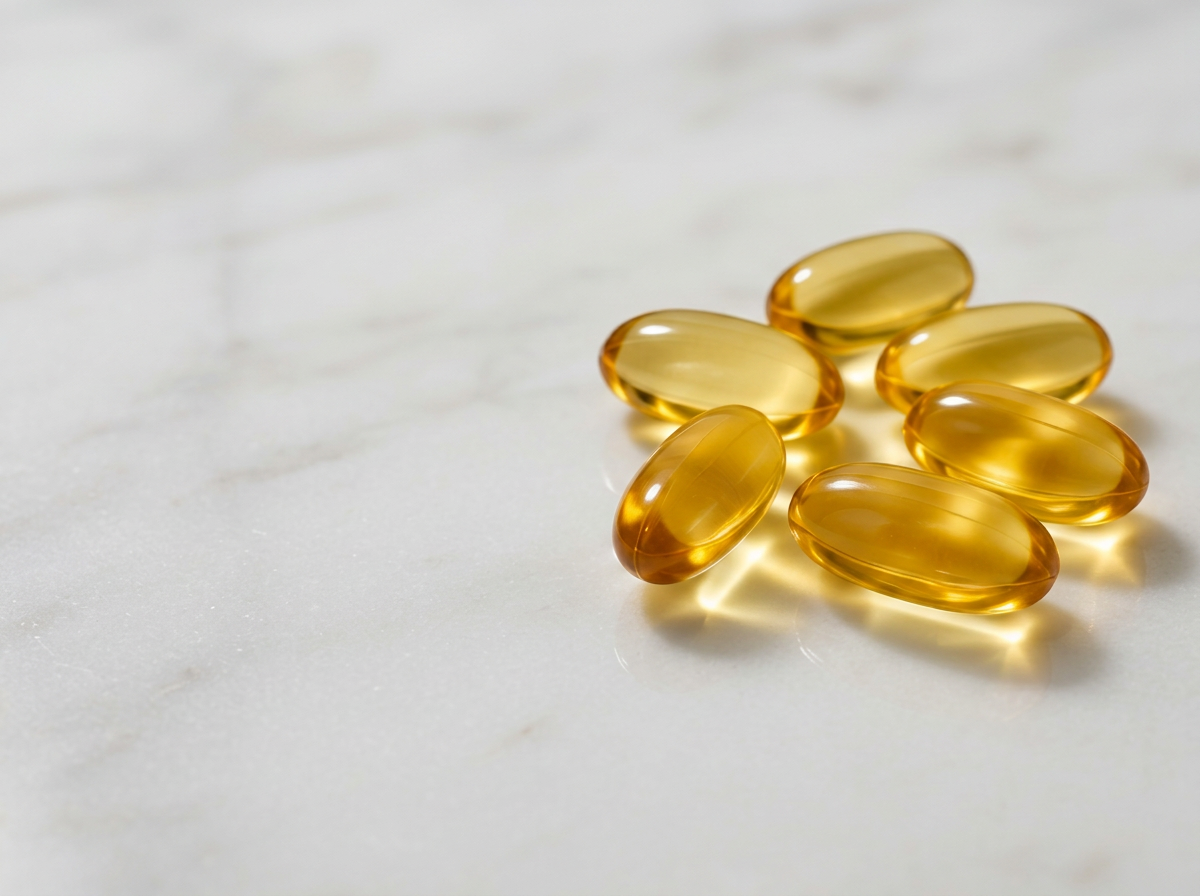
A softgel is a one-piece, hermetically sealed shell, usually made from gelatin plus a plasticizer such as glycerin, wrapped around a liquid or semi-solid fill. The fill is typically an oil, an oil suspension, or a paste. Plant-based shells made from modified starch and carrageenan exist for vegetarian positioning.
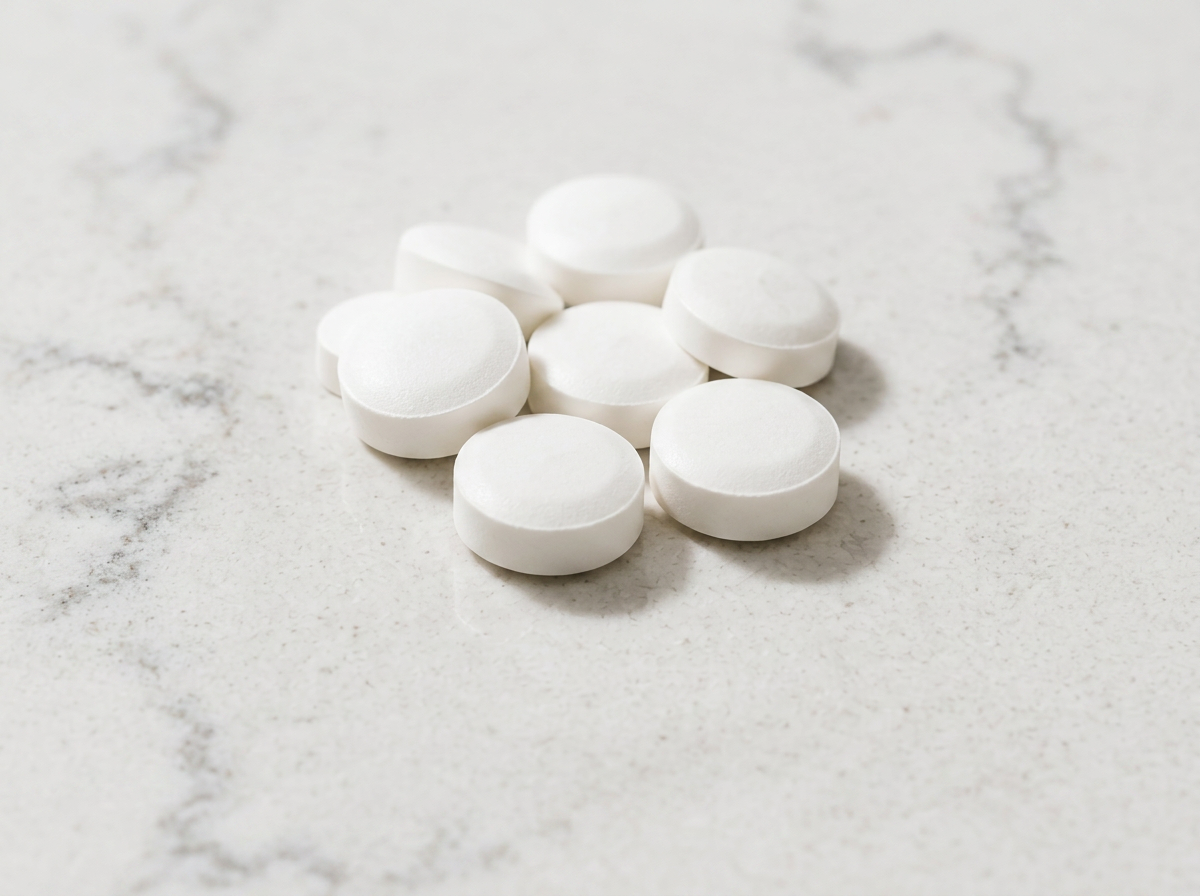
A tablet is a dry powder blend compressed under high pressure into a solid unit. It contains the active ingredients plus excipients that help it flow, bind, and break apart: fillers such as microcrystalline cellulose, binders, disintegrants, and a lubricant like magnesium stearate. Tablets can be uncoated, film-coated, sugar-coated, chewable, or scored for splitting.
That split between liquid fill and dry compression drives nearly every other difference in the comparison.
Ingredient Fit: What Each Format Handles Well
Softgels are the natural home for oils and fat-soluble ingredients. Fish oil, krill oil, flaxseed oil, CoQ10, lutein, and vitamins A, D, E, and K are all commonly delivered in an oil carrier, and a sealed shell keeps that oil protected from air. Softgels also mask strong odors and tastes, which matters for marine oils and some botanicals.
Tablets excel with dry, stable, high-mass ingredients. Calcium, magnesium, multivitamin-mineral blends, and many botanical extracts compress well and would need several softgels to reach the same dose. Tablets also allow multiple incompatible ingredients to sit in one unit, and some formulas use bilayer or coated designs to separate them.
- Choose softgels for oils, oil-soluble vitamins, carotenoids, and ingredients with a strong smell or taste.
- Choose tablets for minerals, high-dose multis, dense botanical extracts, and formulas that need the most milligrams per unit.
- Watch water-heavy or highly acidic or alkaline ingredients in softgels, since they can weaken the gelatin shell.
- Watch oils and sticky extracts in tablets, since they compress poorly without special handling.
Absorption Claims: What Buyers Can and Cannot Say
Shoppers often assume softgels absorb better. The honest answer is that it depends on the ingredient and the formula, not the format alone. Fat-soluble nutrients are generally better absorbed alongside fat, and a softgel delivers them already dissolved in an oil carrier. A well-made tablet taken with a meal can also perform well. Disintegration and dissolution are what matter for a tablet, and USP publishes test methods for dietary supplements that quality-minded manufacturers use to confirm a tablet actually breaks down.
For retail and e-commerce copy, avoid comparative absorption claims unless the brand holds substantiation for that specific product. The FTC expects competent and reliable scientific evidence for any objective claim, and "better absorbed than tablets" is exactly the kind of statement that draws scrutiny.
Format affects how a nutrient is delivered, but the formula and the evidence behind it decide what you can claim.
Softgel vs Tablet Vitamin D: A Common Example
The softgel vs tablet vitamin D decision is a good illustration. Vitamin D3 is fat-soluble and a very small mass per serving, so it fits comfortably in a small softgel suspended in an oil such as olive, sunflower, or MCT oil. That makes softgels the dominant format for standalone D3 in many sets.
Vitamin D tablets also sell well, especially in combination products like calcium with D3, where the calcium mass requires a tablet anyway. Buyers usually carry both: softgels for single-nutrient D3 in multiple potencies, and tablets where D is paired with minerals. Either way, confirm the label lists the form (D3 as cholecalciferol, for example) and the amount in both micrograms and IU as current FDA labeling rules require.
Dose Size and Pill Burden
Tablets usually win on milligrams per unit. A large tablet can carry well over a gram of total material, while softgel fill volume is limited by how big a shell a person will comfortably swallow. That is why a mineral-heavy formula that fits in two tablets might need four or more softgels.
Softgels, on the other hand, often feel easier to swallow at the same size because the shell is smooth and slick. For oil-based products, pill count per serving is more about the oil dose than the format choice, which is why high-potency fish oil concentrates are popular.
Softgel vs Caplet
A caplet is simply a tablet pressed in an elongated, capsule-like shape, often film-coated to make swallowing easier. In a softgel vs caplet comparison, the caplet carries the same dry-blend limitations as any tablet but reduces the "hard to swallow" objection for larger doses. Caplets are a common choice for multivitamins, calcium, and joint formulas.
Stability, Shelf Life, and Cost
| Factor | Softgel | Tablet |
|---|---|---|
| Best-fit ingredients | Oils, fat-soluble vitamins, carotenoids | Minerals, dry extracts, multis |
| Material per unit | Limited by fill volume | Highest of common formats |
| Taste and odor masking | Strong, sealed shell | Good with coating |
| Heat and humidity sensitivity | Shells can soften or stick together | Generally robust once coated |
| Relative unit cost | Moderate to higher | Usually lowest |
| Vegetarian options | Available, fewer choices | Widely available |
Softgels protect oils from oxygen well, but the shell itself is sensitive to heat and humidity, so warehouse and in-transit conditions matter. Tablets are generally the most stable and economical format, which is why value multis and minerals lean on them. The tradeoff is formulation work: tablets need excipients, compression testing, and sometimes coatings, which is why tablets are typically quoted per formula rather than off a price sheet.
For more on how formats stack up across the whole set, see our supplement format comparison guide.
How to Decide for Your Set
- Start with the ingredient. If it is an oil or fat-soluble nutrient, softgels are the default.
- Check the dose. If the formula needs a lot of mass, tablets or caplets keep the serving count reasonable.
- Look at your channel. Pharmacy and grocery vitamin sets carry both; e-commerce shoppers often filter for vegetarian or easy-to-swallow.
- Compare landed cost per serving, not per bottle, including freight and any storage requirements.
- Confirm documentation: Supplement Facts panel, lot coding, and a lot-specific COA.
RV Pharma distributes stock softgels and tablets to retailers, pharmacies, distributors, and e-commerce sellers, with cGMP-compliant, third-party-tested product and lot and expiration coding on every bottle and case. Softgel Supplement Facts panels are published on product pages, and tablet formulas are quoted per formula, so buyers can compare both formats side by side before placing an order.
Frequently asked questions
Is a softgel better than a tablet?
Neither is better across the board. Softgels suit oils and fat-soluble nutrients like fish oil and vitamin D3 and mask taste well. Tablets hold more material per unit, are usually cheaper per serving, and work best for minerals and multis. The right choice depends on the ingredient, dose, and channel.
Do softgels absorb faster than tablets?
Softgels deliver fat-soluble nutrients already dissolved in oil, which can help, but absorption depends on the specific ingredient and formula. A tablet that meets disintegration standards and is taken with food can also perform well. Brands should not claim superior absorption without product-specific substantiation.
What is the difference between a softgel and a caplet?
A caplet is a compressed tablet shaped like an elongated capsule, usually film-coated for easier swallowing. A softgel is a sealed gelatin or plant-based shell holding a liquid fill. Caplets carry dry blends and larger doses; softgels carry oils and oil-soluble ingredients.
Which is cheaper to stock, softgels or tablets?
Tablets are typically the lowest-cost format per serving because compression is fast and materials are inexpensive. Softgels usually cost more per unit due to shell materials and slower drying. Compare landed cost per serving, including freight and storage, rather than bottle price alone.
Sourcing a program in this category? A distribution specialist can walk through formats, MOQs, and lead times with you.
Request Wholesale Pricing