Softgel vs Hard Gel Capsule: How They Differ and When to Use Each
Softgels and hard gel capsules both use gelatin, but they are built differently and carry different fills. Here is how to tell them apart and when each one makes sense for a product line.
Buyers often use "gel cap" loosely, which is how the softgel vs hard gel confusion starts. Both formats can use gelatin, both are swallowed whole, and both sit in the same vitamin aisle. Underneath that, they are very different products: one is a sealed shell around a liquid, and the other is a two-piece shell that usually holds a dry powder.
Knowing the difference helps when you are reading spec sheets, comparing quotes, answering shopper questions, or deciding which version of a nutrient to carry. This guide covers construction, fills, stability, cost, and where each format fits in a set.
What a Softgel Is
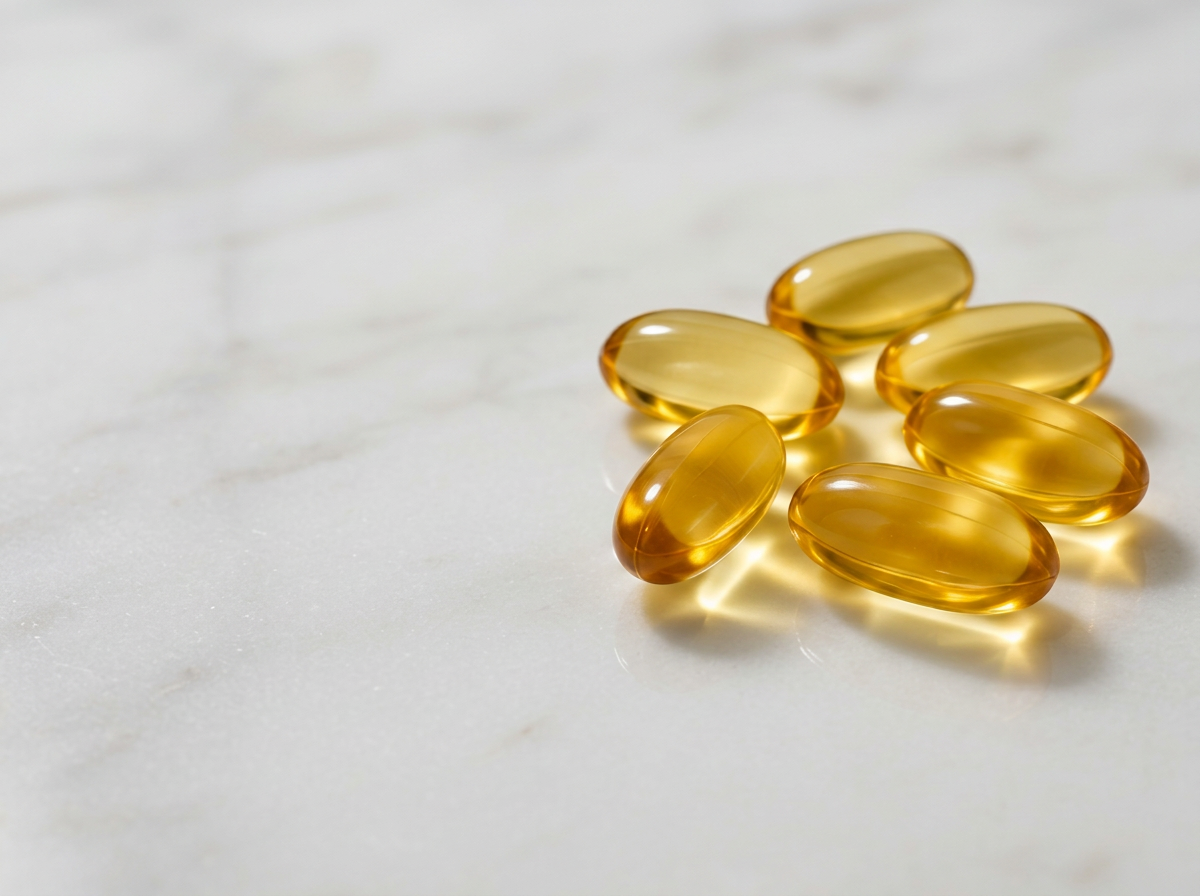
A softgel is a single-piece shell formed and sealed around its fill in one continuous step. The shell is typically gelatin, glycerin or sorbitol as a plasticizer, and water, which gives it that flexible, slightly rubbery feel. Plant-based softgels replace gelatin with ingredients such as modified starch and carrageenan.
Soft gels are made on a rotary die machine: two ribbons of warm gel pass between rotating dies while the fill is injected, and the dies cut and seal the capsule at the same time. Because the seal forms during encapsulation, the finished unit is closed off from air. That makes softgel capsules the go-to format for oils, oil suspensions, and fat-soluble vitamins.
What a Hard Gel Capsule Is
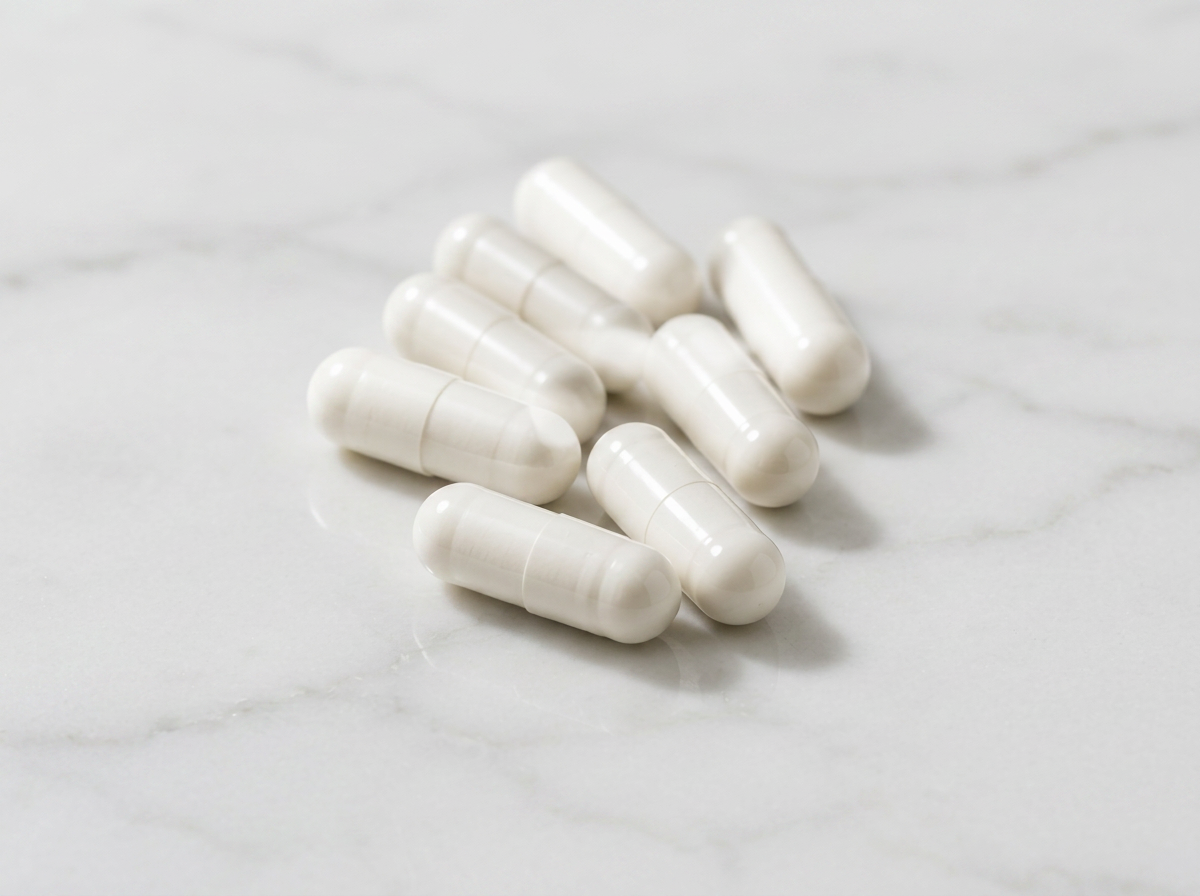
A hard capsule, sometimes called a hard gel or two-piece capsule, is made of a body and a cap that are manufactured empty and then filled later. Shells are commonly gelatin or HPMC (hydroxypropyl methylcellulose), with pullulan as another plant-based option. The fill is usually a powder blend, granules, or small beads, and the cap locks onto the body with a friction fit.
Hard capsules come in standardized sizes, from the large 000 down to the small size 5, which makes it straightforward to estimate how much of a blend fits in each unit. They are the most flexible format for dry botanical powders, probiotics, and multi-ingredient blends that would be hard to compress into a tablet.
Softgel vs Hard Gel: Side-by-Side Comparison
| Factor | Softgel | Hard gel capsule |
|---|---|---|
| Construction | One piece, sealed during filling | Two pieces, filled and closed after |
| Typical fill | Oils, suspensions, pastes | Powders, granules, beads |
| Shell materials | Gelatin or starch-carrageenan | Gelatin, HPMC, or pullulan |
| Oxygen protection | High, hermetic seal | Moderate, depends on shell and packaging |
| Taste and odor masking | Strong | Good for most powders |
| Tamper evidence | Built in | Can be banded or sealed if needed |
| Heat and humidity sensitivity | Shells can soften or stick | Gelatin can go brittle when very dry |
| Relative cost | Moderate to higher | Lower to moderate |
Cost follows construction. Softgels require gel mass preparation, encapsulation, and a controlled drying period that can take days, and the shell itself is a meaningful share of the unit cost. Hard capsules use shells bought ready-made, and filling machines run quickly once a blend flows well, so per-unit cost is usually lower. The gap narrows for small-dose oils, where a small softgel is efficient, and widens for bulky powders, which may need two or three large capsules per serving.
Labeling is the same for both. Each needs a compliant Supplement Facts panel, and the shell source matters for shoppers who avoid pork or beef products or who look for kosher or halal certification. If the shell is gelatin, the source animal is worth confirming before you write product copy.
When to Choose Softgel Capsules
Softgels make sense when the active ingredient is an oil or dissolves in one. Common examples include fish oil and omega-3 concentrates, vitamin D3, vitamin E, CoQ10, lutein, and many oil-based botanical extracts. The sealed shell protects oils from oxidation and hides fishy or earthy smells that would hurt reviews and repeat purchases.
- Oils and fat-soluble nutrients that need a sealed environment.
- Low-dose actives that benefit from being evenly dispersed in a liquid carrier.
- Products where taste and odor would otherwise draw complaints.
- Shoppers who prefer a smooth, glossy unit that is easy to swallow.
Softgel fills have limits. Water-heavy liquids, strongly acidic or alkaline materials, and certain aldehydes can soften or crosslink the gelatin shell, so formulators test compatibility before committing. For a deeper look at the format itself, see what softgels are and how they are used.
When to Choose Hard Capsules
Hard capsules are the right call for dry ingredients that do not compress well, for blends where a tablet would need too many excipients, and for products where a clean, short ingredient list matters to shoppers. They also allow faster development of new SKUs because empty shells are a stock item and filling equipment is widely available.
- Botanical powders and extracts that are bulky or fluffy.
- Probiotics and other ingredients that do not tolerate the heat and pressure of tableting.
- Vegetarian or vegan positioning using HPMC shells.
- Formulas that may change often, since reformulating a powder blend is simpler than reworking a softgel fill.
Liquid-filled hard capsules do exist. They use a band seal to close the joint between cap and body and are sometimes used for specialty oils in vegetarian shells. They are less common in mainstream retail sets than traditional softgels.
Stability, Storage, and Shipping Considerations
Both formats need sensible storage, but they fail differently. Softgels exposed to heat and humidity can soften, sweat, or clump together in the bottle, so summer shipping and hot warehouses deserve attention. Gelatin hard capsules can become brittle if stored very dry and soft if stored very humid, while HPMC shells hold less moisture and tend to be more tolerant of low humidity.
For either format, check the expiration dating, lot coding on the bottle and case, and whether a desiccant is included. A lot-specific certificate of analysis confirms potency and contaminant testing for the specific batch you receive.
What Buyers Should Ask Before Ordering
- What is the shell made of, and is it gelatin (bovine, porcine, or fish) or plant-based?
- What is the fill, and does it need a sealed format to stay stable?
- How many units per serving are needed to reach the labeled dose?
- What are the recommended storage conditions for shipping and warehousing?
- Is a lot-specific COA available for the batch being shipped?
RV Pharma stocks both softgels and capsules for retailers, pharmacies, distributors, and e-commerce sellers across North America. Product is cGMP compliant and third-party tested, every lot ships with lot and expiration coding, and lot-specific COAs are available on request, so buyers can build a set with the right format for each ingredient.
Frequently asked questions
Is a softgel the same as a gel cap?
Not always. "Gel cap" is used loosely for both softgels and gelatin hard capsules, and sometimes for gelatin-coated tablets. A softgel is a sealed, one-piece shell with a liquid fill. A hard gelatin capsule is a two-piece shell usually filled with powder. Check the spec sheet or Supplement Facts panel to confirm.
Are soft gels better than hard capsules?
Each fits different ingredients. Soft gels are best for oils and fat-soluble nutrients because the sealed shell protects them from air and masks odor. Hard capsules are better for powders, botanicals, and probiotics, and they offer more vegetarian options. The ingredient should drive the choice.
Can softgel capsules be vegetarian?
Yes. Some softgels use plant-based shells made from modified starch and carrageenan instead of gelatin. They are less common and can cost more than gelatin softgels. Buyers should confirm the shell composition on the label or spec sheet before marketing a product as vegetarian or vegan.
Why do softgels stick together in the bottle?
Softgel shells contain glycerin and some moisture, so heat and humidity can soften them and cause sticking. This usually happens during hot shipping or storage in warm, humid spaces. Keeping product in cool, dry conditions and following the supplier's storage guidance helps prevent it.
Sourcing a program in this category? A distribution specialist can walk through formats, MOQs, and lead times with you.
Request Wholesale Pricing