Vegetable Capsules vs Gelatin Capsules: Which Shell Should You Choose
Gelatin and vegetable capsules look alike on the shelf but behave differently in production and storage. Here is how to choose the right shell for your formula, your shoppers, and your channel.
The choice of vegetable capsules vs gelatin shells looks like a labeling detail, but it affects more than the words "vegetarian" or "vegan" on the front panel. Shell material changes how a capsule handles moisture, how it runs on filling equipment, how it holds up in storage, and what it costs. For some formulas the difference is minor. For others, especially moisture-sensitive or hygroscopic blends, it decides whether the product stays stable through its shelf life.
This guide compares the two shell types from a buyer's and brand owner's perspective, so you can match the shell to the formula and the shopper.
What Gelatin Capsules Are Made Of
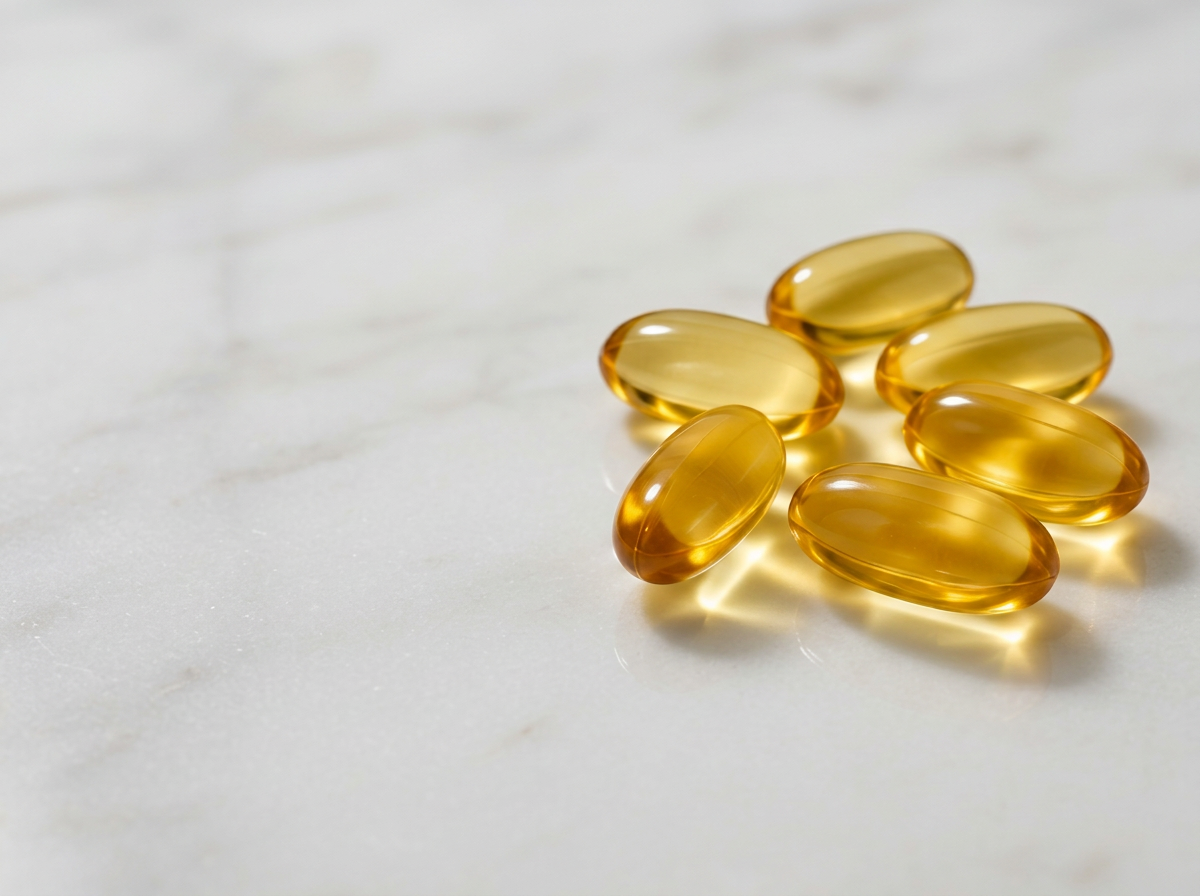
Gelatin capsules are made from gelatin derived from animal collagen, most often bovine or porcine sources, and sometimes fish. Gelatin has been used for hard capsules for well over a century. It forms strong, glossy shells, dissolves readily at body temperature, and runs very reliably on high-speed filling machines.
Gelatin shells hold a relatively high amount of water as part of their structure, commonly in the low-to-mid teens by percentage. That water keeps the shell flexible. If the shell dries out too much it can become brittle and crack; if it absorbs too much it can soften and deform.
Gelatin can also react with certain ingredients. Compounds containing aldehydes, some flavors, and some botanical extracts can cause crosslinking, where the gelatin shell becomes less soluble over time and slower to open. Stability testing on the finished product is how manufacturers catch this before it becomes a shelf problem, and it is one reason some formulas are moved to HPMC even when cost favors gelatin.
What Vegetable Capsules Are Made Of
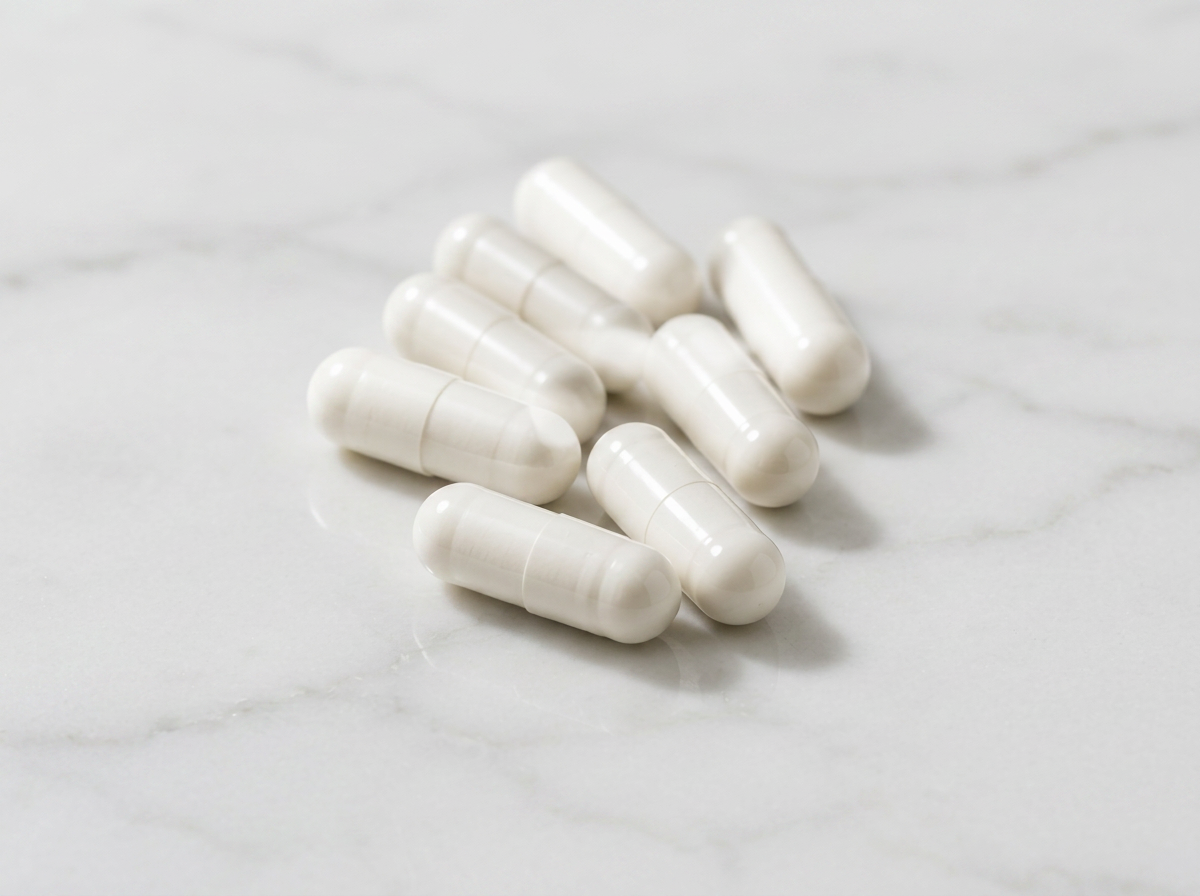
Most vegetable capsules are HPMC capsules, made from hydroxypropyl methylcellulose, a cellulose derivative sourced from plant material such as wood pulp. Pullulan, a polysaccharide produced by fermentation, is another plant-based option used by some shell makers. Both give brands a route to vegetarian and vegan claims, and HPMC shells are widely accepted for kosher and halal certification as well.
HPMC shells contain much less water than gelatin, typically in the mid single digits by percentage, and they stay flexible even when very dry. That makes them a good match for fills that would pull moisture out of a gelatin shell or that are themselves sensitive to moisture.
Vegetable Capsules vs Gelatin: Side-by-Side
| Factor | Gelatin capsules | Vegetable (HPMC) capsules |
|---|---|---|
| Source | Animal collagen (bovine, porcine, fish) | Plant cellulose derivative |
| Dietary positioning | Not vegetarian; kosher and halal depend on source | Vegetarian and vegan; broadly certifiable |
| Shell moisture | Higher | Lower |
| Behavior when dry | Can turn brittle | Stays flexible |
| Hygroscopic fills | Can pull water from the shell | Better suited |
| Oxygen barrier | Better | Lower, packaging matters more |
| Relative cost | Lower | Higher |
| Filling speed | Very consistent at high speed | Good, may need machine adjustments |
Which Formulas Fit Each Shell
Where gelatin is a good choice
- Standard vitamin and mineral blends without special moisture concerns.
- Products where cost per serving is the deciding factor.
- Formulas sensitive to oxygen, since gelatin generally provides a better oxygen barrier.
- Channels where shoppers do not filter for vegetarian or vegan products.
Where HPMC capsules are a good choice
- Vegetarian, vegan, and plant-based brand positioning.
- Hygroscopic ingredients and extracts that attract moisture.
- Probiotics and other moisture-sensitive actives, where a low-water shell helps.
- Products that will ship to or be stored in very dry environments, where gelatin may become brittle.
Some older HPMC shells used a gelling aid that made dissolution more sensitive to conditions in the stomach. Newer HPMC shells made by thermal gelation are designed to perform more consistently. If dissolution is important for a specific formula, ask the supplier which type of shell is used and whether disintegration testing supports it.
Match the shell to the fill first, then to the shopper. A vegetarian claim does not help if the product softens or cracks in the bottle.
Color and appearance are similar across both materials. Both are available clear, opaque white, and in custom colors, although natural colorants in HPMC shells may look slightly different from the same shade in gelatin. If your brand uses a signature capsule color, request samples in the shell type you plan to use before approving artwork and photography.
Cost and Sourcing Considerations
HPMC capsules generally cost more than gelatin capsules, though the difference per serving is often small compared to the cost of the ingredients inside. For premium botanicals and specialty products, the vegetarian shell is often worth it. For value-priced vitamin lines competing on price, gelatin keeps the shelf price down.
Vegetable capsule manufacturers supply shells in the same standard sizes as gelatin, from 000 down to 5, so the size selection and fill calculations are similar. Fill capacity is close between the two materials at the same size, which means you can usually switch shells without changing capsule count. See our capsule sizes chart for typical fill ranges.
Switching shells on an existing product is not always a simple swap. The finished product should still be checked for disintegration and stability in the new shell, and the label, ingredient list, and any marketing claims must be updated to match. Plan the change as a reformulation, with the same documentation you would expect for a new SKU.
Labeling and Marketing Claims
The shell material must be declared in the ingredient list on the label, typically as gelatin or as hypromellose (the ingredient name for HPMC) or "vegetable capsule." Claims such as vegan, kosher, or halal should be supported by documentation from the shell supplier and, for certification marks, by the certifying body. Gelatin source is worth confirming before using any claim or answering shopper questions about it.
Buyers selling online should know that vegetarian and vegan filters are common in marketplace search and on many retailer sites. If your assortment includes both shell types for similar products, make sure listings state the shell clearly so shoppers do not return the wrong one.
How to Decide
- Review the fill: is it hygroscopic, moisture-sensitive, or oxygen-sensitive?
- Review the shopper: does your channel or brand promise vegetarian or vegan products?
- Compare cost per serving, not per thousand shells.
- Confirm storage and shipping conditions for the markets you serve.
- Get documentation for shell source and any certification claims.
RV Pharma supplies capsules to retailers, pharmacies, distributors, and e-commerce sellers across North America, alongside softgels, tablets, gummies, and other formats. Product is cGMP compliant, NSF/ANSI 455-2 certified, and third-party tested, and quotes are itemized against volume tiers so buyers can compare shell options for their program.
Frequently asked questions
Are vegetable capsules better than gelatin capsules?
Neither is better for every product. Vegetable (HPMC) capsules suit vegetarian and vegan positioning, hygroscopic ingredients, and dry storage conditions. Gelatin capsules cost less, run very consistently on filling equipment, and provide a better oxygen barrier. The formula and target shopper should drive the choice.
What are HPMC capsules made of?
HPMC capsules are made from hydroxypropyl methylcellulose, also called hypromellose, a cellulose derivative sourced from plant material such as wood pulp. They are free of animal ingredients, making them suitable for vegetarian and vegan products, and they contain less water than gelatin shells.
Do vegetable capsules dissolve as well as gelatin?
Modern HPMC capsules are designed to dissolve reliably, and many are made by thermal gelation without added gelling agents. Older types could be more sensitive to stomach conditions. If dissolution matters for a formula, ask the supplier which HPMC shell is used and review disintegration testing.
Why do vegetable capsules cost more?
HPMC raw material and the shell manufacturing process generally cost more than gelatin. The difference per serving is usually small compared to ingredient costs, so many premium and plant-based brands accept it, while value lines often stay with gelatin to hold shelf price.
Sourcing a program in this category? A distribution specialist can walk through formats, MOQs, and lead times with you.
Request Wholesale Pricing